How We Turned a Missing Pool Into Multiple Offers in Harbor Village
Pompano Beach
Pompano Beach
At 2651 NE 3rd Street in the Harbor Village neighborhood of Pompano Beach, Florida, the sale required a strategy that addressed the home's lack of a pool while protecting the seller's goal of preserving equity for future investments. The transaction demonstrated how we:
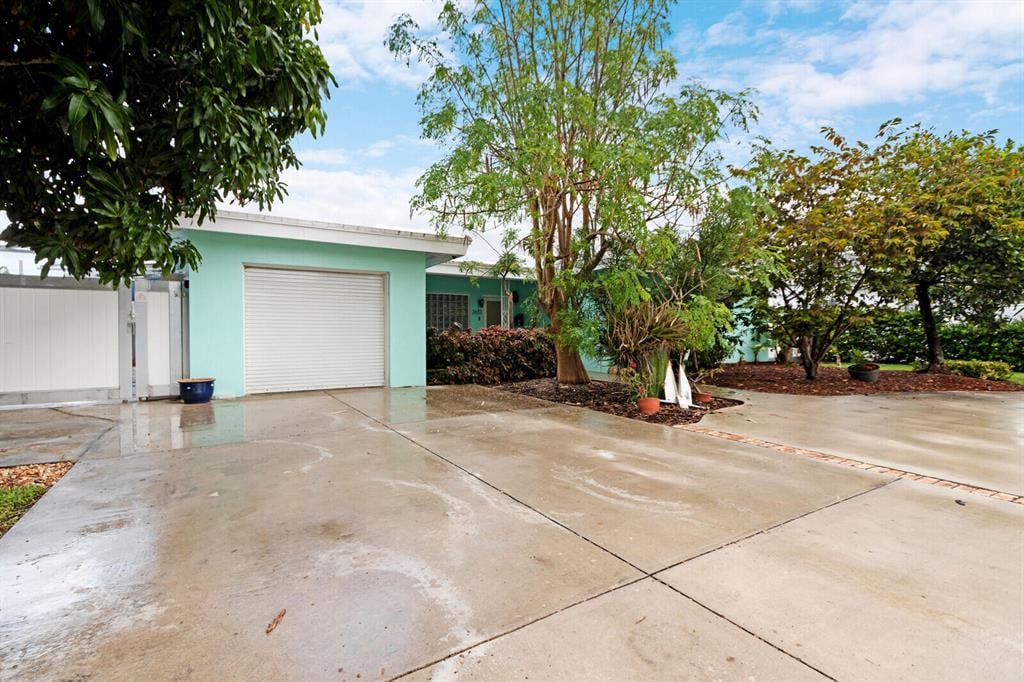
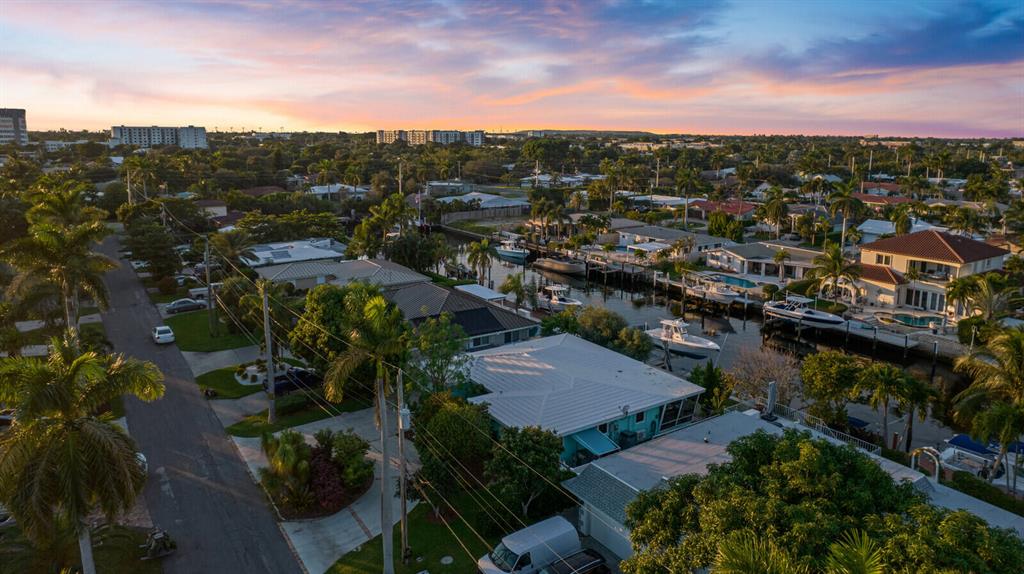
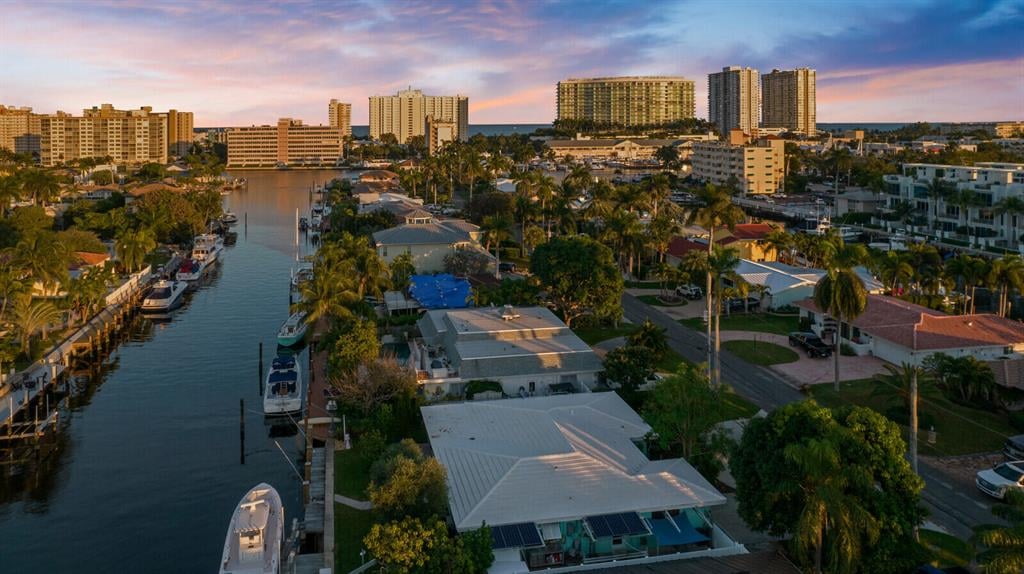
Located in Harbor Village in Pompano Beach, 2651 NE 3rd Street was a two-bedroom waterfront home offering direct ocean access without fixed bridges, 75 feet of waterfront frontage, and a boat lift.
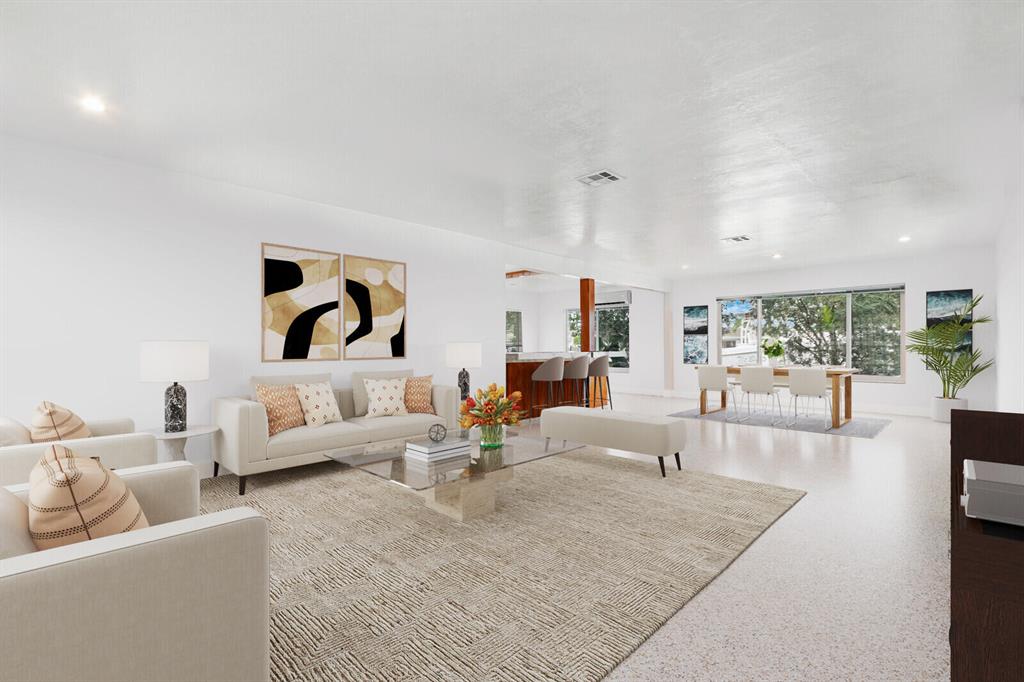
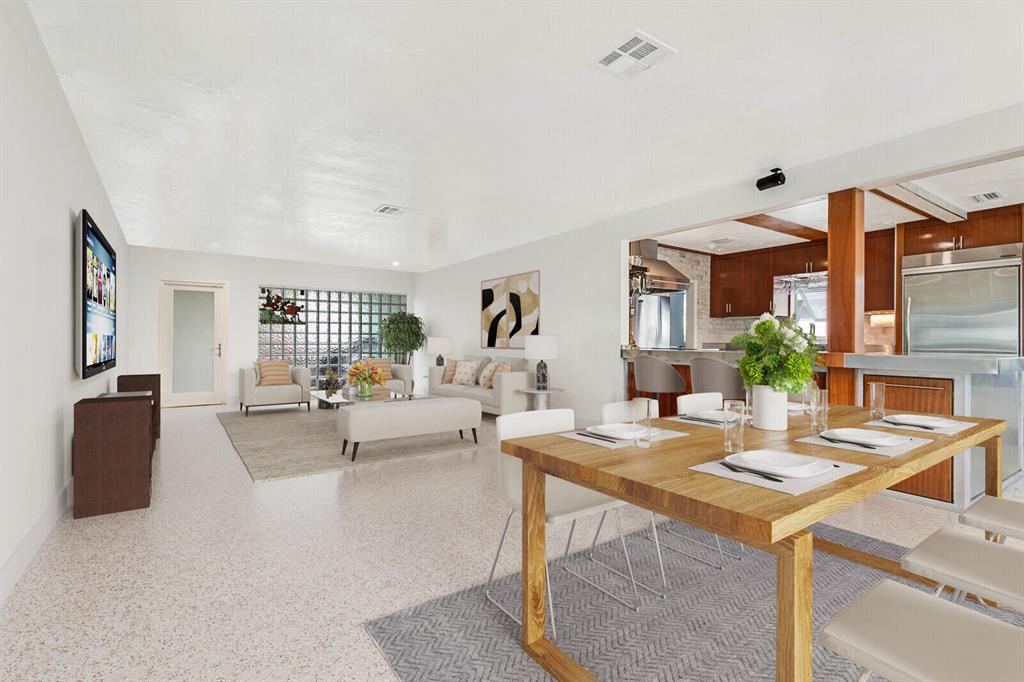
The single-story residence contained 1,762 square feet of living space on an 8,276-square-foot lot. Impact glass, a screened outdoor area, and an attached one-car garage rounded out the property, but its defining advantages were the waterfront setting and location within Harbor Village.
Click any image to view it in detail.
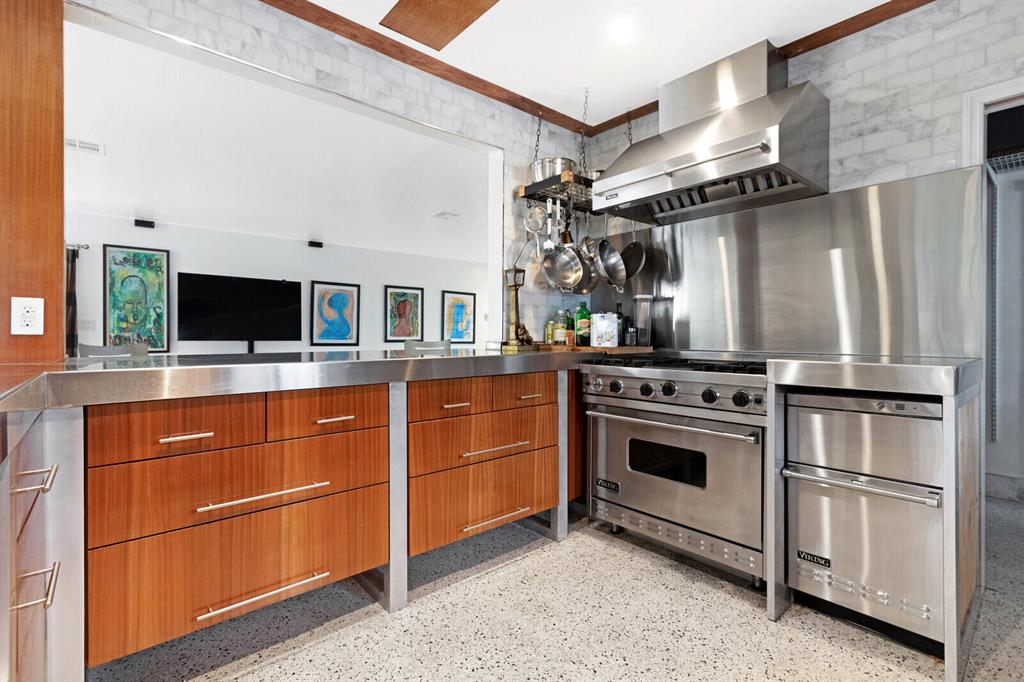
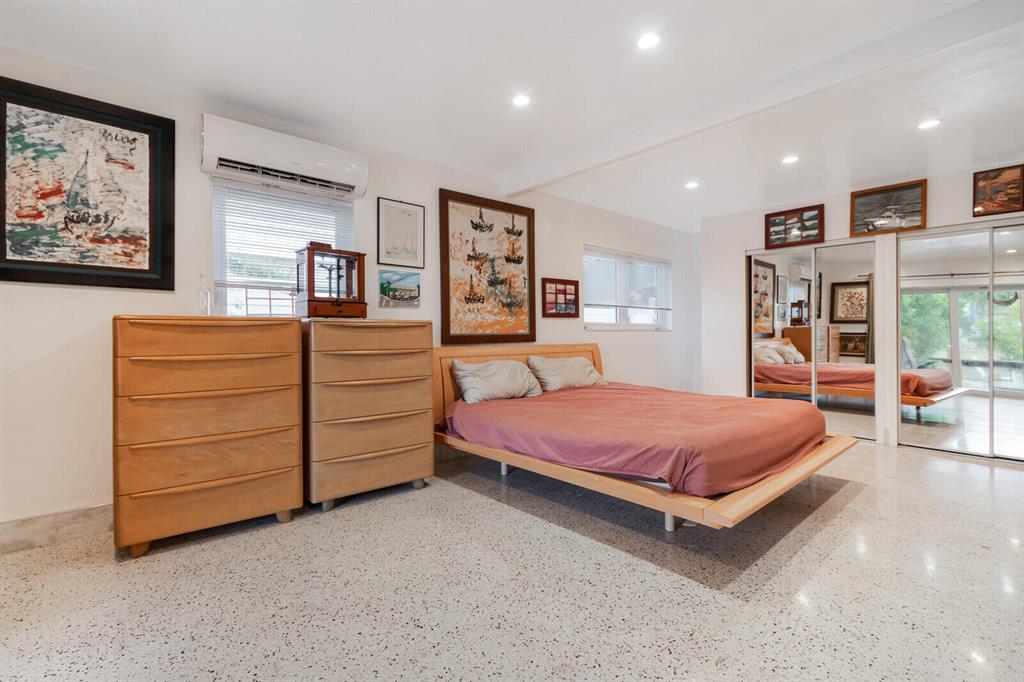
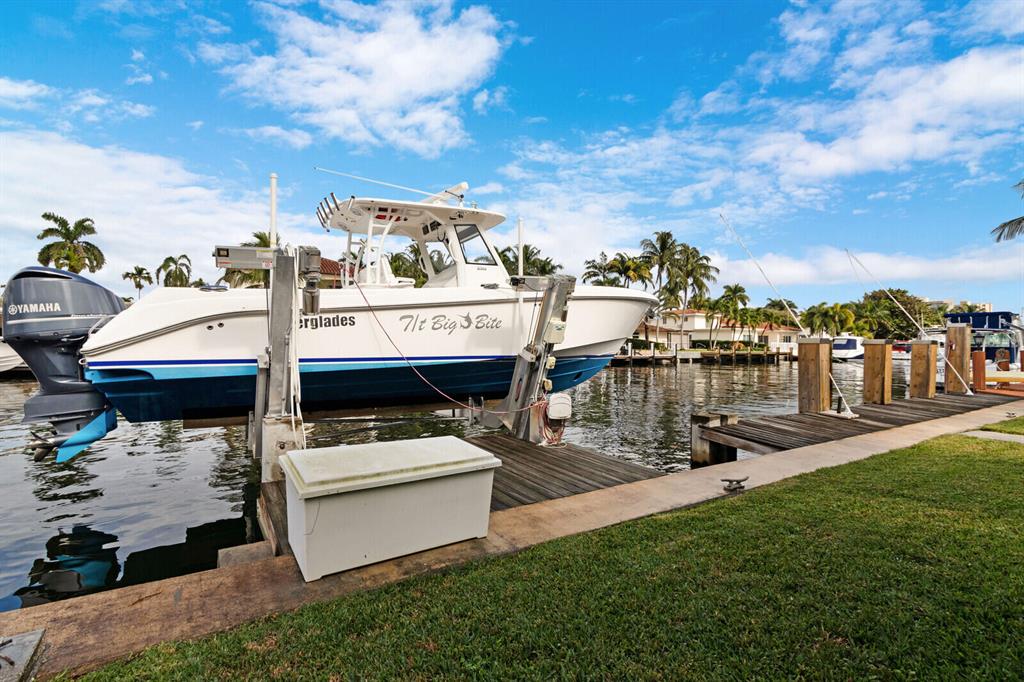
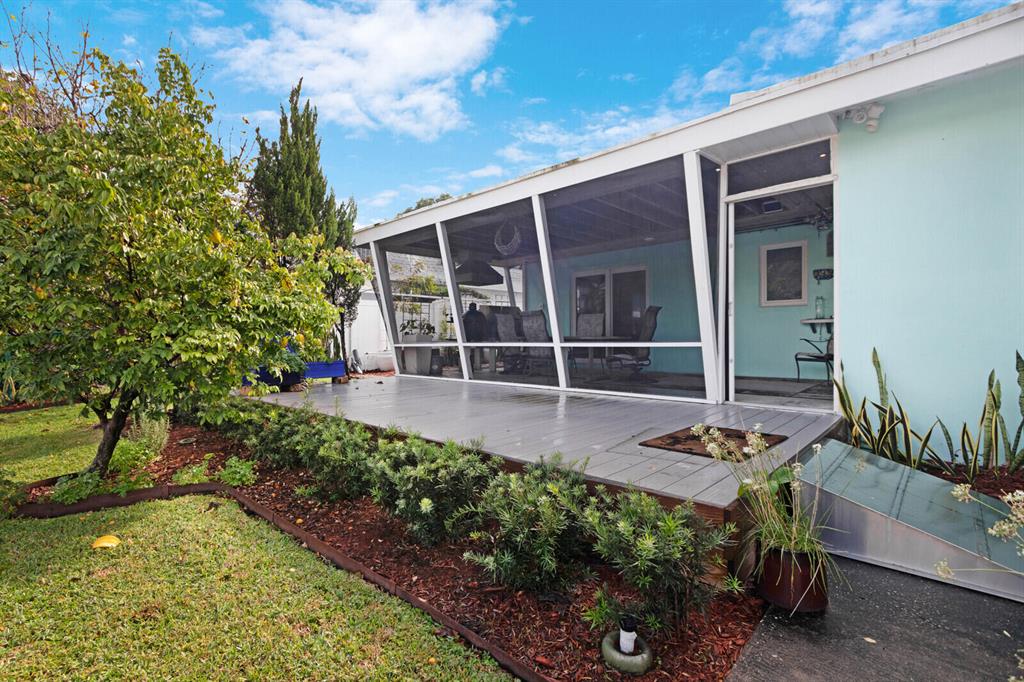
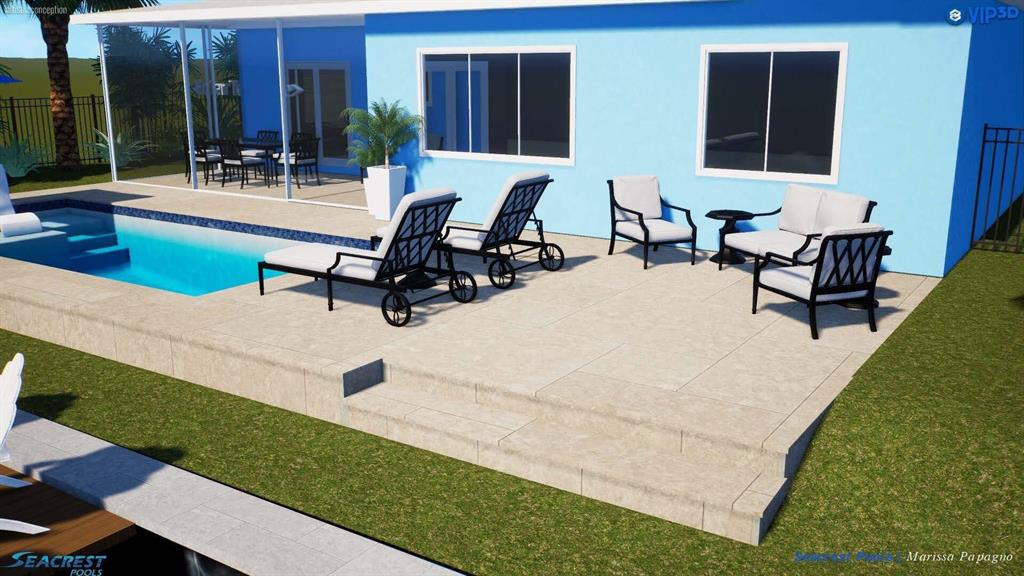
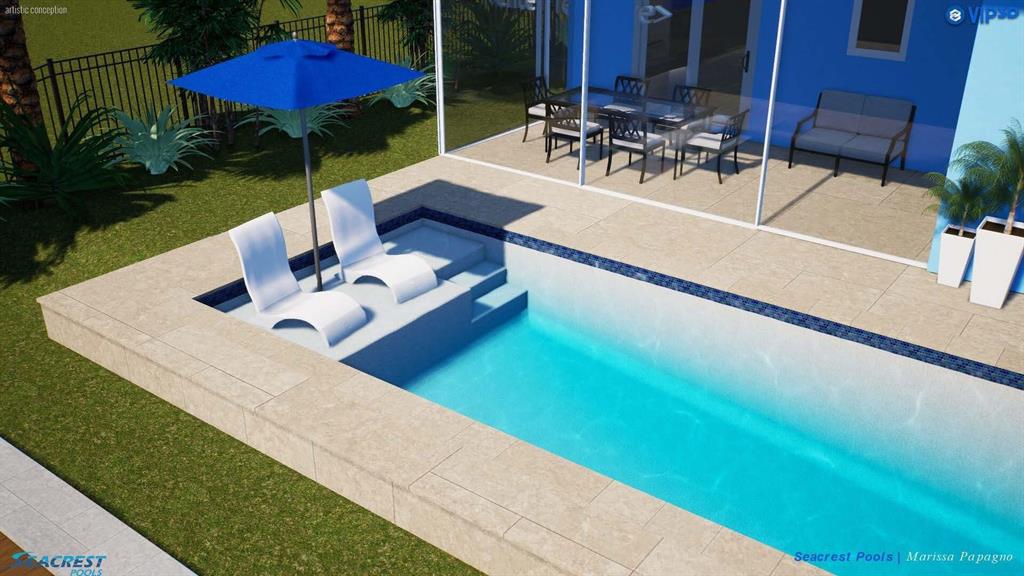
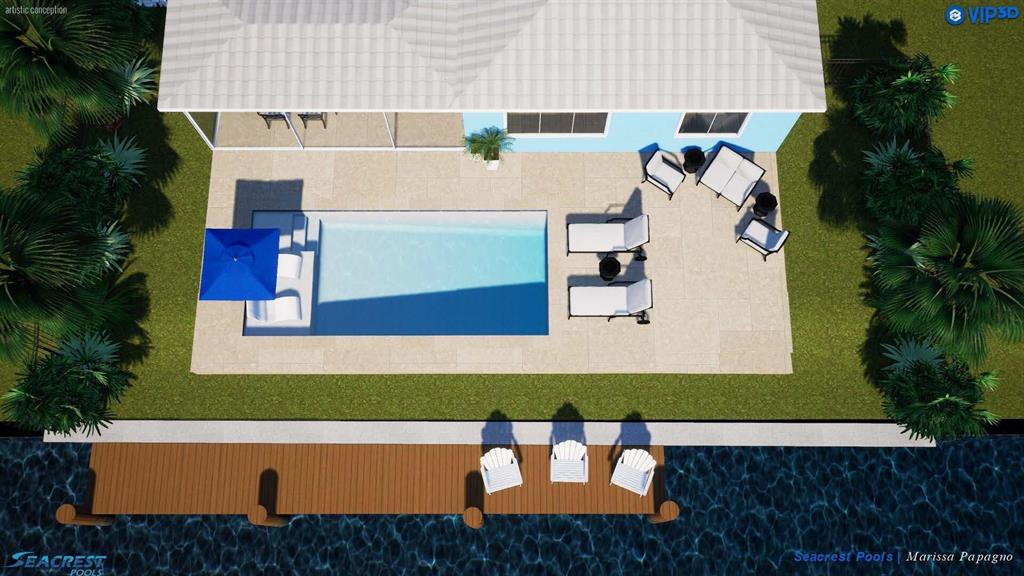
The property also had one feature buyers would immediately notice by its absence.
There was no swimming pool.
In South Florida waterfront real estate, where many buyers expect the backyard to include both water access and a pool, that limitation had the potential to narrow the audience considerably. The strategy therefore had to do more than describe what was already there. It needed to help buyers understand what was possible.
The seller's motivation gave us an important advantage.
He was not facing a deadline.
His objective was to convert the equity in the Harbor Village home into capital he could reinvest into multiple additional properties. Because that larger investment plan depended on the proceeds of this sale, maximizing the financial outcome mattered far more than simply selling quickly.
That shaped the way we approached the transaction.
A seller under time pressure may have to weigh the cost of waiting against the certainty of an immediate offer. Here, the priority was different. We had room to remain focused on value, provided the marketing could continue giving buyers a persuasive reason to consider the property.
That became increasingly important as the market around us began to change.
The property entered the market during a period of growing uncertainty.
Interest rates were rising, the war in Ukraine had begun, and financial news was becoming increasingly negative. The expectation was that the real estate market could soften quickly.
That created pressure even though the seller personally was not in a hurry.
Waiting for the right price only works when the property's positioning continues to justify that price to buyers.
The home's lack of a pool created another obstacle. Many waterfront buyers in South Florida filter their search around specific lifestyle features, and a pool can be high on that list. Without one, the property risked being eliminated before some buyers ever considered its other advantages.
We could not change the fact that the home had no pool.
But we could change the way buyers interpreted that fact.
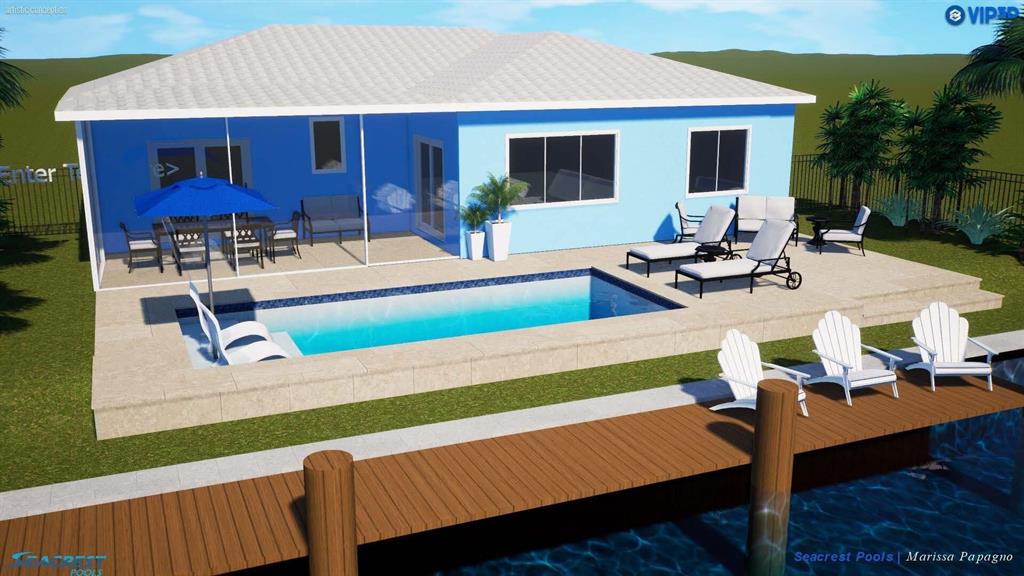
Rather than treating the missing pool as a permanent limitation, we used a pool rendering to show buyers how one could fit within the property.
It was a simple idea with an important purpose.
Buyers often struggle to visualize changes that do not already exist. If someone has decided that a South Florida waterfront home must have a pool, an empty backyard can become an immediate reason to move on to the next listing.
A rendering gives that buyer another way to see the property.
Instead of asking them to imagine an abstract possibility, we could show where a pool could be incorporated and allow them to consider the home through the lens of its potential.
The rendering did not pretend the property already had a pool.
It addressed the objection directly.
That distinction became one of the most important elements of the campaign.
The pool rendering solved one problem, but the rest of the marketing needed to establish why the home deserved consideration in the first place.
Two attributes became central: the amount of interior living space and the location.
The home offered 1,762 square feet under air, which gave us a meaningful point of differentiation among waterfront properties being considered by buyers.
The Harbor Village location added another layer.
Rather than limiting the public description to the physical structure, we emphasized what living on NE 3rd Street provided beyond the property lines.
During showings, buyers responded to the width of the canal, the proximity to restaurants and bars, and the fact that the beach was approximately half a mile away. The property was also roughly two blocks from the nearby dining and entertainment area.
For this home, those weren't secondary details.
They helped explain the value.
A swimming pool can be added.
A waterfront location close to the beach, boating, restaurants, and the established Harbor Village neighborhood cannot be recreated nearly as easily.
So the campaign focused attention accordingly.
The listing description became an important part of that positioning.
We wrote it to communicate both the features of the home and the benefits of living in Harbor Village, with particular emphasis on the property's location on NE 3rd Street.
That meant giving buyers more context than a standard list of specifications.
The waterfront mattered.
So did the canal.
So did being close to the beach.
So did the ability to reach restaurants and entertainment without giving up the privacy of a residential waterfront setting.
Those qualities helped answer the question the missing pool could not: why choose this particular home?
A strong selling strategy is most effective when it makes the strongest attributes of a property easy for the right buyer to recognize.
In this instance, we were not trying to convince buyers that the absence of a pool did not matter.
We were showing them why everything surrounding that one limitation might matter more.
Click any image to view it in detail.
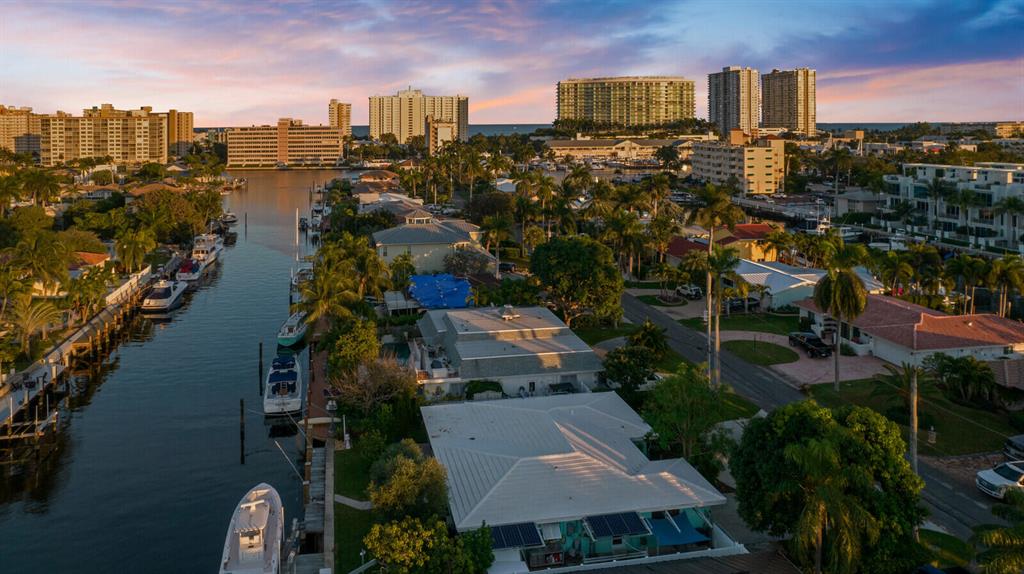
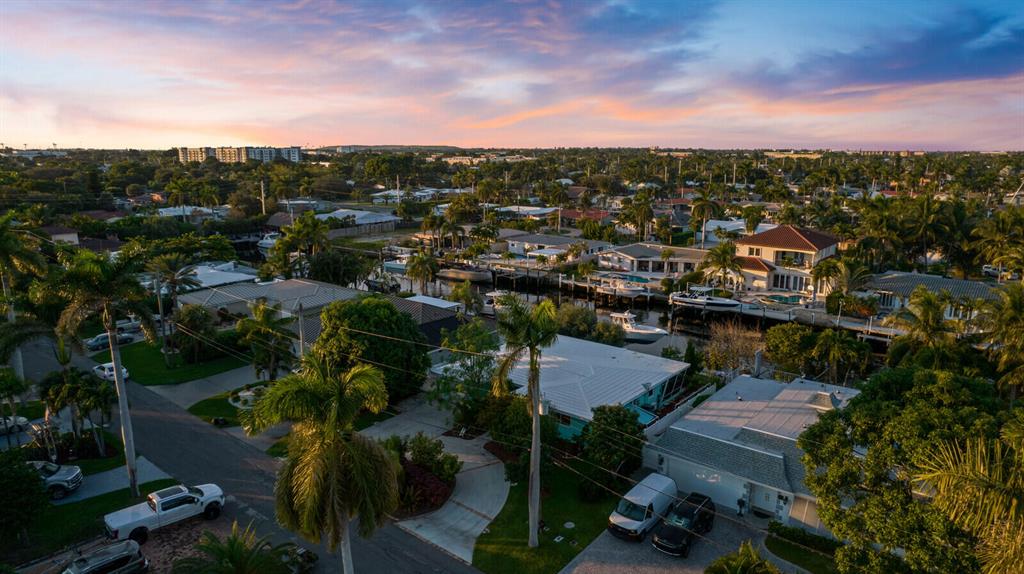
Buyer feedback helped clarify which aspects of the property were resonating with prospective buyers.
The width of the canal attracted attention.
So did the proximity to restaurants, bars, and the beach.
One characteristic proved especially meaningful to the eventual international buyer: the mature landscaping in both the front and back of the property.
That detail is a useful reminder that buyers do not all assign value in the same way.
One buyer may prioritize a pool.
Another may care deeply about boating access.
Someone else may be looking for an established setting with mature landscaping close to the ocean and neighborhood amenities.
The job of the marketing was not to predict one perfect preference.
It was to make enough of the property's genuine strengths visible that the right buyer could recognize the combination that mattered to them.
The property remained on the market for 113 days and ultimately generated three offers.
That timeline reflected the seller's priorities.
He was not looking for the fastest possible transaction at the expense of his financial objective. His original expectation was straightforward: he wanted his price.
The property was initially listed at $1.5 million and ultimately sold for $1.45 million.
The final result became particularly meaningful when considered in the context of the property itself.
This was a two-bedroom home.
It did not have a pool.
It had a one-car garage.
Yet the $1.45 million closing price was viewed as comparable to what homes with pools were achieving in the market at the time.
The marketing did not eliminate the home's disadvantages.
It kept those disadvantages from defining the entire value proposition.
The $1.45 million home sale was not the end of the seller's real estate plan.
It was the first step.
His original reason for selling was to unlock the equity in the Harbor Village home and redeploy that capital into multiple investments.
After the sale, we helped him purchase two additional properties using the proceeds.
That changes how the success of the transaction should be measured.
For this homeowner, maximizing value at 2651 NE 3rd Street was important because the equity had another job waiting for it.
Every dollar preserved in the sale strengthened his ability to pursue the investments that came next.
The transition required managing deadlines across the sale and subsequent purchases, with full-time team members helping coordinate the moving pieces as the seller shifted from one property into two new investments.
By the end of the process, the seller had accomplished both sides of his original goal.
He had converted the equity in the waterfront home into a $1.45 million sale and used the proceeds to acquire two additional properties intended to continue building his investment returns.
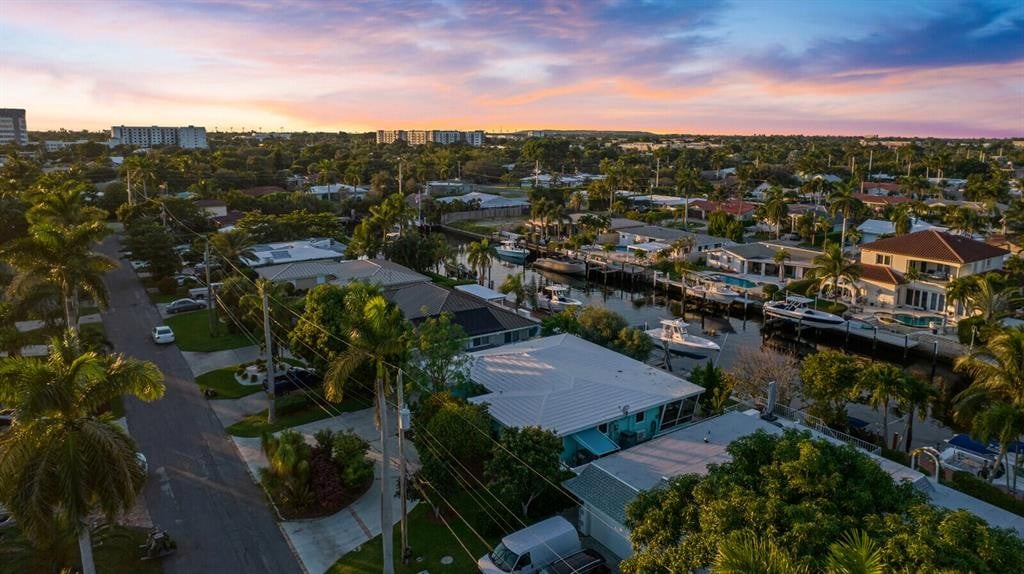
The outcome fulfilled the seller's larger objective: preserve as much equity as possible from the Harbor Village home and use that capital to pursue additional investments. Although the property sold below its original $1.5 million asking price, the $1.45 million result was significant given the home's two-bedroom configuration, lack of a pool, one-car garage, and interior condition.
The three offers also demonstrated that the property could attract meaningful buyer interest despite those limitations. Most importantly, the seller was not forced into a quick sale simply because the market was becoming less certain. The transaction ultimately produced enough equity to support the next step of his investment strategy, with the proceeds used to acquire two additional properties.
The value of the sale was not measured only by what the Harbor Village home achieved. It was measured by what that equity made possible next.
Not every weakness in a property should automatically become a reason to discount it.
Sometimes the more useful question is whether that weakness can be put into the proper context.
At 2651 NE 3rd Street, the absence of a pool was real. Ignoring it would not have helped. But allowing it to dominate the entire conversation would have overlooked the property's other advantages.
The pool rendering gave buyers a way to visualize a solution. The marketing then redirected attention toward characteristics that were already part of the property: waterfront access, canal setting, interior living space, mature landscaping, proximity to the beach, and the lifestyle surrounding Harbor Village.
That approach is especially relevant when comparable properties are not identical.
Two waterfront homes can have similar prices and still appeal to buyers for very different reasons. A pool, square footage, canal characteristics, location, lot configuration, boating access, neighborhood amenities, and future potential can all affect how buyers and the market evaluate a home's value.
Timing matters too.
This sale unfolded as interest rates were rising and confidence in the broader market was weakening. The seller had the flexibility to remain focused on his financial goal rather than reacting to every shift in sentiment. That patience only worked because the property continued to be actively positioned around reasons buyers might choose it.
There is also a broader lesson in what happened after closing.
A home sale should not always be evaluated in isolation. For this seller, the important question was not simply, "How much can I sell this property for?"
It was, "What can I do with the equity once I sell it?"
The $1.45 million Harbor Village sale became the capital for two additional purchases. In that sense, protecting value in the first transaction directly affected the opportunities available in the next two.
The strongest outcome came from a sequence of connected decisions: identifying the property's biggest buyer objection, giving buyers a way to see beyond it, positioning the waterfront and lifestyle advantages clearly, remaining disciplined through a changing market, and then putting the proceeds to work toward the seller's larger investment goal.
That is what ultimately turned one Pompano Beach waterfront home into the starting point for the seller's next two real estate investments.
The absence of a pool was a real buyer concern, so we treated it as something to solve rather than ignore. A pool rendering helped buyers visualize what the backyard could become while the marketing kept attention on the home's waterfront access, canal setting, interior space, and Harbor Village location. That gave buyers more context for evaluating the property as a whole.
The best approach is to acknowledge the limitation and then put it in context. Marketing should show what can be changed, what cannot be replicated, and which existing strengths carry the most value. For a waterfront home, features like boating access, lot position, location, and neighborhood lifestyle may matter more than one missing amenity.
Waiting can make sense when the seller is not under time pressure and the financial goal matters more than speed. The key is whether the property's pricing and marketing continue to support that decision. Patience works best when it is intentional, supported by market feedback, and tied to a clear objective rather than simply waiting without adjusting the strategy.
A weakness does not have to define the entire sale. Homeowners should identify the objection, address it honestly, and then make sure buyers understand the property's harder-to-replicate advantages. The goal is not to hide what a home lacks, but to position it around the value that already exists and the potential buyers can realistically envision. At 2651 NE 3rd Street, that meant addressing the missing pool while emphasizing the waterfront setting, canal width, Harbor Village location, proximity to the beach and restaurants, and mature landscaping.
Considering selling a luxury or waterfront property? Request a home valuation to better understand how your property's features, location, and current market conditions may influence its value.
Want to see what sellers say about working with our team? Read our seller reviews to learn about their experiences.
Want to learn more about the areas we serve? Explore our South Florida neighborhoods to see where our team provides real estate services.
Photography by AccuTour
Davie
Preparing for appraisal while making the home's upgrades easy to see in Davie, Florida.

Pompano Beach
Using future-value positioning and targeted marketing to keep buyers engaged as expectations rose in Pompano Beach.
Fort Lauderdale
Giving buyers a credible path beyond the home's biggest objection in Fort Lauderdale.
Pompano Beach
Reframing exceptional waterfront value beyond traditional comparables in Pompano Beach, Florida.
Fort Lauderdale
Replacing a failed first impression with a complete marketing relaunch in Fort Lauderdale, Florida.
Fort Lauderdale
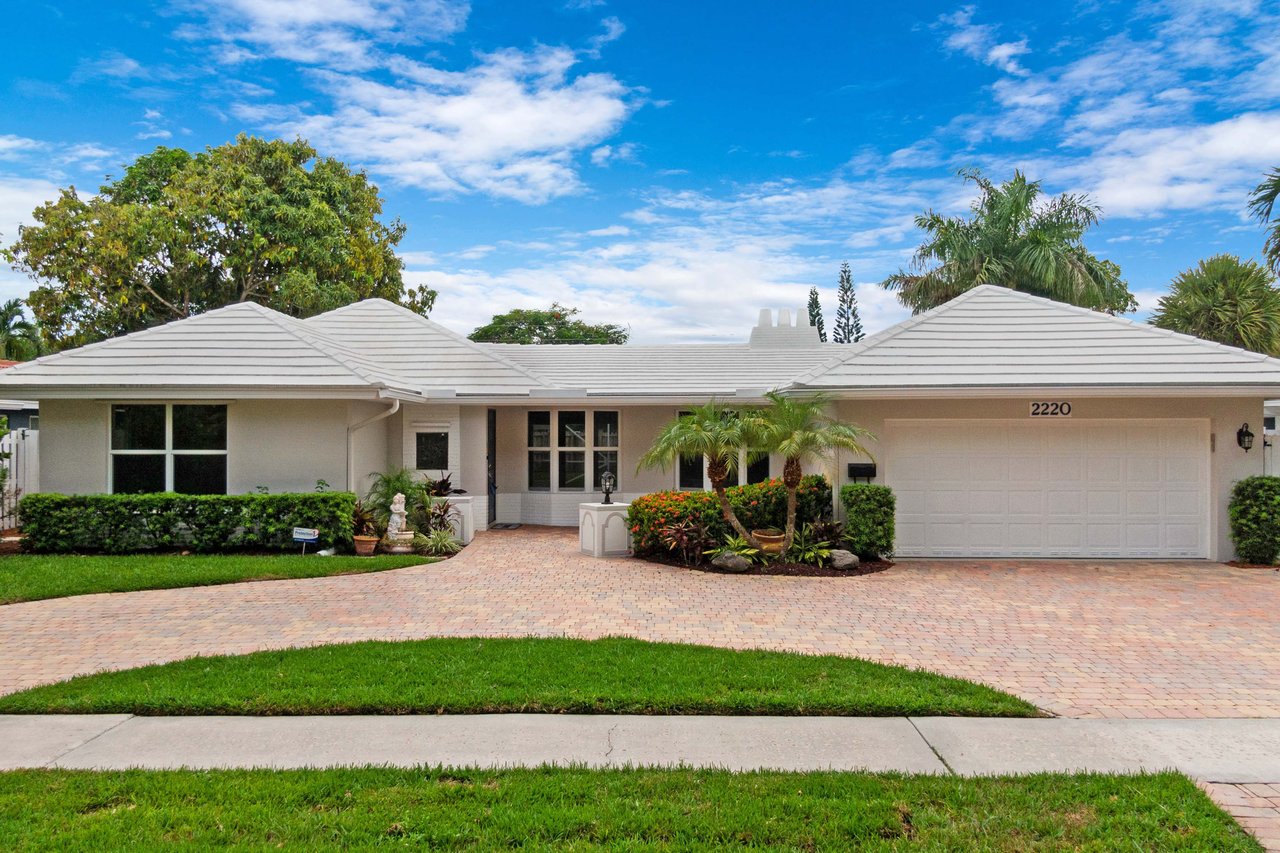
Removing buyer uncertainty through roof documentation, refreshed presentation, and strategic pricing in Fort Lauderdale, Florida.
Every home is unique. Let's build a customized marketing strategy tailored to your goals to maximize your home's value.