How We Turned 249 Days of Low Buyer Interest Into a First-Weekend Showing Surge in Imperial Point
Fort Lauderdale
Fort Lauderdale
At 2231 NE 62nd Street in Fort Lauderdale’s Imperial Point neighborhood, the sale required a fresh strategy to overcome 249 days of limited activity while supporting the seller’s planned move to Arizona. The transaction demonstrated how we:
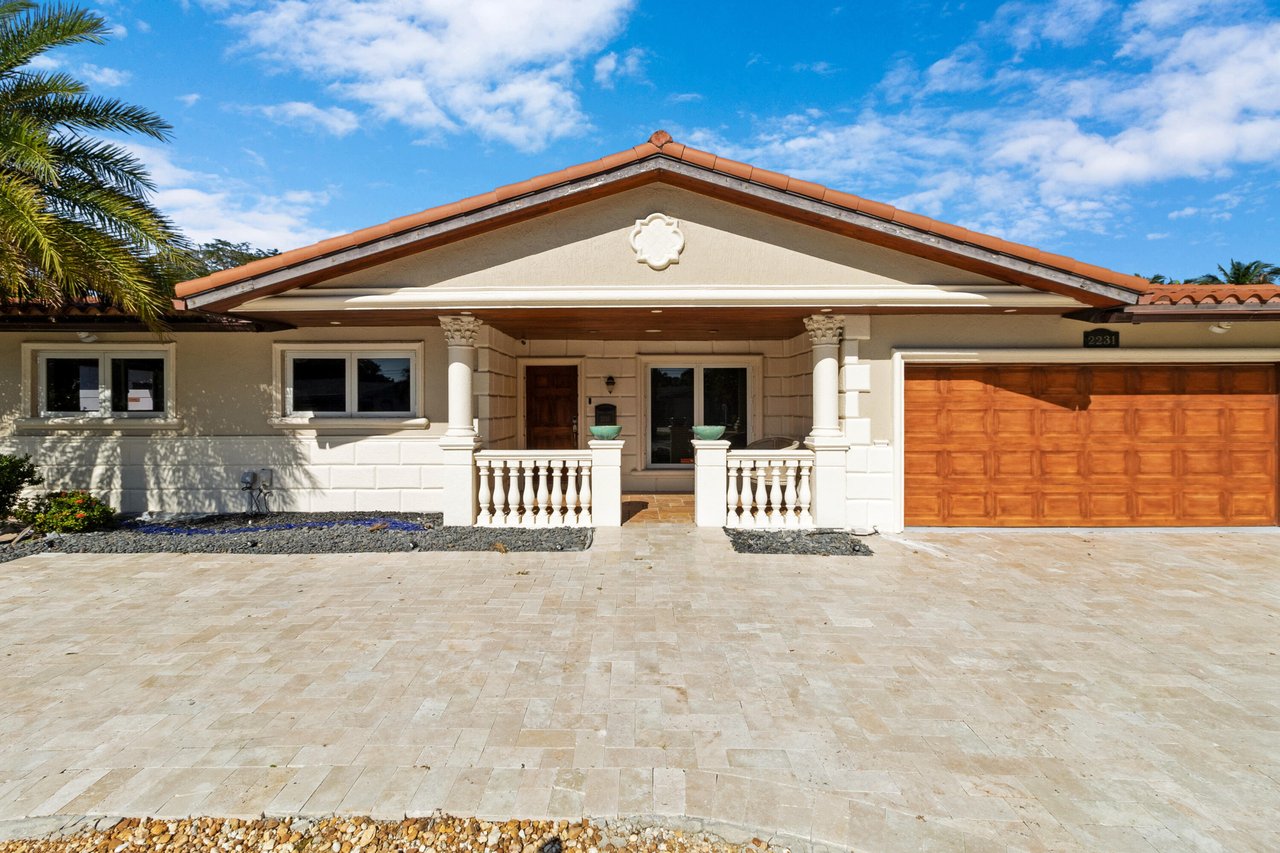
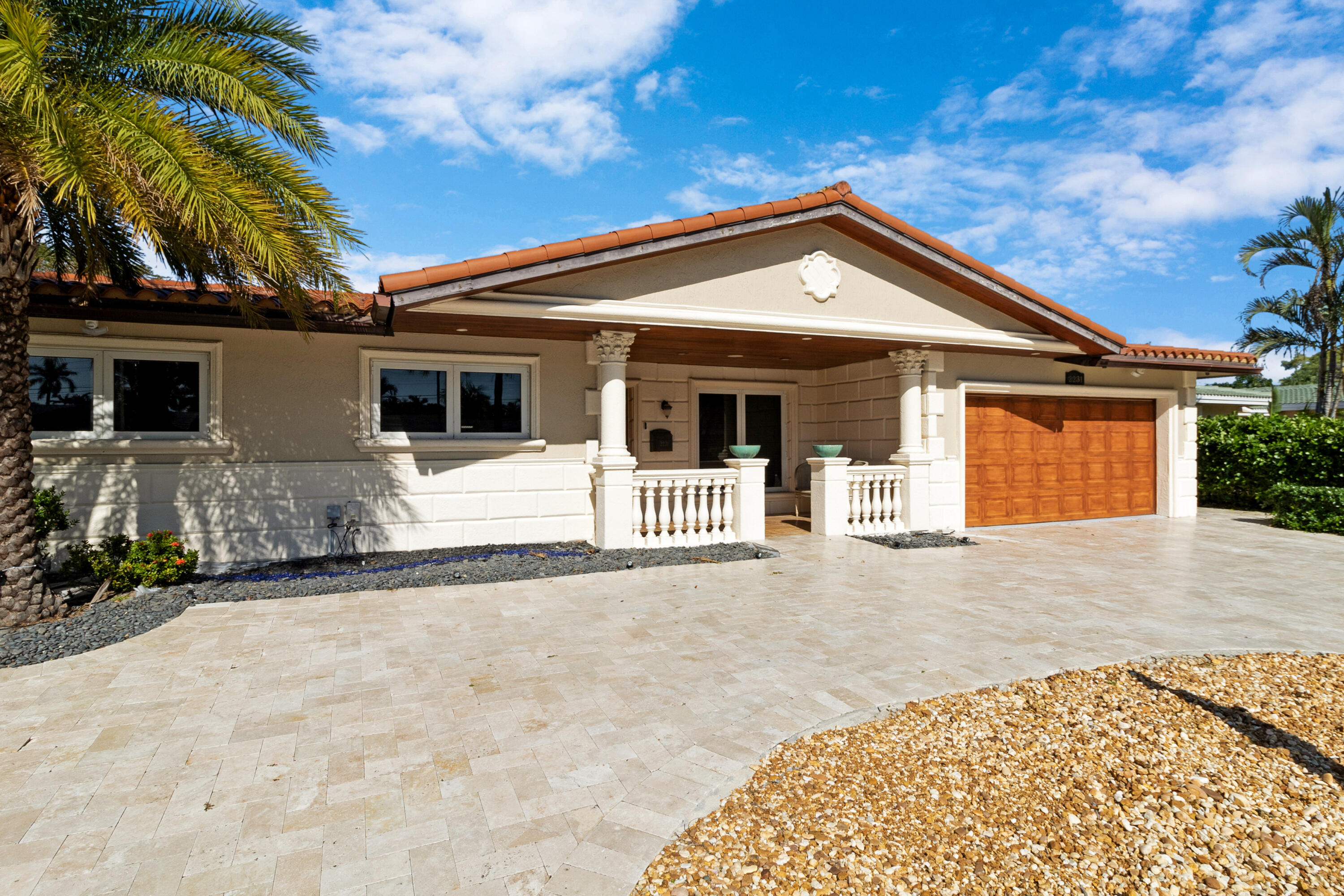
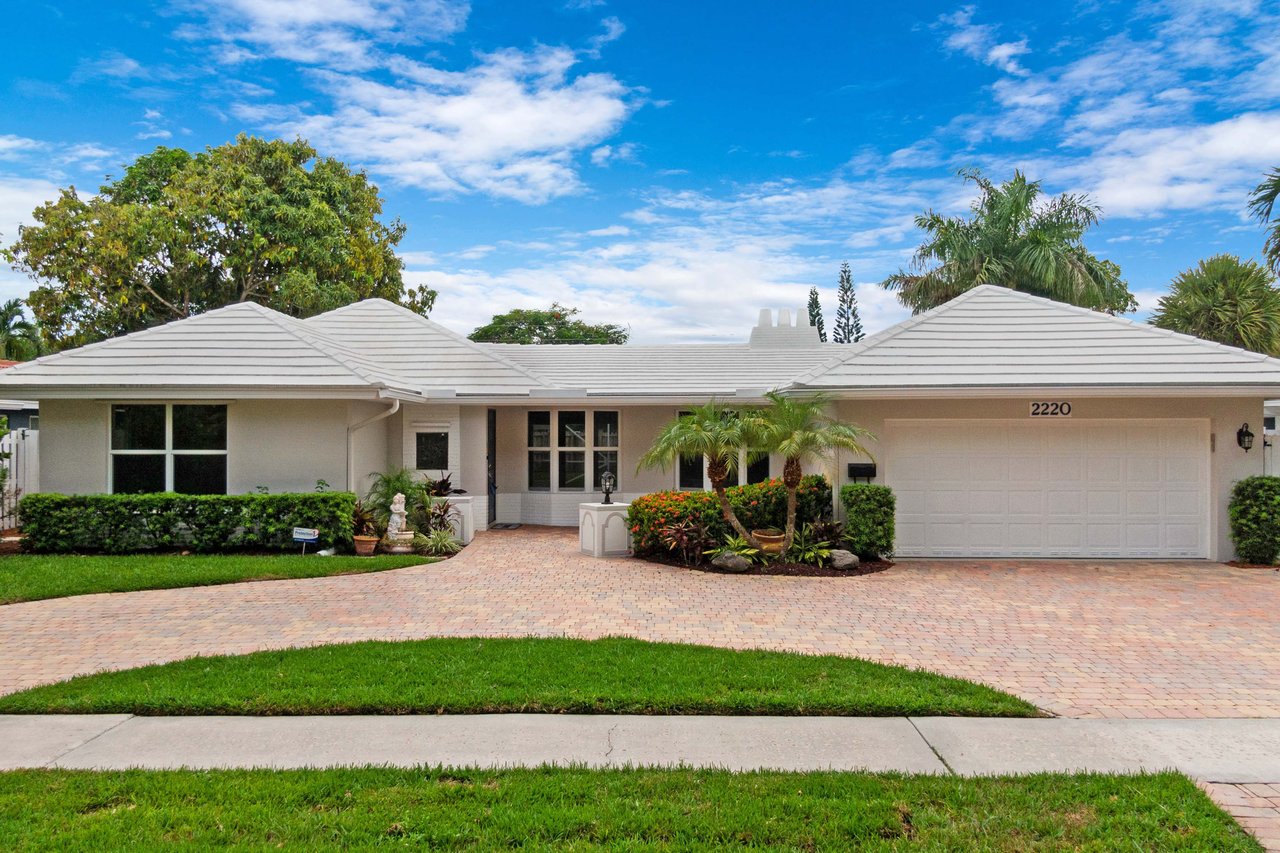
Located in Fort Lauderdale's Imperial Point neighborhood, 2231 NE 62nd Street offered a flexible single-story layout with a separate one-bedroom guest suite and outdoor living centered around a heated pool and spa.
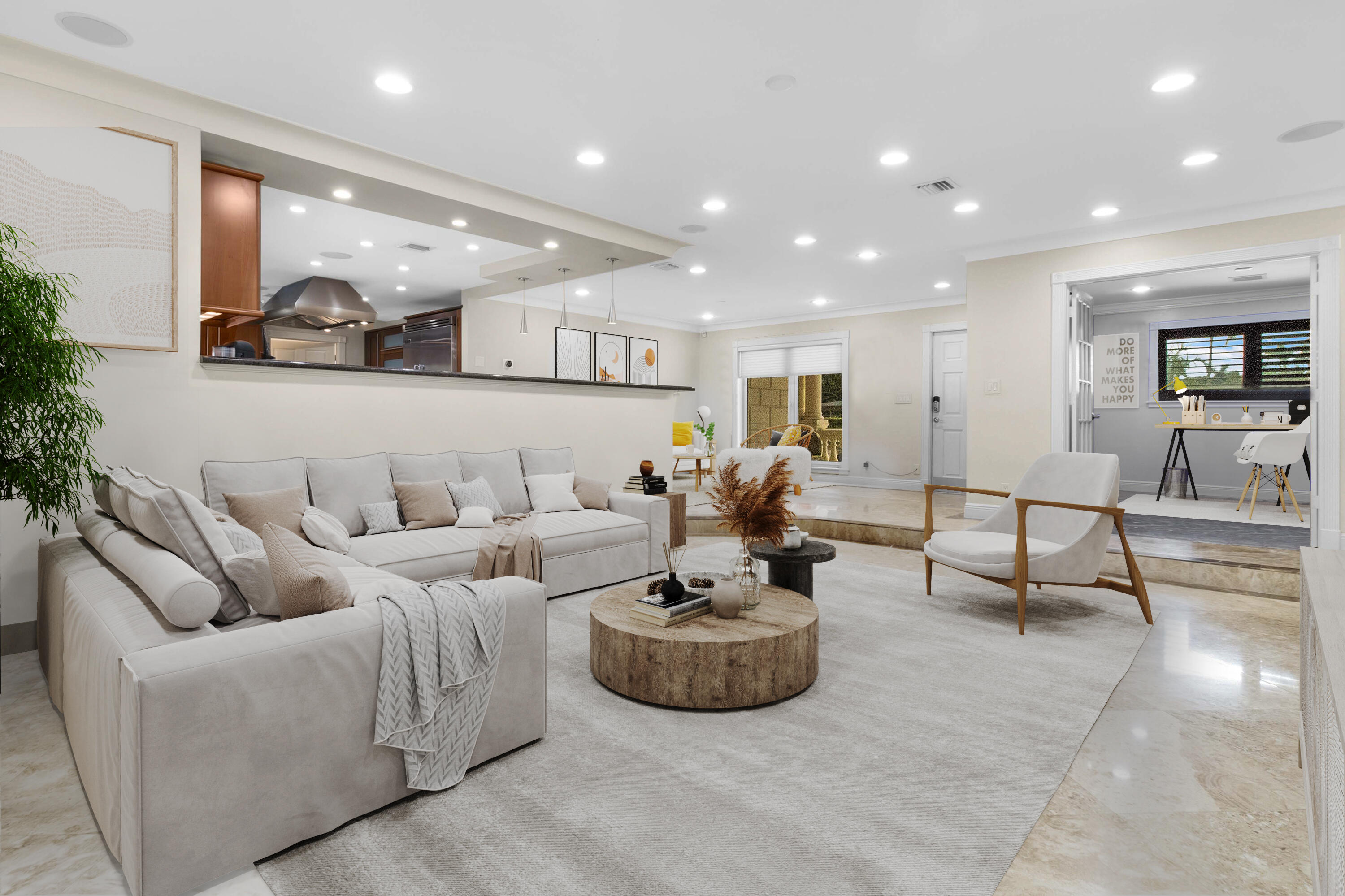
The property combined the privacy of a detached guest space with an open main living area and multiple places to gather outdoors, giving buyers several ways to imagine using the home.
Click any image to view it in detail.
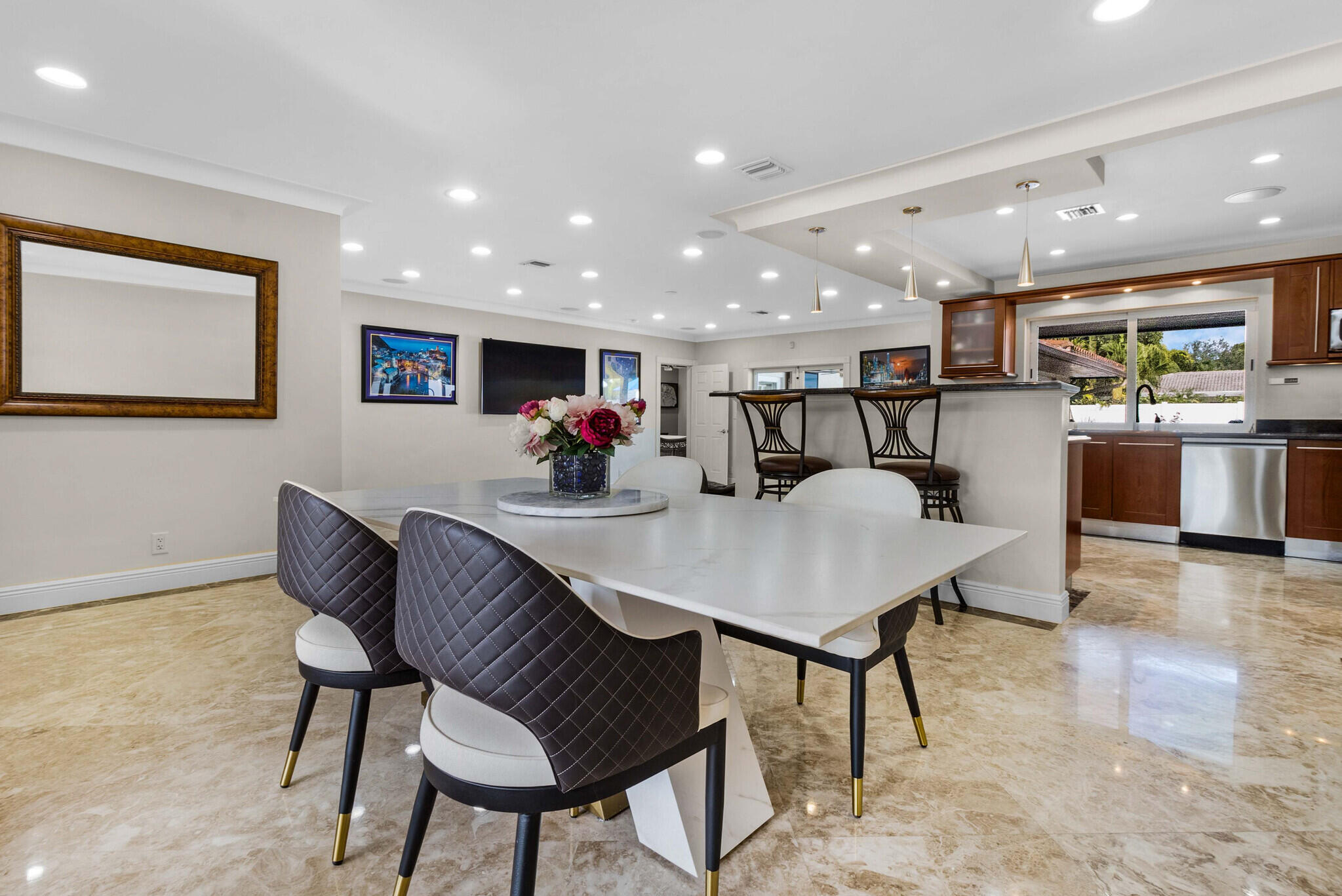
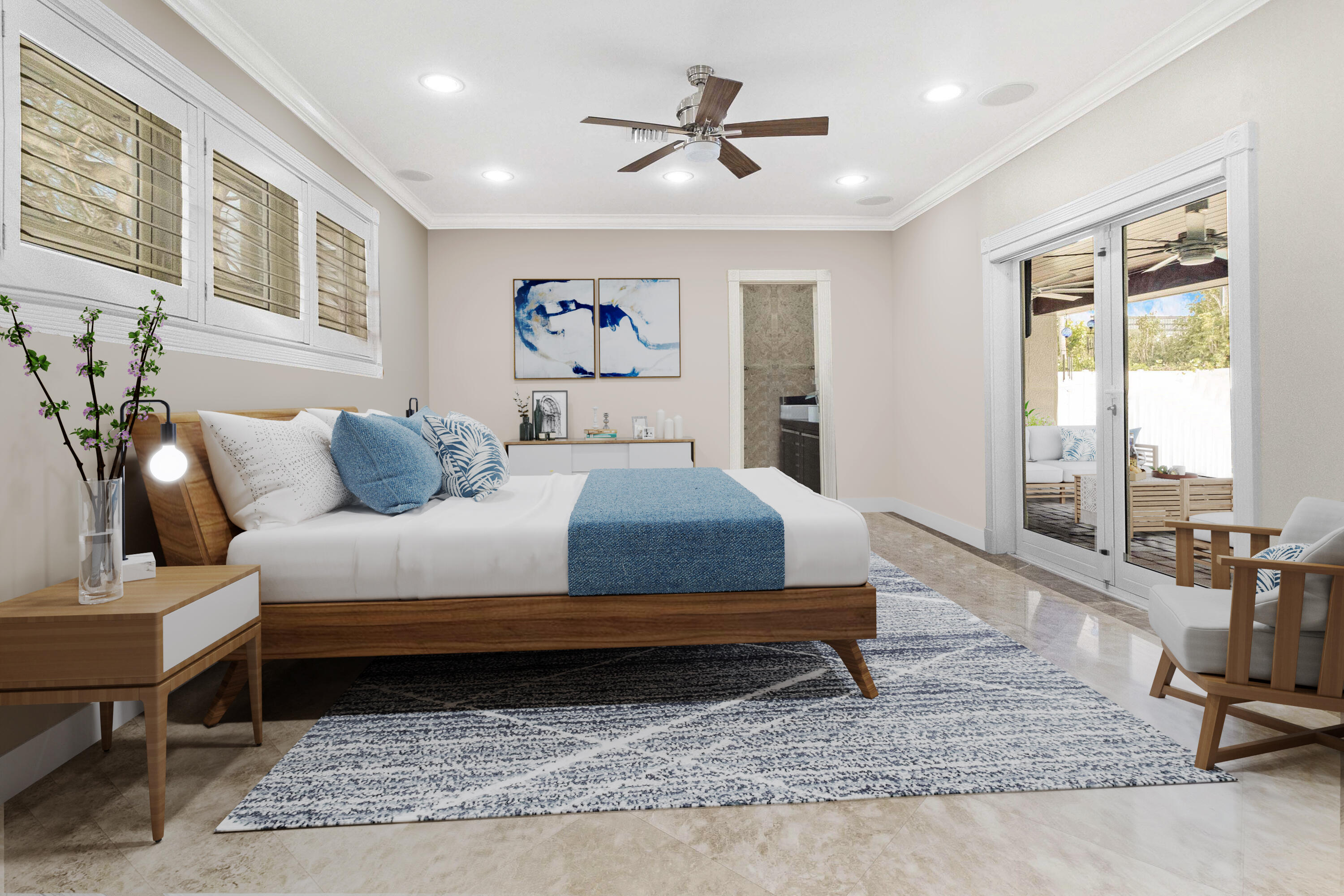
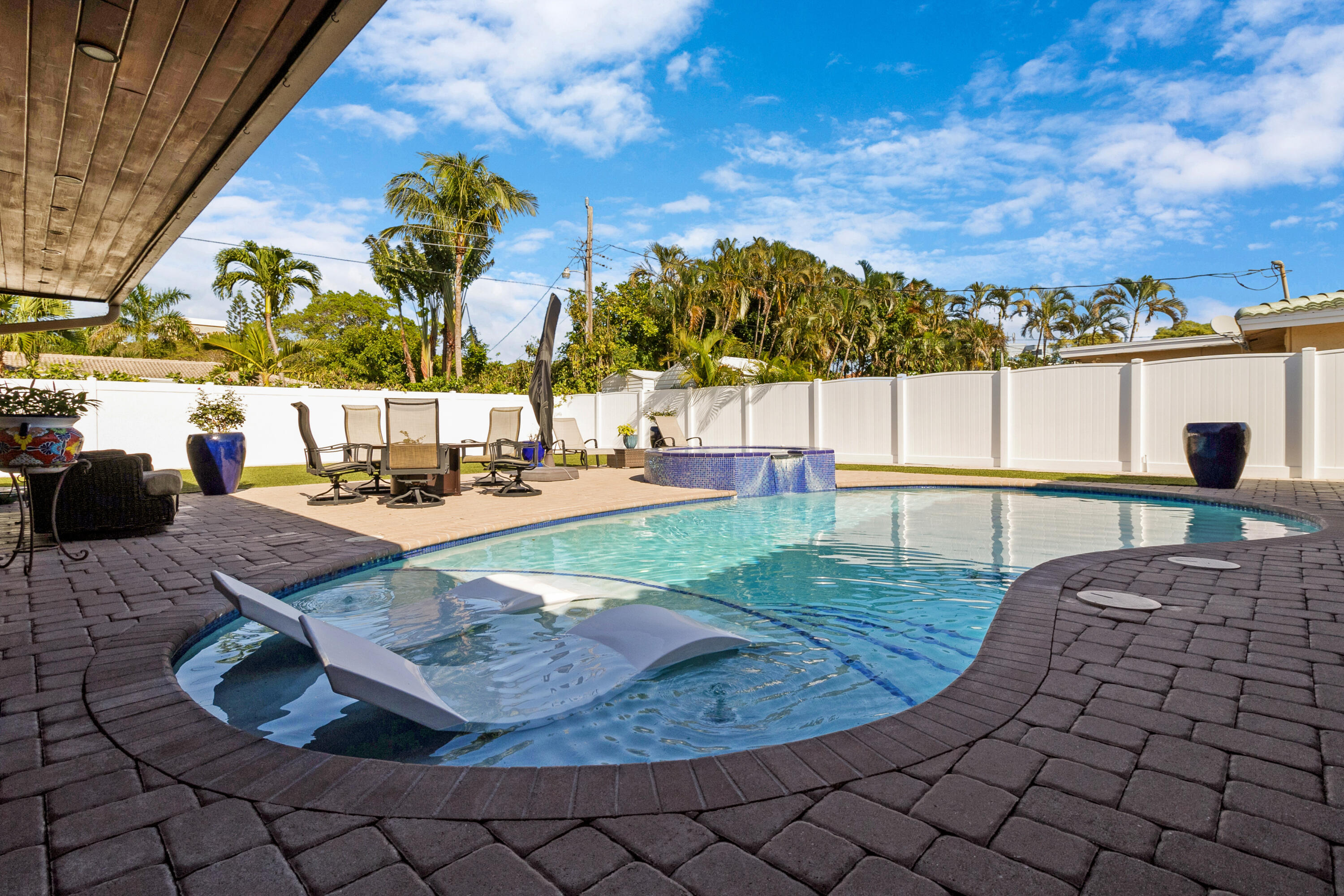
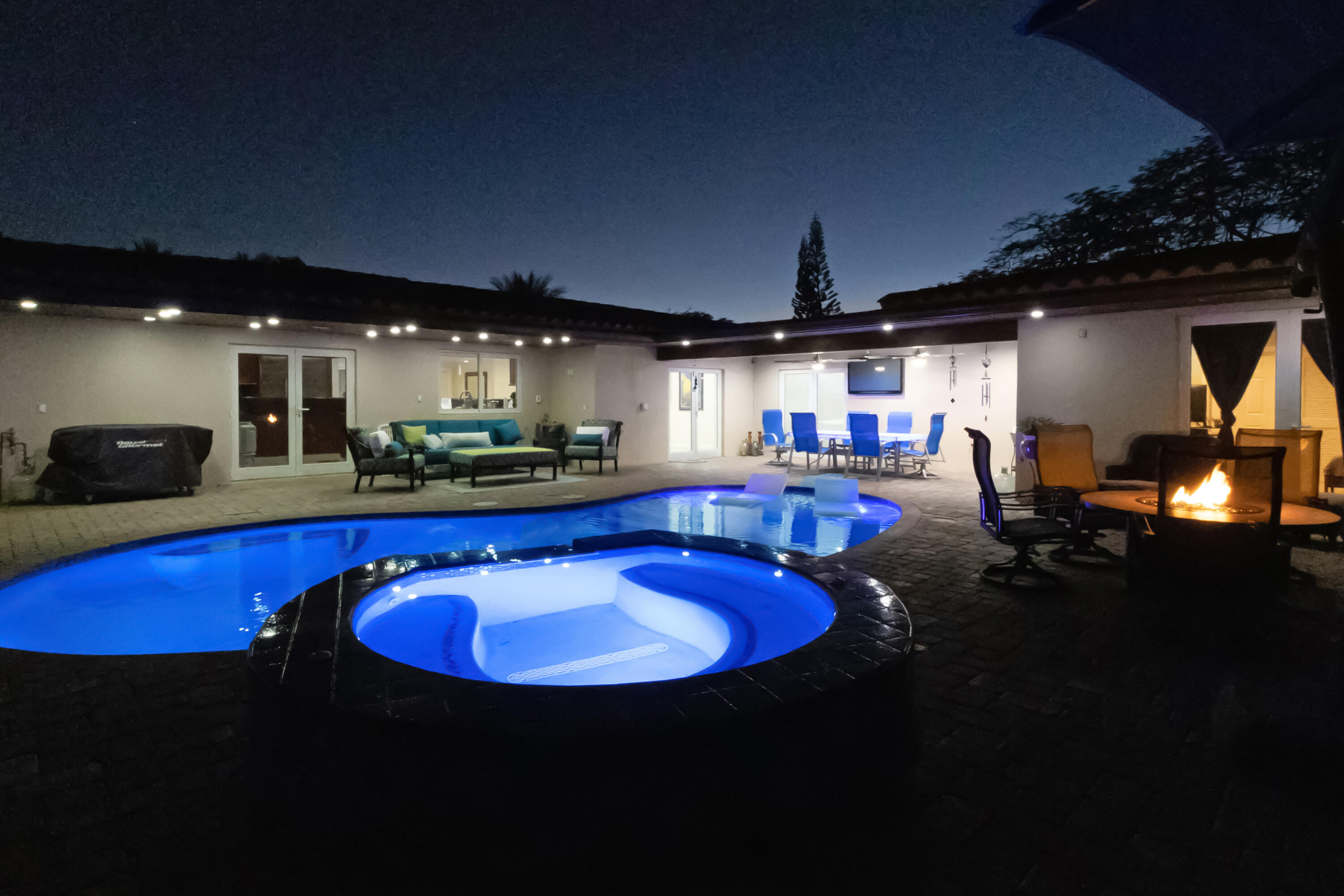
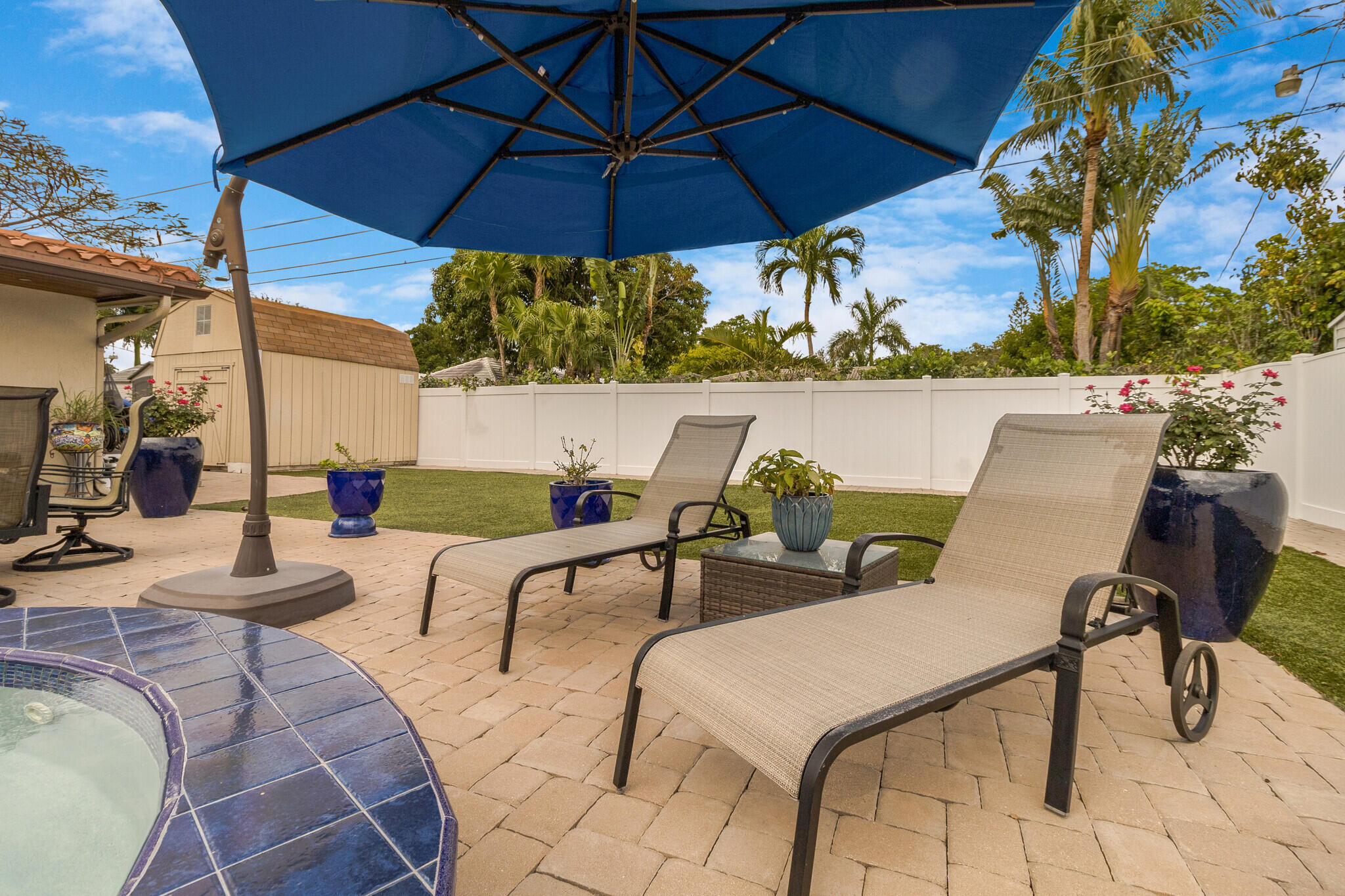
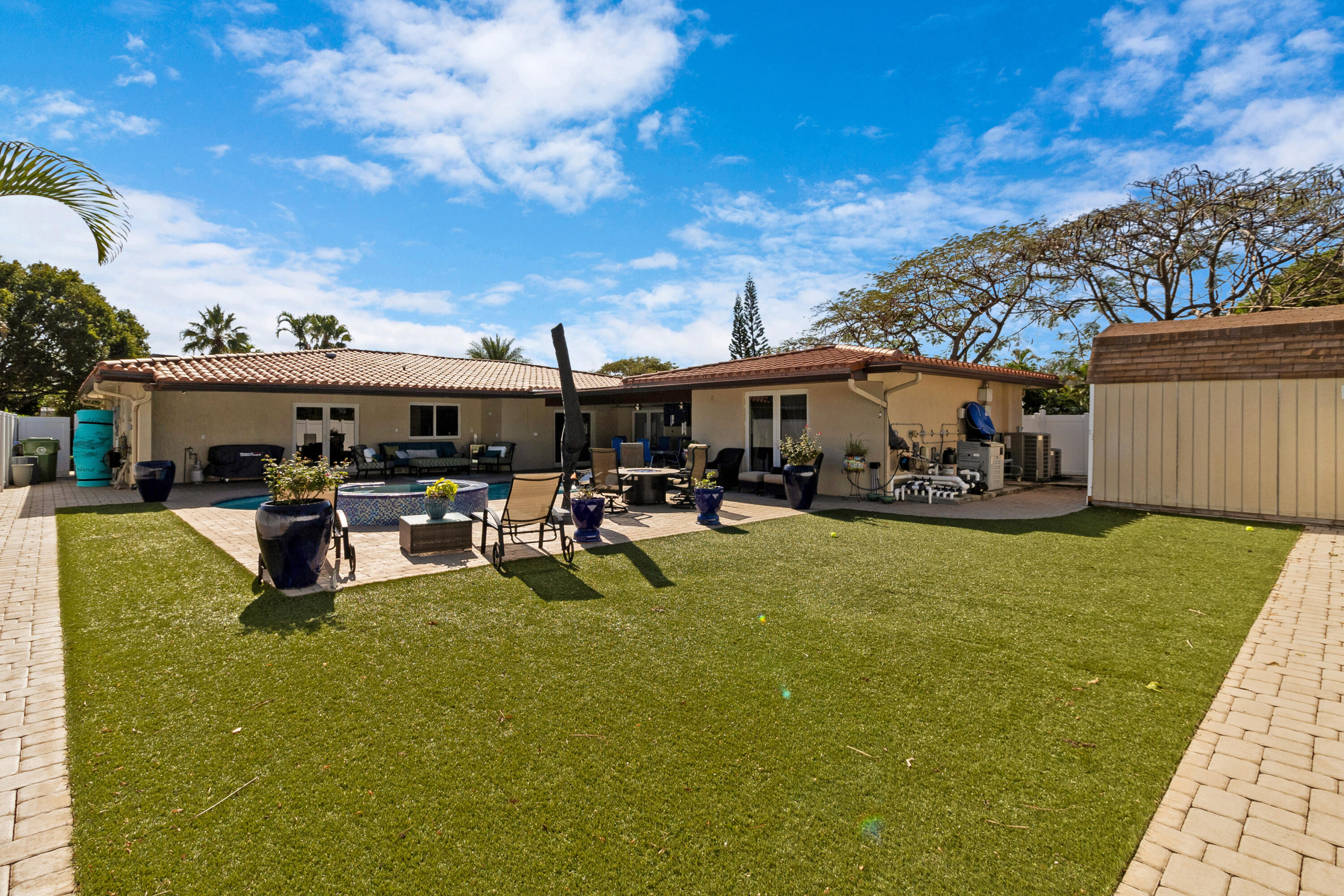

The property already had features capable of attracting buyers. The challenge was getting the market to see those strengths differently after a long period without meaningful momentum.
By the time we became involved, the seller's situation had become about much more than whether the home would eventually sell.
She wanted to maximize the value of the property, but there was also a personal reason the timing mattered. Her son was getting married in Arizona, and she wanted to relocate there as soon as possible to be close to him.
To make that move possible, she needed to achieve a specific financial outcome from the sale.
Meanwhile, she had been watching what was happening in her own neighborhood. While her property remained on the market without the activity she expected, she saw us launch, market, and sell several similar homes nearby.
Eventually, she decided it was time for a different approach.
That gave the transaction a very clear definition of success.
Our goal wasn't simply to put another property under contract. We needed to create enough buyer demand to give the seller a realistic opportunity to achieve the number she needed, while creating enough certainty around the transaction for her to move forward with her plans in Arizona.
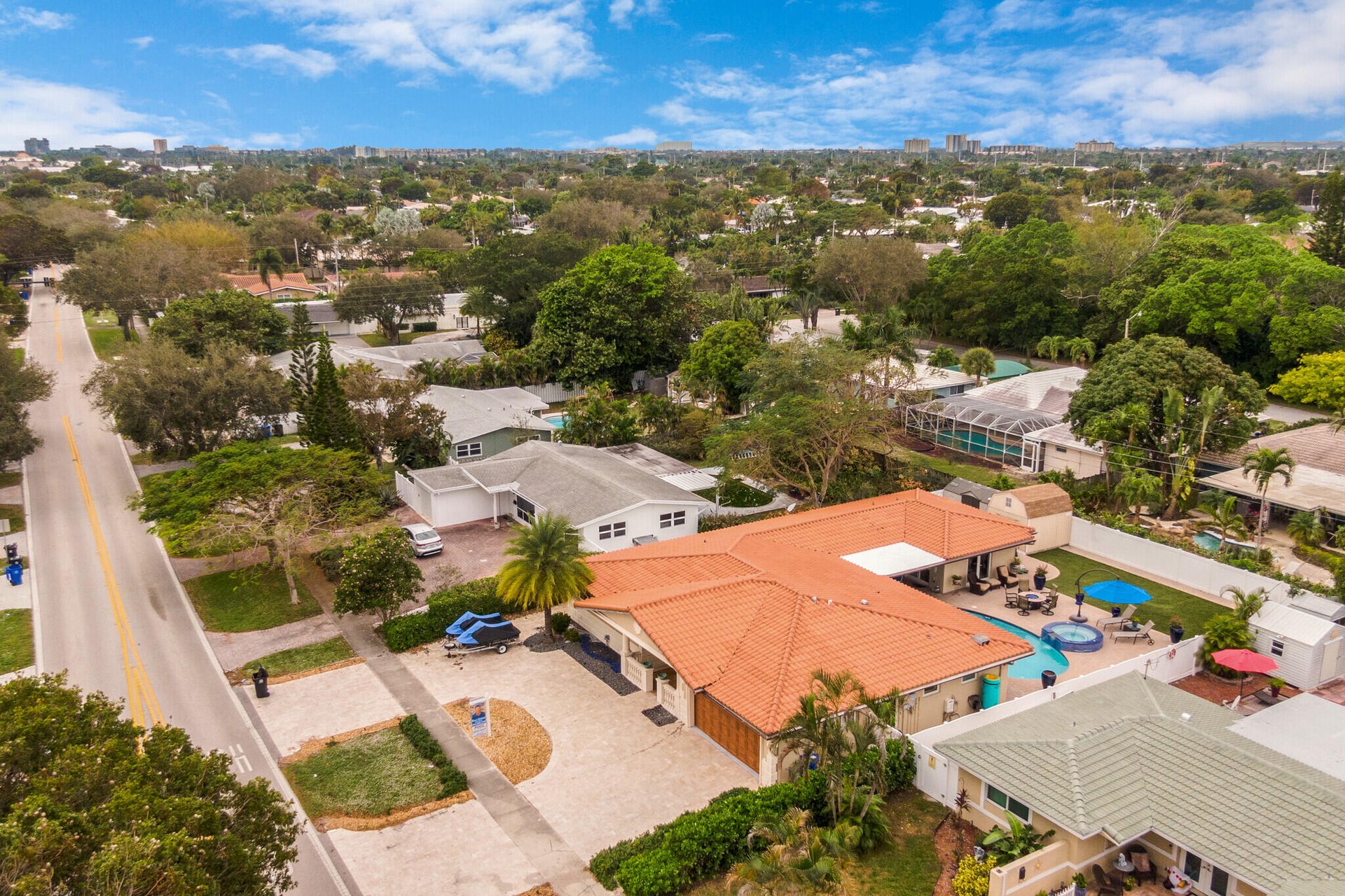
A property that has spent 249 days on the market carries history with it.
The longer a home remains available, the more difficult it can become to create a sense of fresh opportunity around the listing. Buyers who have already seen the property online may pass over it, while others may begin wondering why it hasn't sold.
That meant changing agents alone wasn't enough.
When we evaluated how the home had previously been presented, we saw an opportunity to improve both the digital presentation and the amount of active marketing supporting the listing.
The home had not been benefiting from the level of Zillow presentation or paid advertising we believed would be necessary to consistently put it in front of buyers.
Simply returning it to the market with essentially the same presentation would have risked producing the same result.
After months of limited momentum, buyers needed a reason to look again.
So before we focused on generating more exposure, we focused on what buyers would see when that exposure arrived.
Our first priority was presentation.
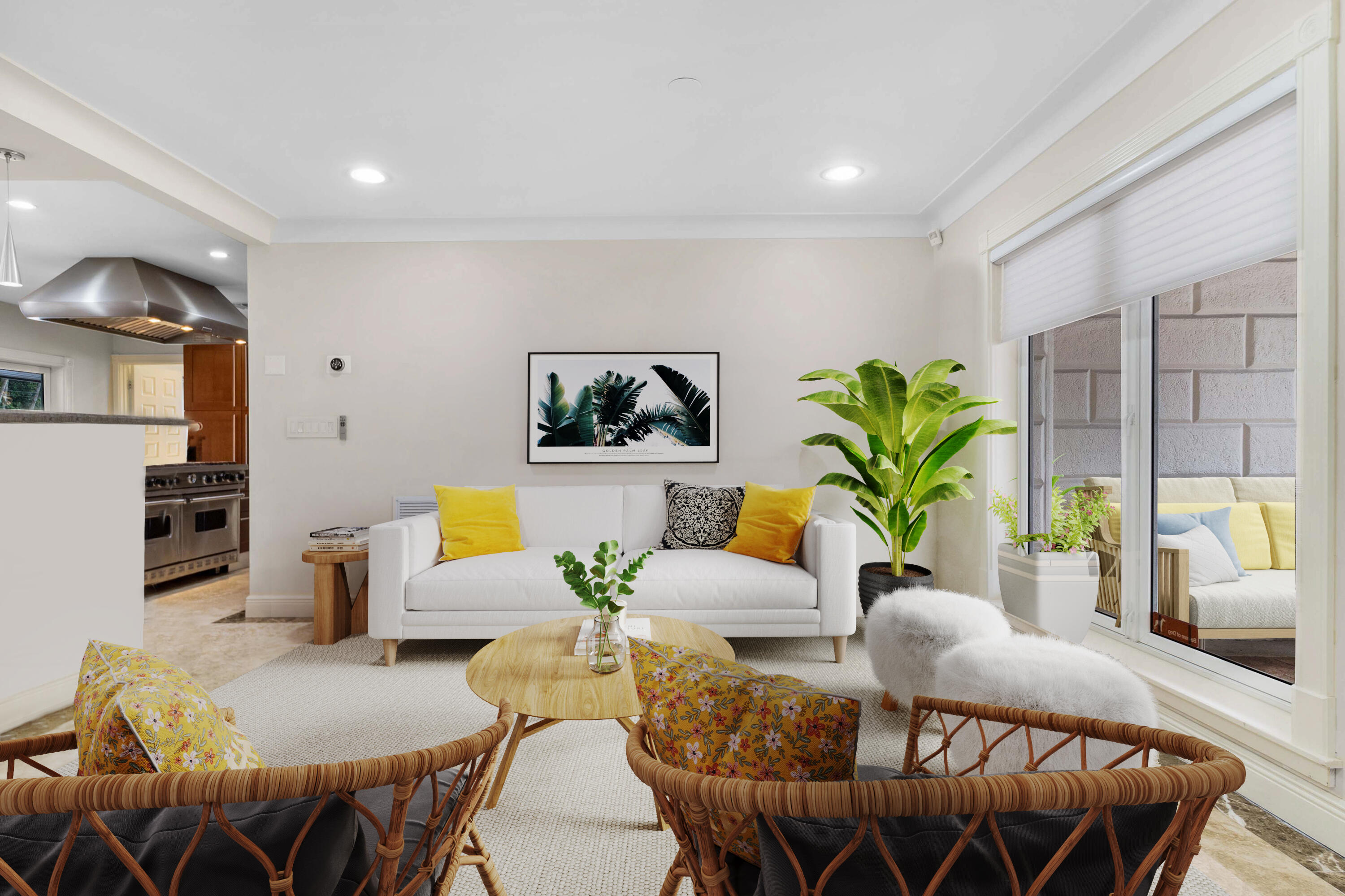
We staged the property, commissioned new professional photography, created a 3D virtual tour, and produced a property video designed to help buyers understand the home's strongest features before they ever scheduled a showing.
That distinction mattered.
Online, buyers don't initially experience square footage, room flow, a guest suite, or a backyard in person. They experience photographs, video, descriptions, and the sequence in which those elements are presented.
For a property that had already been available for months, the new presentation needed to do more than document the home.
It needed to make buyers reconsider it.
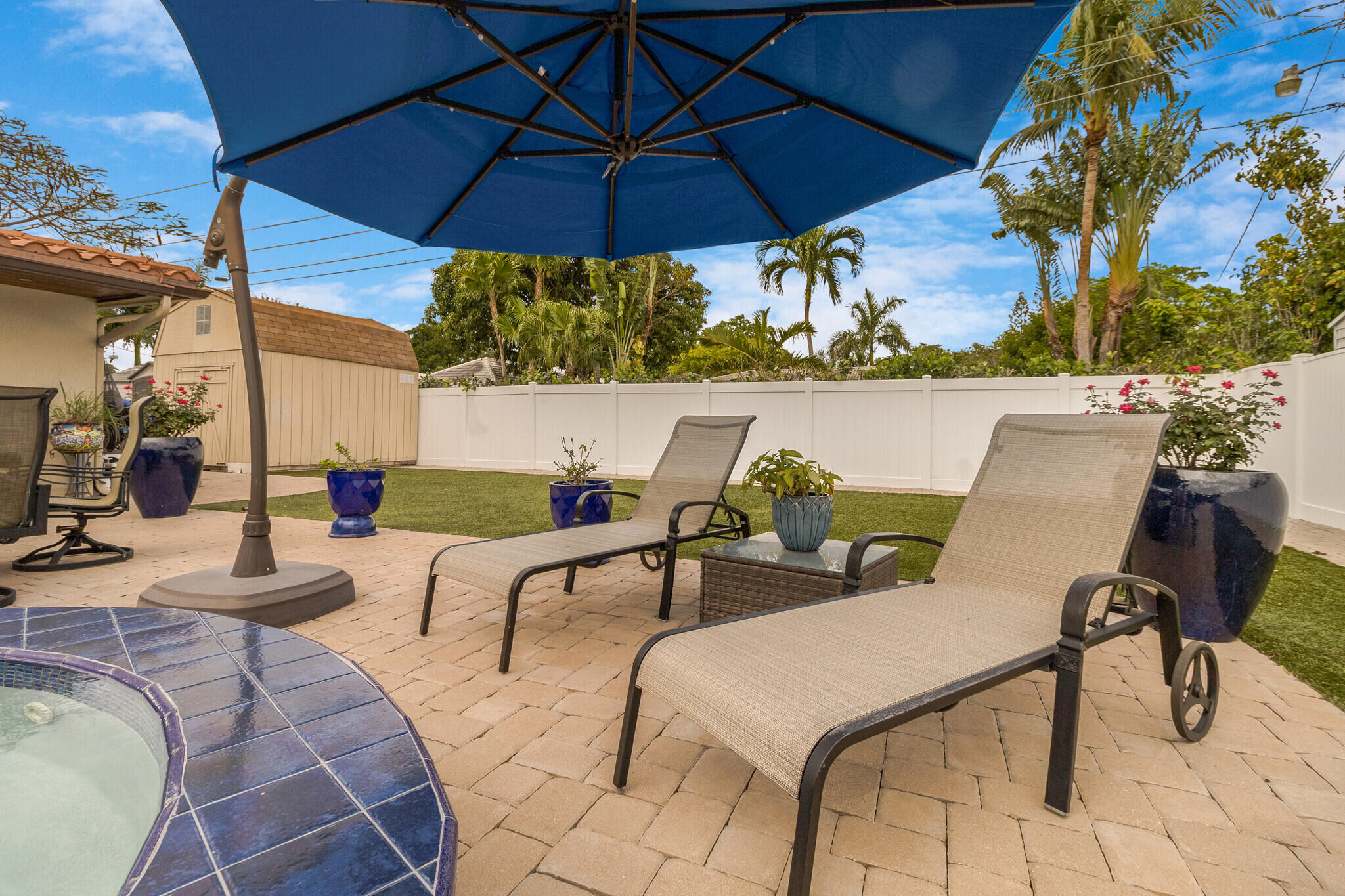
The backyard became an especially important part of that presentation. With a heated pool and spa and multiple outdoor gathering areas, it offered a setting that ultimately became one of the features buyers responded to most strongly.
Once the home had been repositioned visually, the next challenge was making sure enough buyers actually saw it.
The previous exposure had not produced the demand the seller needed, so the relaunch went beyond returning the property to the MLS.
We invested in Zillow Showcase and paid advertising across Google, Facebook, Instagram, and Bing.
The objective was to create additional paths between the property and potential buyers.
Rather than depending solely on buyers' agents to discover the listing through traditional searches, the campaign allowed buyers searching homes for sale to encounter the property directly. From there, they could inquire themselves or send the home to their agent and arrange a showing.
For a new listing, exposure helps establish momentum.
For a home returning to the market after 249 days, it had another purpose: overcoming familiarity.
The presentation had changed. Now we needed enough people to see that change.
Click any image to view it in detail.
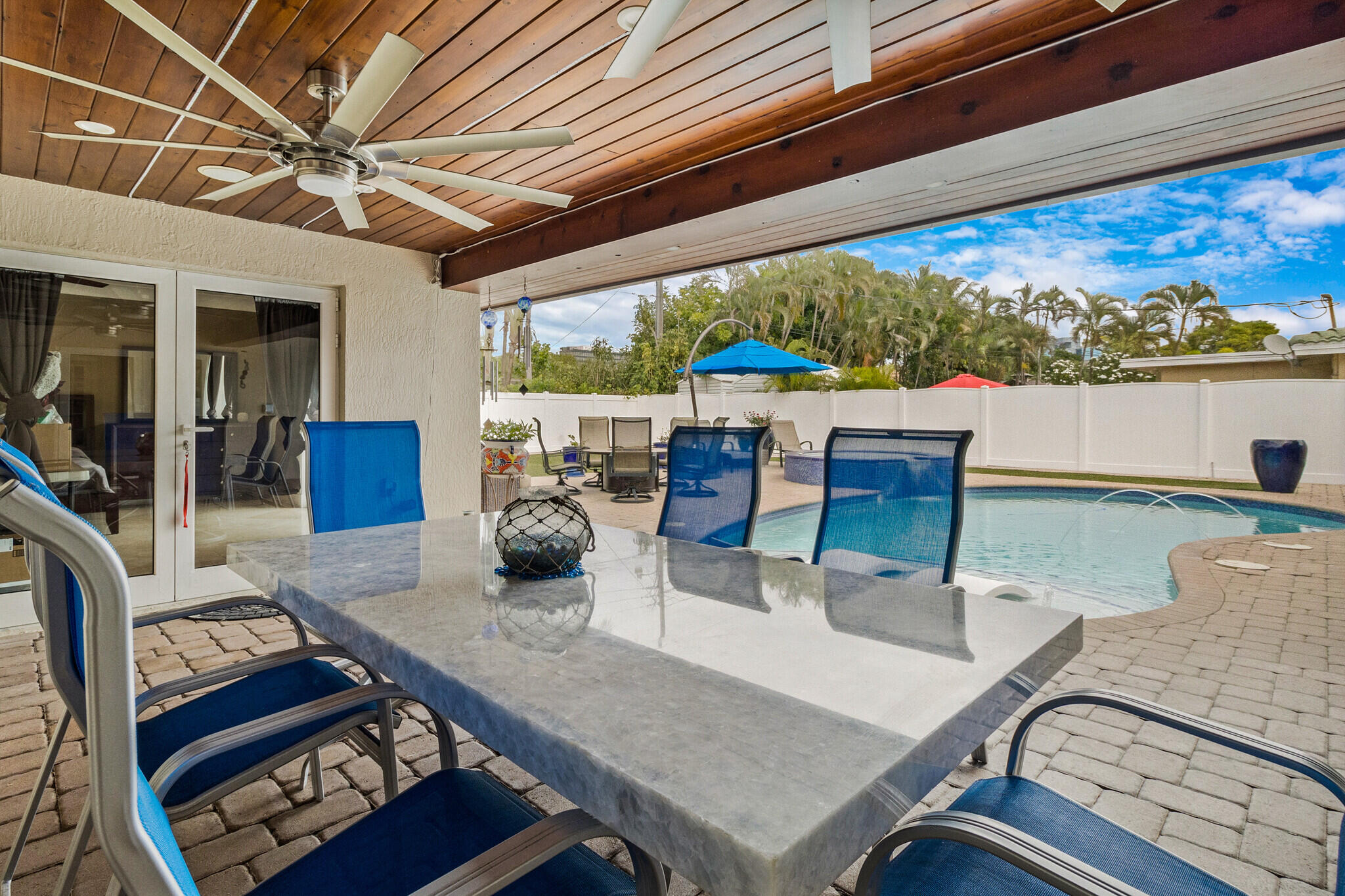
The response came quickly.
From the time the property relaunched until it went under contract, showing activity remained consistent.
More significantly, the home received more showings during the first weekend of the relaunch than it had during the entire previous listing period.
For a seller who had already spent months waiting for activity, that represented a meaningful shift.
The address hadn't changed.
The guest suite hadn't suddenly appeared.
The backyard had always been there.
What changed was the way the property was presented and the effort being made to put that presentation in front of potential buyers.
During showings, the backyard consistently emerged as one of the features buyers responded to most strongly. That reaction reinforced the decision to make the home's outdoor living experience an important part of the new presentation.
But the increase in activity did something else as well.
It gave the seller greater confidence in the value of what she owned.
After a property has spent months on the market, it can be tempting to treat the next offer as the only opportunity that may come along.
That can put a seller in a difficult negotiating position.
The renewed showing activity at 2231 NE 62nd Street created a different dynamic. The seller could see that buyers were engaging with the property, which gave her greater confidence that achieving the financial result she needed was realistic.
That mattered because she wasn't simply negotiating a sale price.
She was making decisions that would determine whether she could move to Arizona on the terms she had planned.
She also didn't want to begin making irreversible moving decisions until she felt confident that the transaction was solid.
Our negotiations therefore had to balance two priorities: protecting the financial outcome she needed while creating enough certainty around the contract for her to begin planning what came next.
And accepting the offer was only the first negotiation.
The inspection period created another important stage in the transaction.
The buyer raised concerns that needed to be addressed, but resolving an inspection doesn't automatically mean agreeing to every requested repair or reducing the seller's proceeds.
We worked through those issues while protecting the seller's equity and keeping the larger transaction moving forward.
That distinction was particularly important here.
The seller had entered the process with a specific financial objective tied directly to her ability to relocate. A concession that might appear relatively small in isolation still had to be considered in the context of that larger goal.
Inspection negotiations are often where the terms of a home sale begin to change after the initial agreement.
The strongest response isn't automatically to refuse every request or agree to every request. It's to understand what actually needs to be solved, what the contract requires, and how each decision affects the seller's priorities.
For this homeowner, protecting the outcome she needed remained the focus long after the initial purchase price had been negotiated.
Once the major negotiations were resolved, the transaction moved into a stage that sellers rarely see in full.
Hundreds of emails, text messages, and phone calls took place between contract and closing.
Deadlines had to be monitored. Inspection issues had to remain resolved. Communication between everyone involved needed to continue. The buyer's side of the transaction had to stay on track.
At the same time, the seller was preparing for a move several states away.
That made the closing timeline more than an administrative date on a contract.
It was the point around which the next stage of her life was being organized.
Our goal was to keep the transaction predictable enough that she could begin planning that move with confidence, rather than wondering whether another unexpected issue would derail the sale.
The work after contract wasn't particularly visible.
That was the point.
A well-managed closing should allow the homeowner to focus increasingly on what comes next rather than becoming responsible for managing every moving part of the transaction herself.

The outcome fulfilled the goals that shaped the transaction from the beginning: achieve the financial result the seller needed and create enough certainty for her to move to Arizona to be near her son as he prepared to get married. The final result was especially meaningful after the home had spent 249 days on the market without producing the activity she needed.
The success went beyond generating a buyer. The dramatic increase in showing activity gave the seller greater confidence in the property's marketability, while careful inspection negotiations helped preserve the financial outcome she was working toward. A well-managed closing then allowed her to make her relocation plans with greater certainty.
For this homeowner, the value of the sale was ultimately measured by what it made possible: leaving behind a frustrating 249-day listing and moving forward with the next chapter she had been waiting for.
"After almost an entire YEAR of my home sitting on the market with another agent I finally decided to give Ryan Critch Real Estate a call... Ryan and his team blew me away with their professionalism, market knowledge & confidence in selling my home. They sold my home QUICKLY and for THE MOST amount of money!"
– Carine O'T.
You can also read more Seller Reviews to learn how we've helped homeowners navigate a wide range of selling situations.
When a home has been on the market for an extended period, the natural response is often to focus on price. But before making that decision, it is worth examining whether buyers have been given the right reasons to reconsider the property.
A stronger relaunch may require changes to presentation, exposure, or both. Professional staging and stronger visual marketing can help buyers recognize features they may have overlooked, while targeted advertising can introduce the property to people who were never reached the first time around.
Market response then becomes valuable information. A meaningful increase in showings can reveal whether the new approach is gaining traction and give homeowners greater perspective when evaluating offers.
The selling strategy also matters after a buyer is found. Inspection requests, concessions, deadlines, and closing terms can all influence the seller's final proceeds and ability to carry out whatever comes next.
For homeowners considering a change after an unsuccessful listing, the most useful question may not be, "What should we lower the price to?"
It may be, "What needs to change for buyers to see the value differently?"
At 2231 NE 62nd Street, answering that question thoughtfully helped turn a prolonged listing into a sale that supported the homeowner's financial goals, preferred timeline, and move to Arizona.
After 249 days, repeating the previous listing strategy was unlikely to change buyer response. We rebuilt the home's presentation with staging, new professional photography, a 3D tour, and video, then expanded its exposure through paid digital advertising. The goal was to give buyers a new reason to discover and reconsider the property rather than simply restarting its time on the market.
A relaunch should address why the previous listing struggled to generate enough buyer demand. We look at pricing, photography, staging, online presentation, marketing reach, showing activity, and buyer feedback to identify where meaningful changes can be made. Relisting is most effective when buyers encounter a noticeably stronger presentation or marketing strategy, not simply a new listing date.
Stronger buyer activity can give homeowners more confidence when evaluating an offer and negotiating terms. When there is evidence that qualified buyers are actively interested, a seller may be better positioned to protect important priorities rather than making concessions simply to preserve the first opportunity. That can matter during the initial negotiation as well as later discussions involving inspections, credits, repairs, and closing terms.
The best selling strategy should account for what the homeowner actually needs from the transaction, not just the sale price. A relocation, purchase of another home, or important family timeline can make closing certainty, proceeds, inspection negotiations, and timing equally important. Identifying those priorities early allows pricing, marketing, negotiation, and transaction management decisions to support the seller's larger objective.
Considering selling a luxury or waterfront property? Request a home valuation to better understand how your property's features, location, and current market conditions may influence its value.
Want to learn more about the areas we serve? Explore our South Florida neighborhoods to see where our team provides real estate services.
Photography by AccuTour

Davie
Preparing for appraisal while making the home's upgrades easy to see in Davie, Florida.

Pompano Beach
Using future-value positioning and targeted marketing to keep buyers engaged as expectations rose in Pompano Beach.
Fort Lauderdale
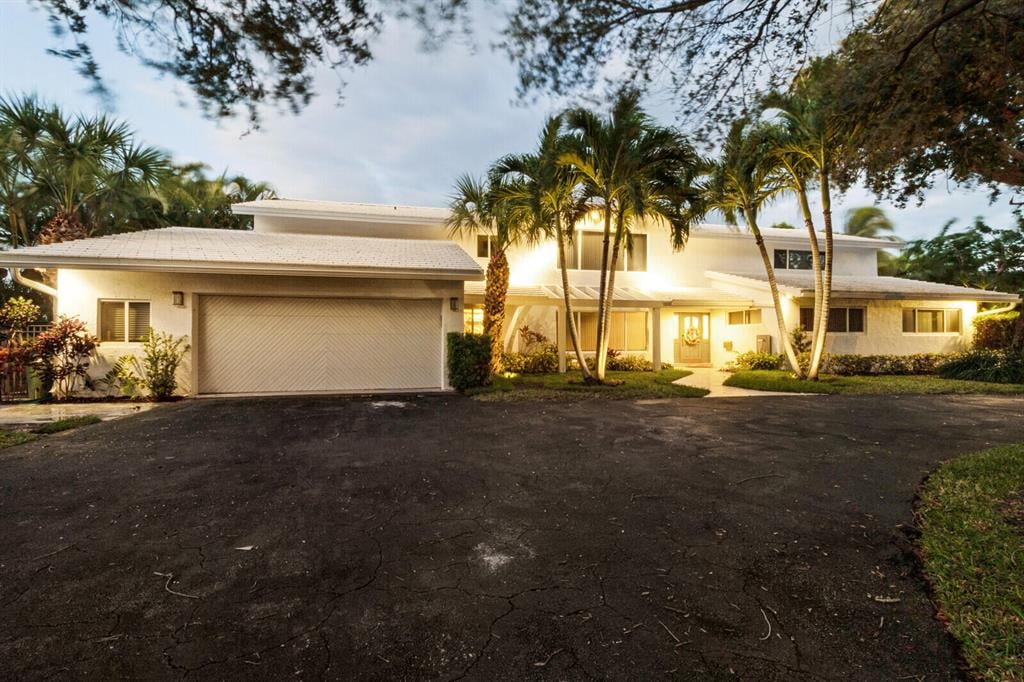
Giving buyers a credible path beyond the home's biggest objection in Fort Lauderdale.
Pompano Beach
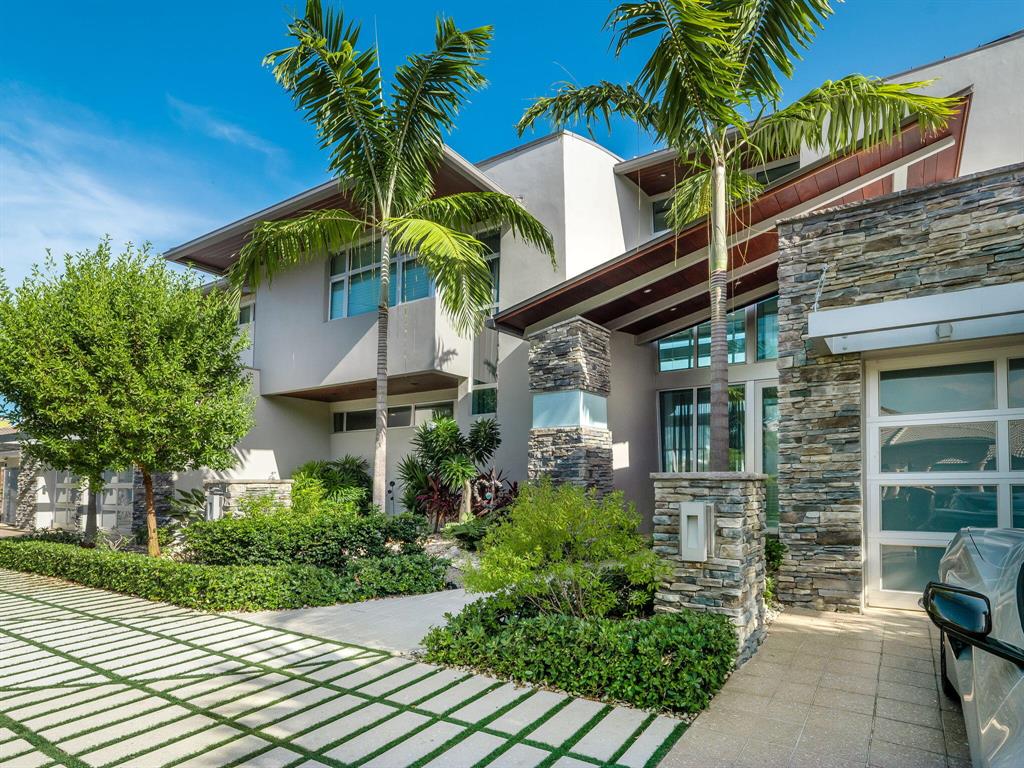
Reframing exceptional waterfront value beyond traditional comparables in Pompano Beach, Florida.
Fort Lauderdale
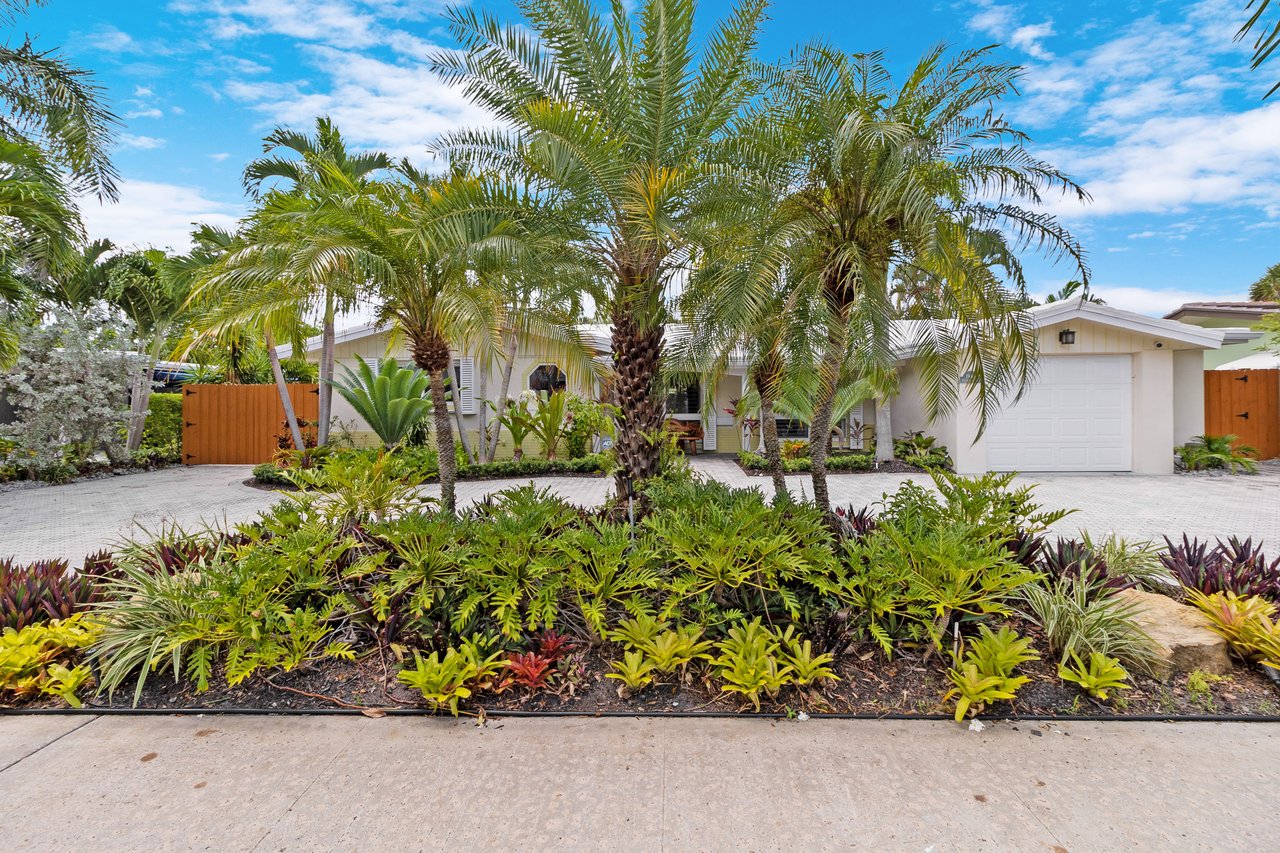
Replacing a failed first impression with a complete marketing relaunch in Fort Lauderdale, Florida.
Fort Lauderdale
Removing buyer uncertainty through roof documentation, refreshed presentation, and strategic pricing in Fort Lauderdale, Florida.
Every home is unique. Let's build a customized marketing strategy tailored to your goals to maximize your home's value.