How We Turned a Lack of Comparable Sales Into a Record Sale in Pompano Isles
Pompano Beach
Pompano Beach
At 2331 SE 14th Street in the Pompano Isles community of Pompano Beach, Florida, the homeowners wanted to maximize their equity before moving to Boca Raton, despite a lack of comparable sales that reflected the home's extensive renovation. The transaction demonstrated how we:
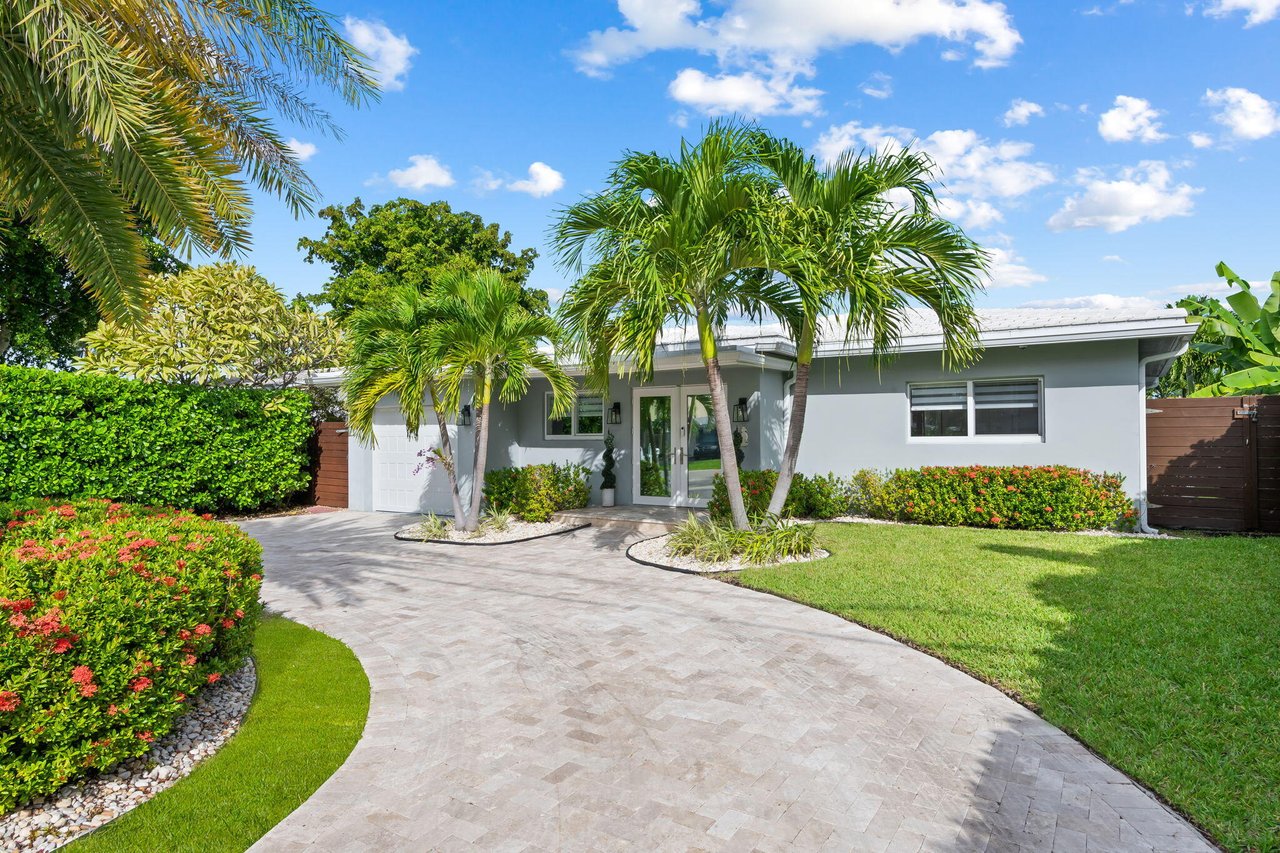
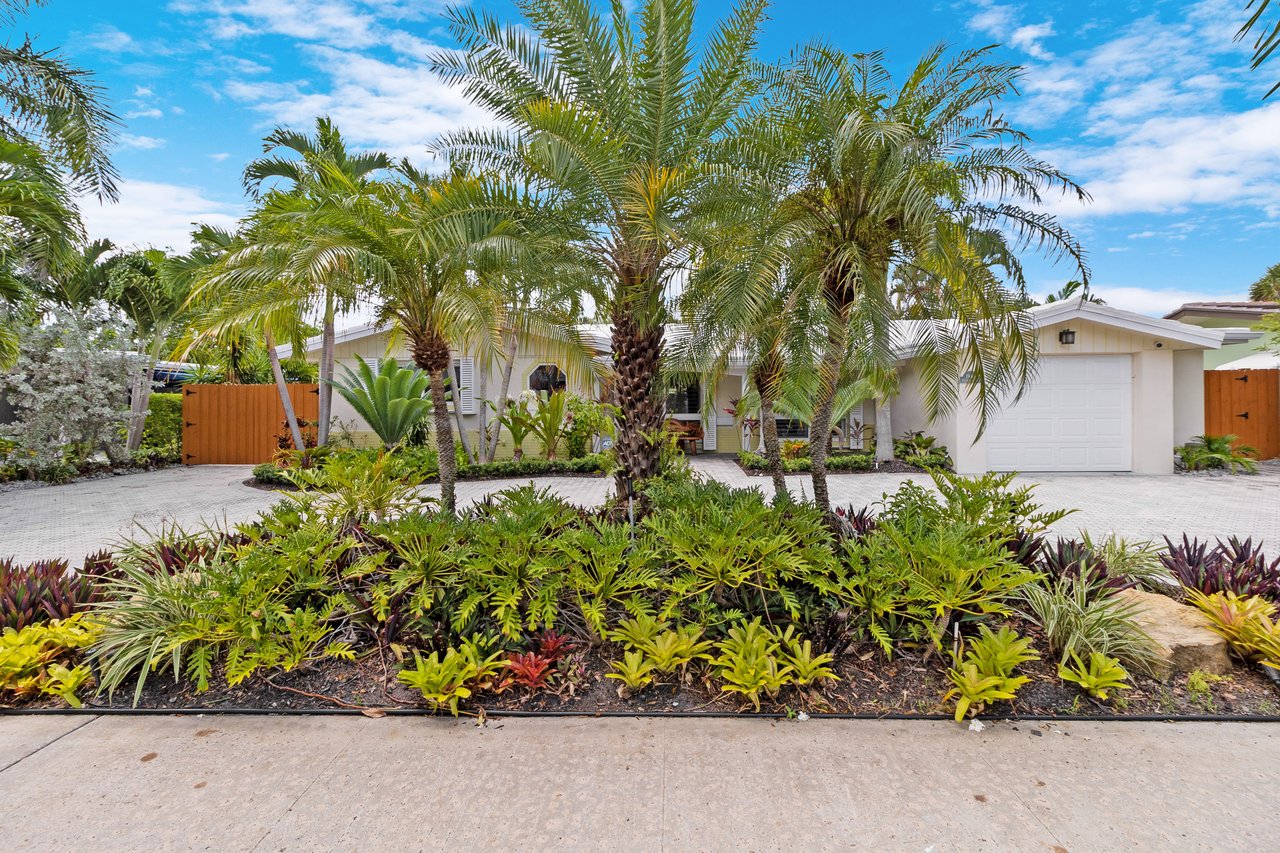
From the front door, the reason 2331 SE 14th Street felt different was immediately apparent.
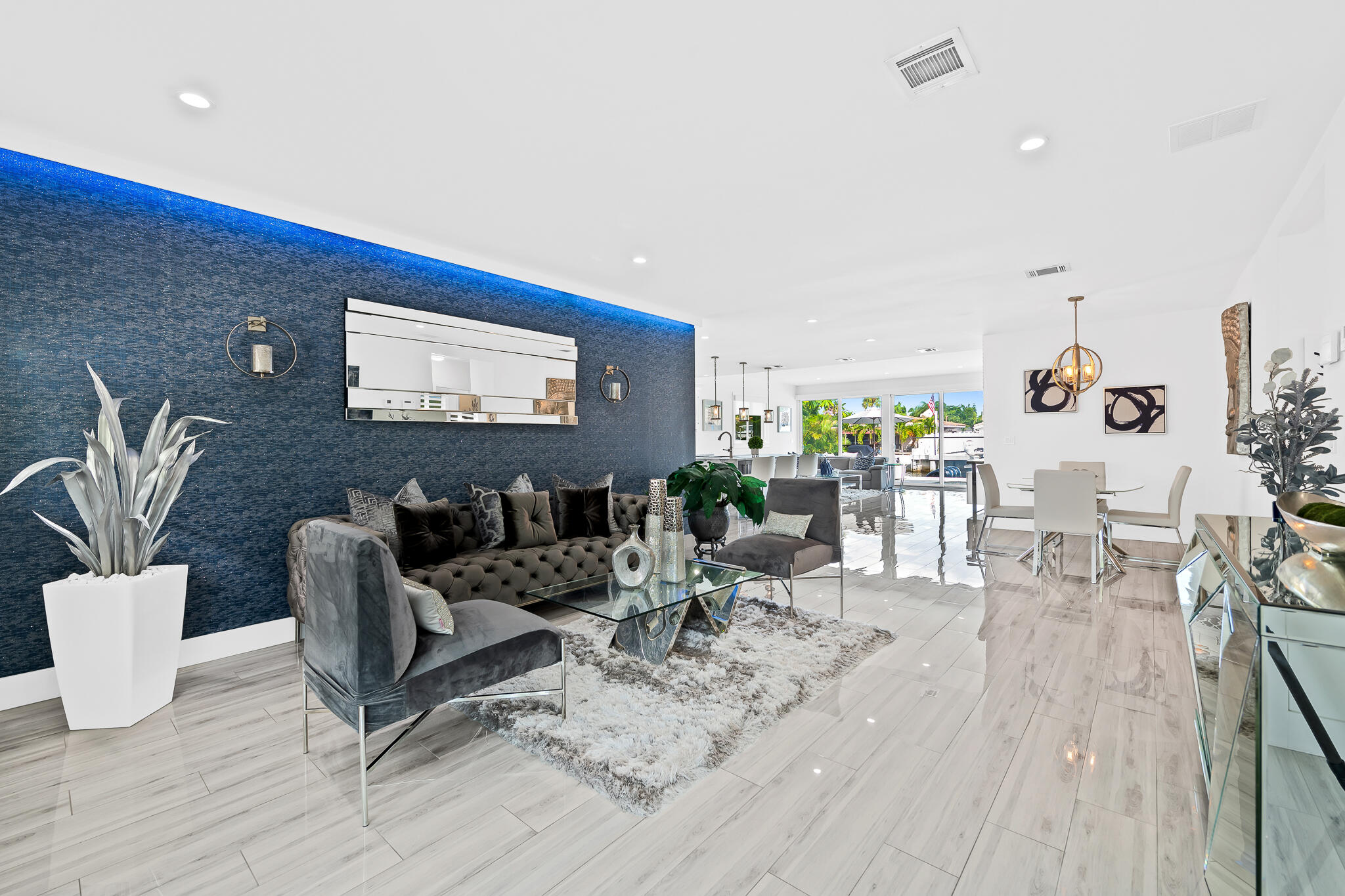
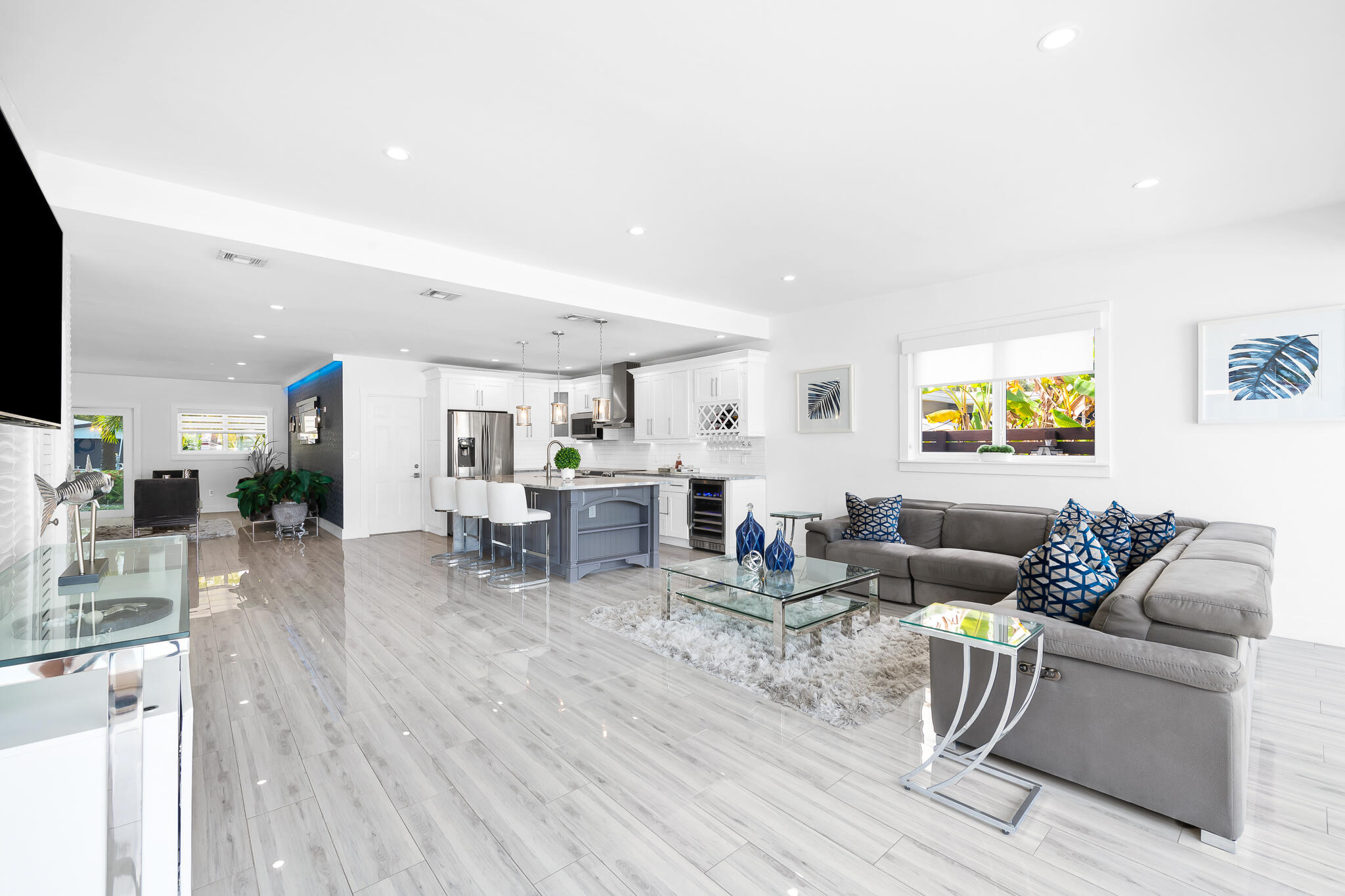
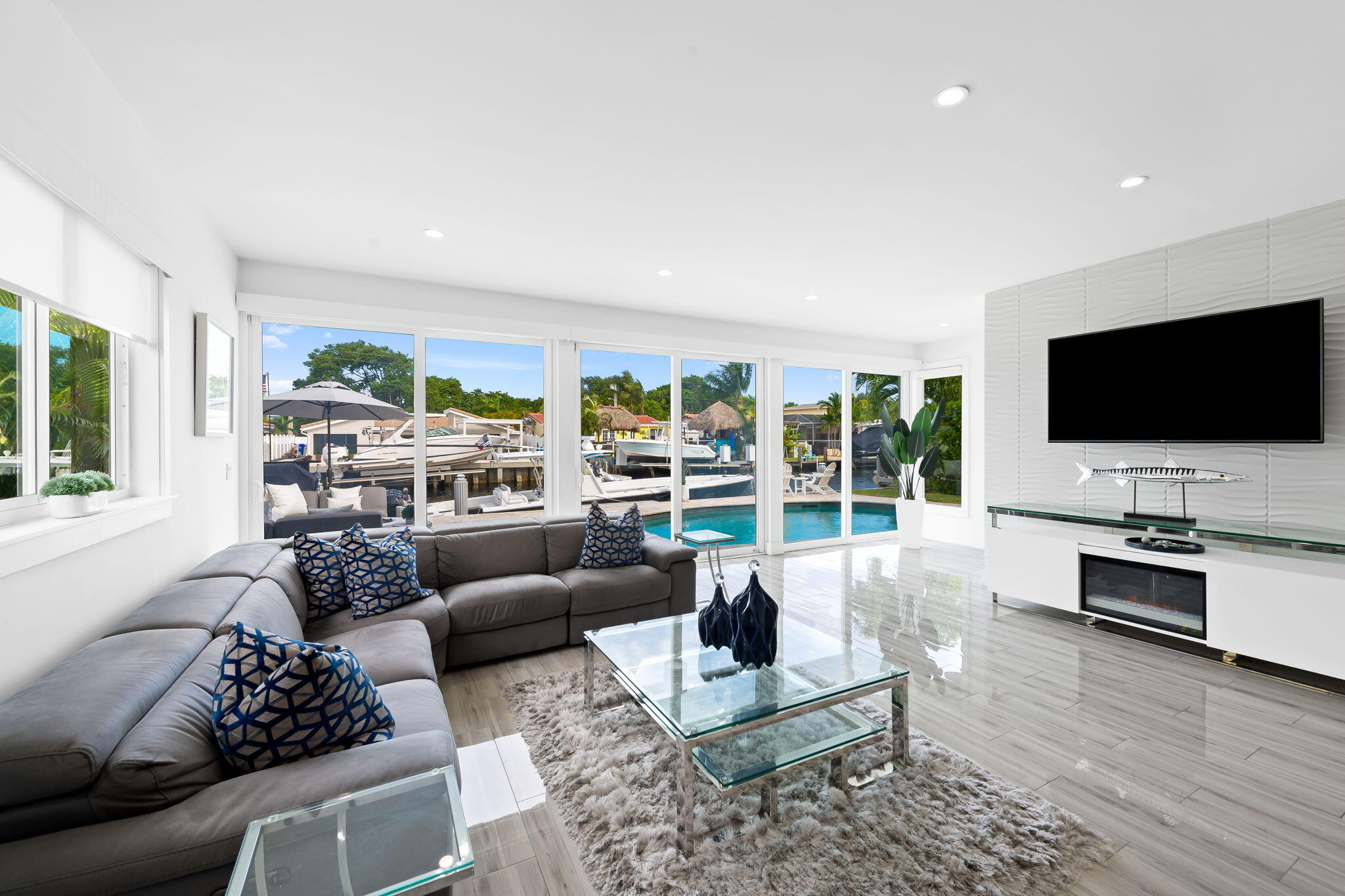
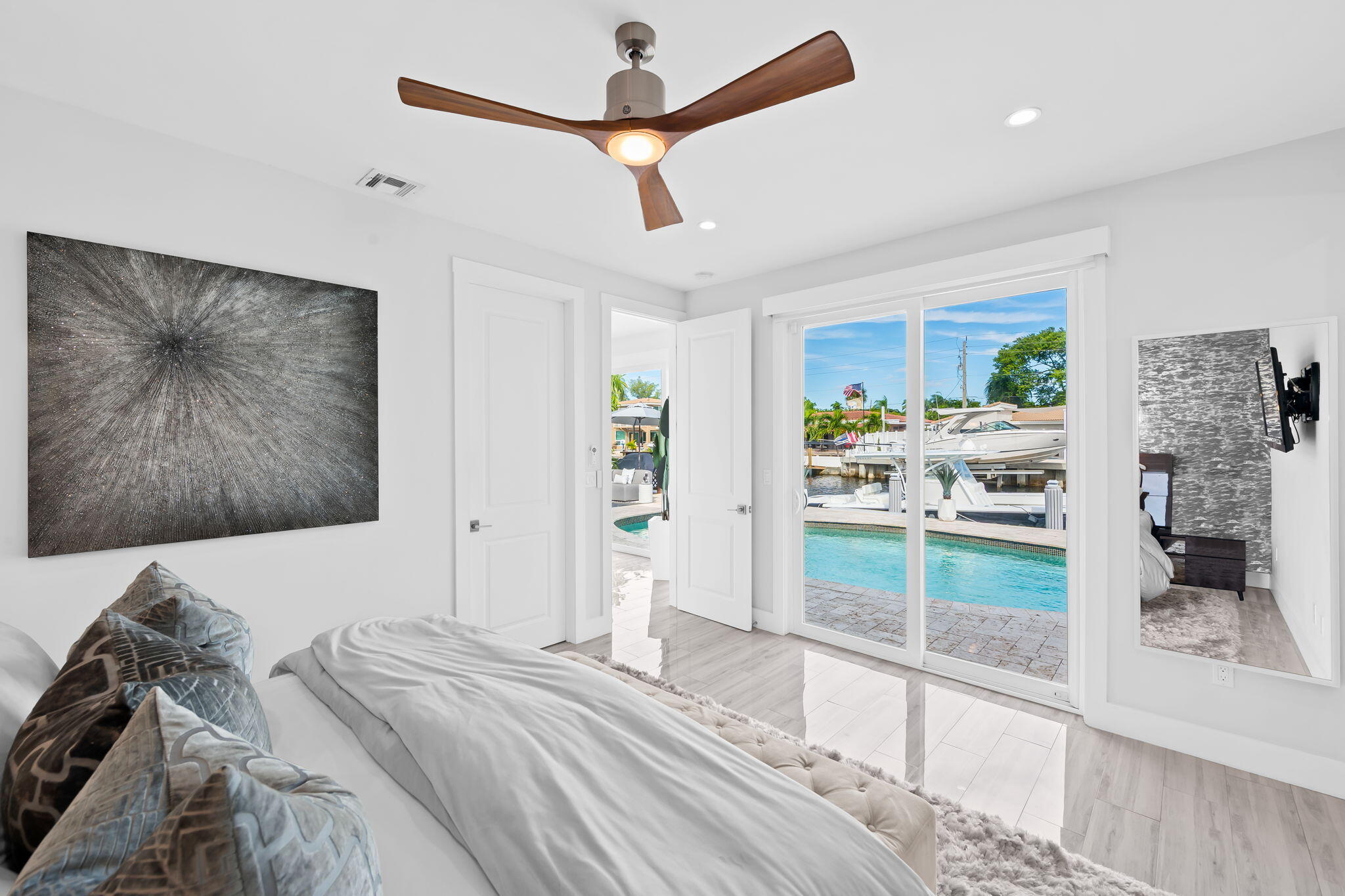
The waterfront view created the initial sense of arrival, but the home's renovation gave buyers more to consider. An extensive 2018 project added volume and opened the residence toward the water, including vaulted ceilings and an enlarged primary suite positioned to take advantage of the view.
That distinction mattered on a street where many homes retained the lower ceiling heights associated with the area's older housing stock.
Click any image to view it in detail.
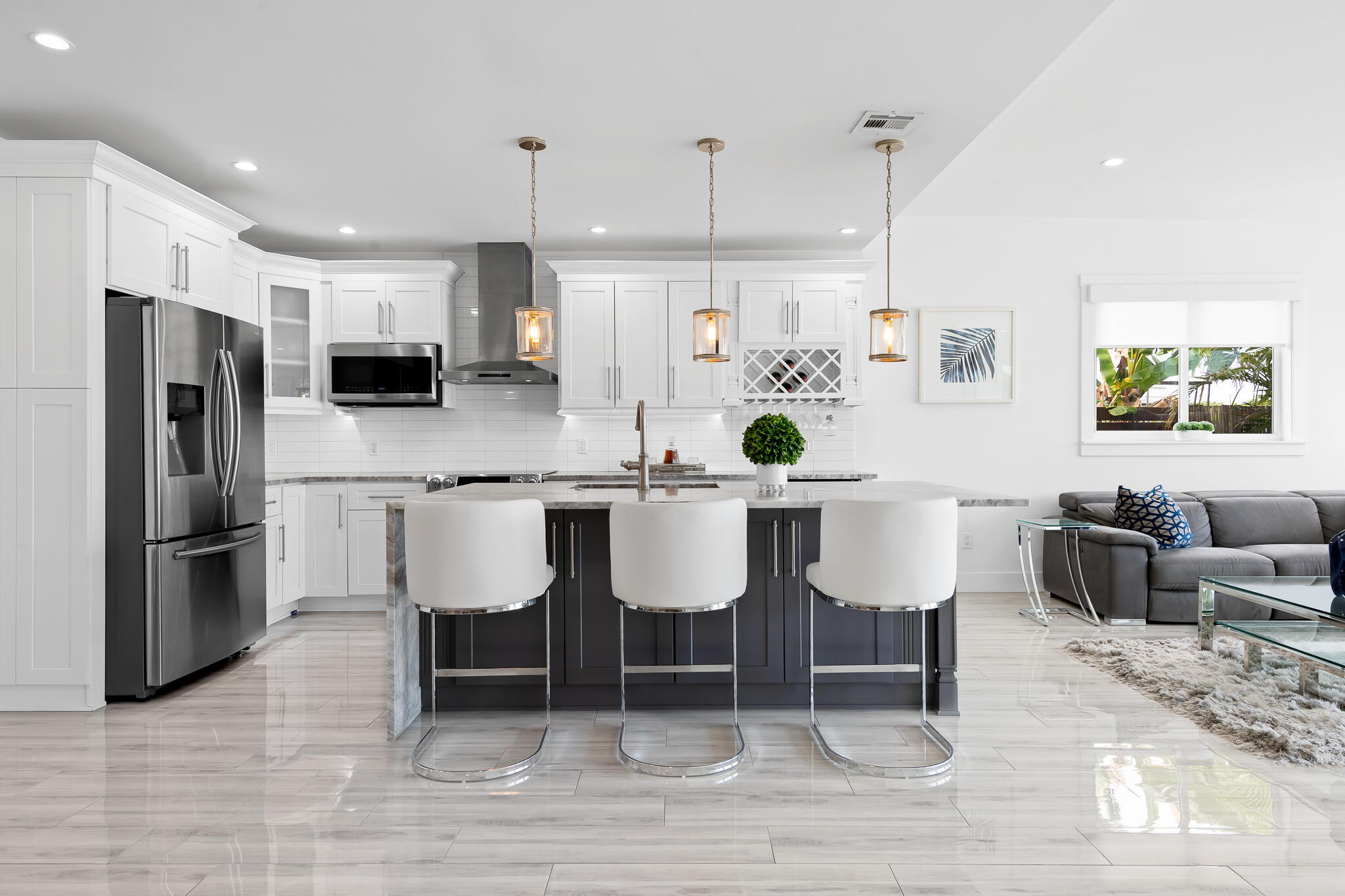
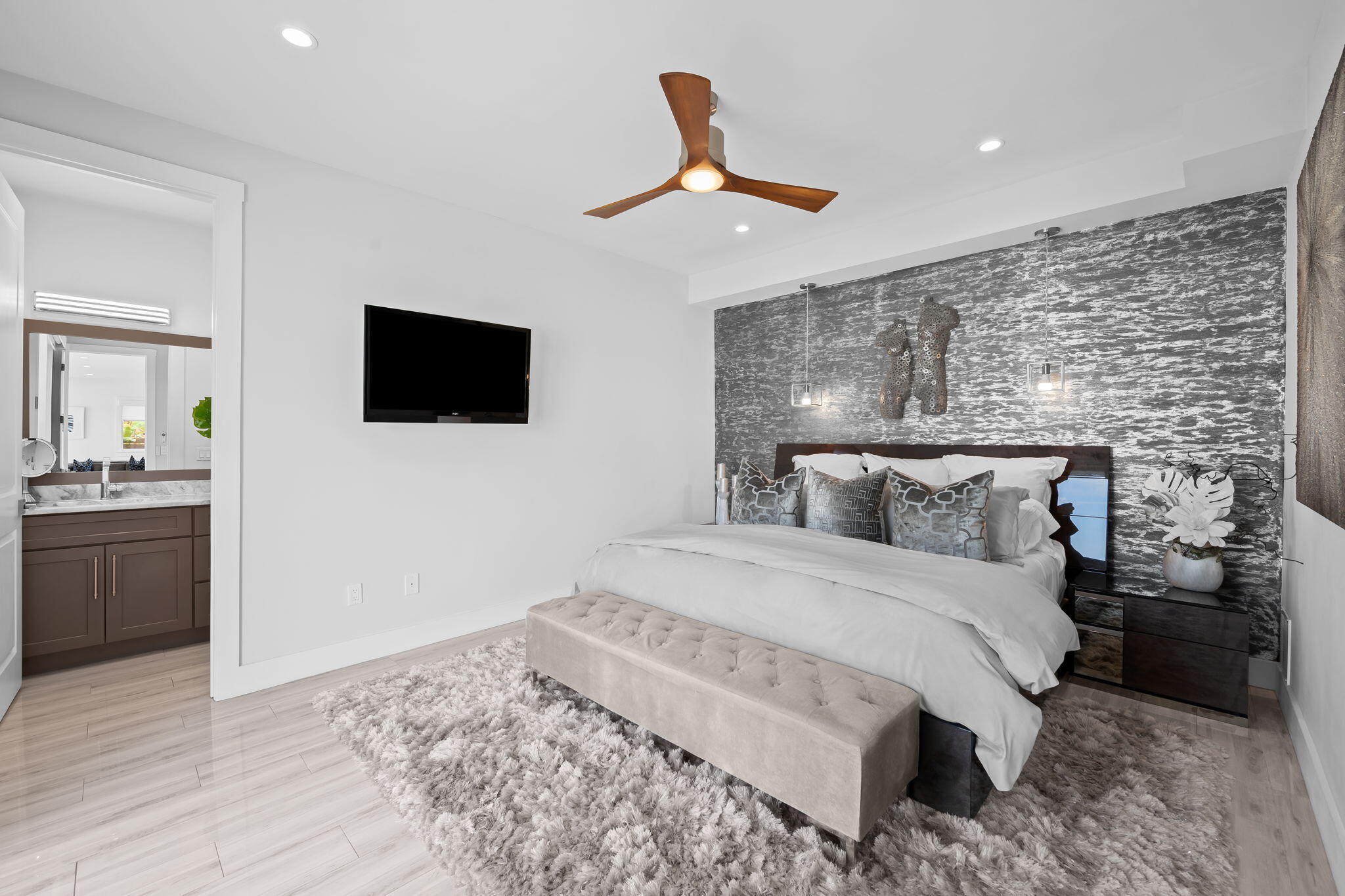
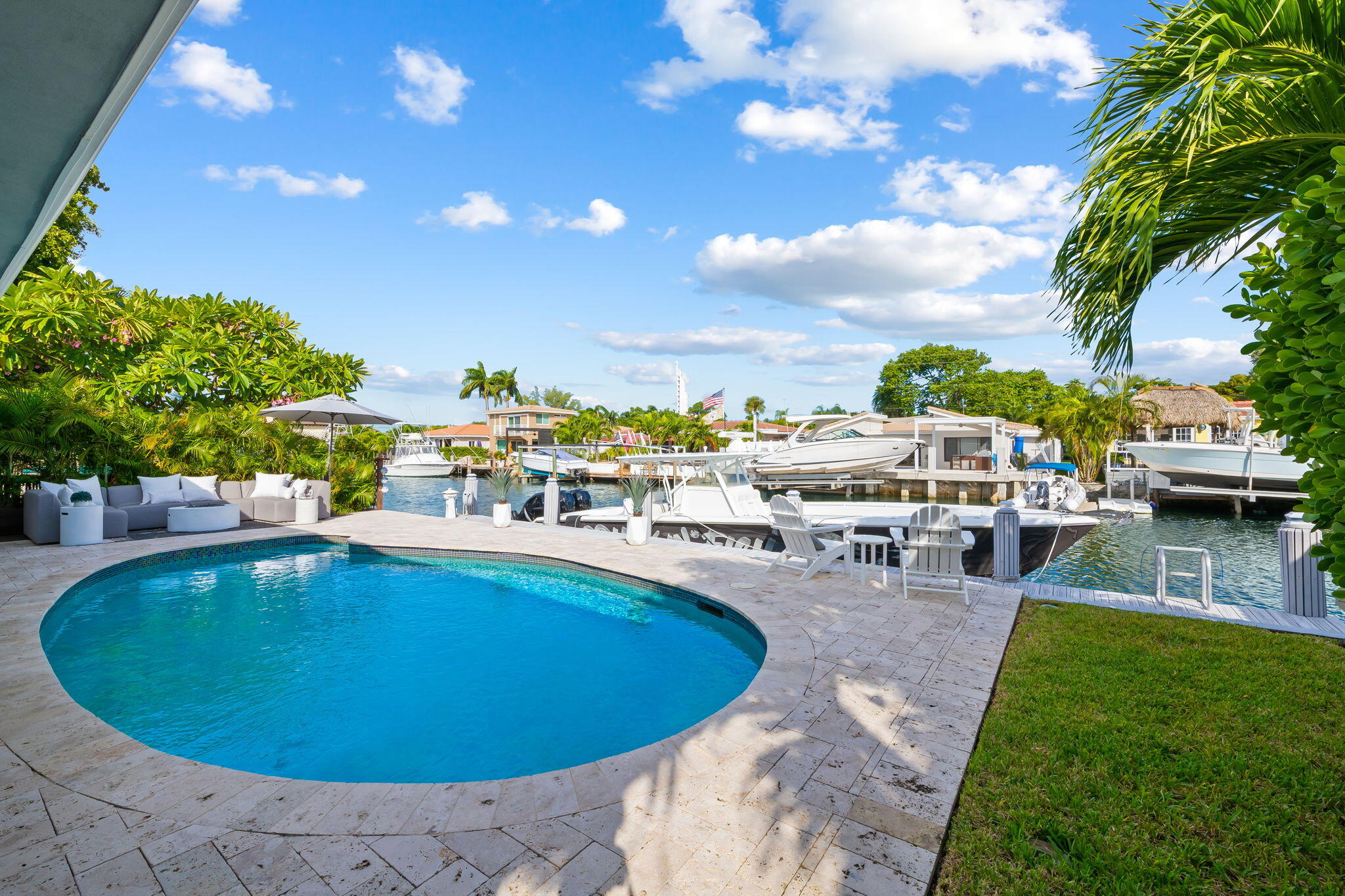
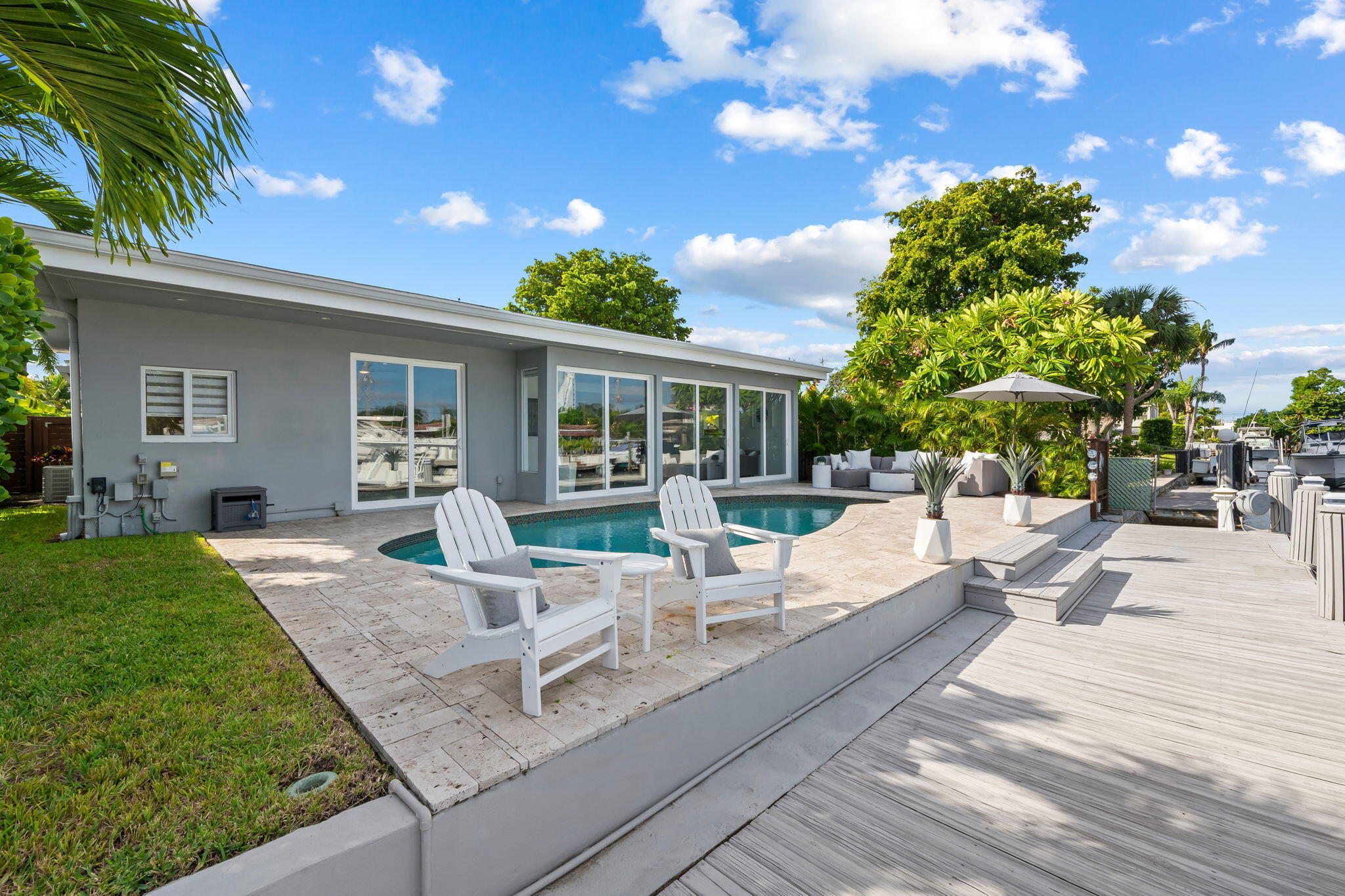
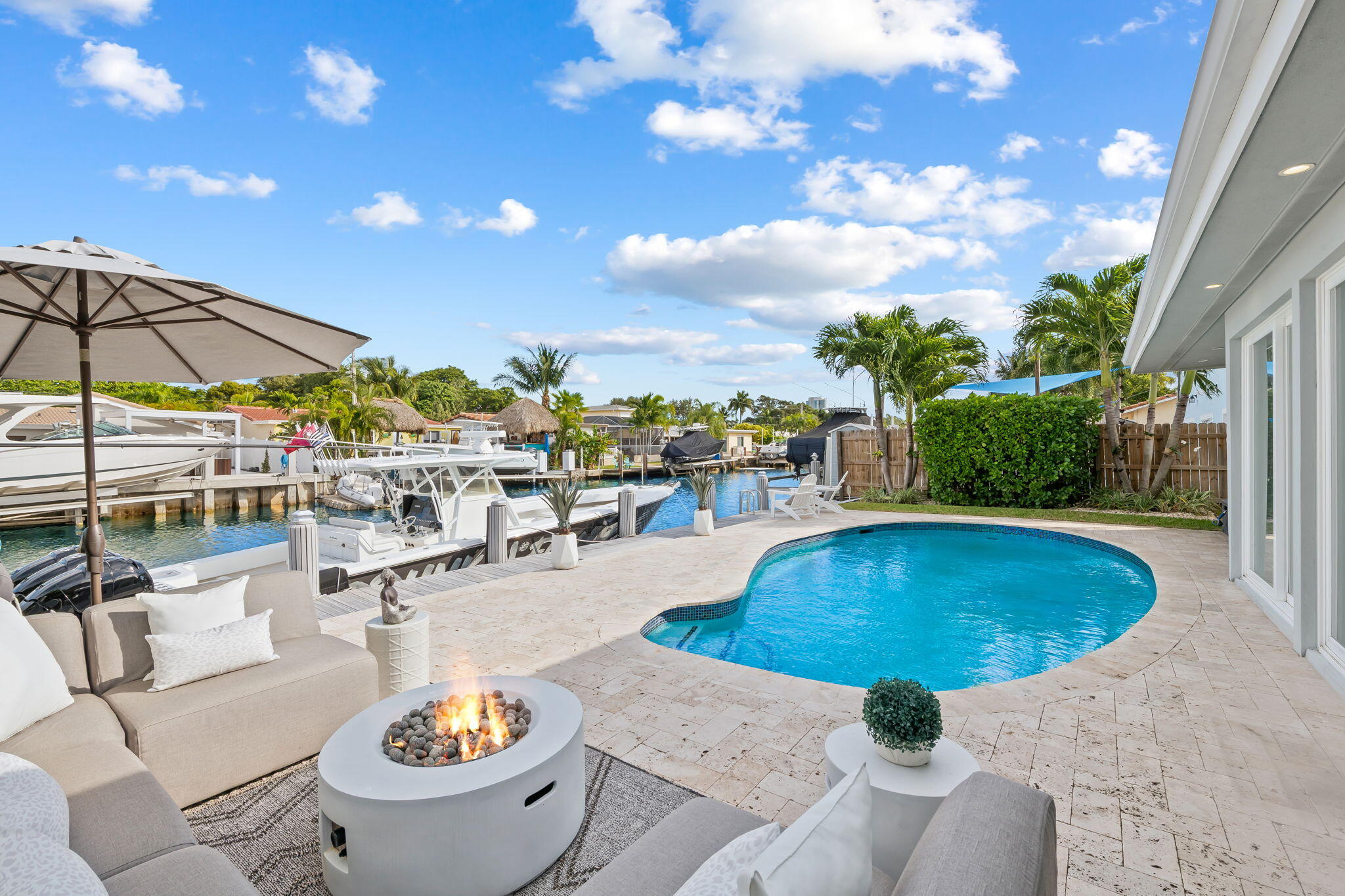
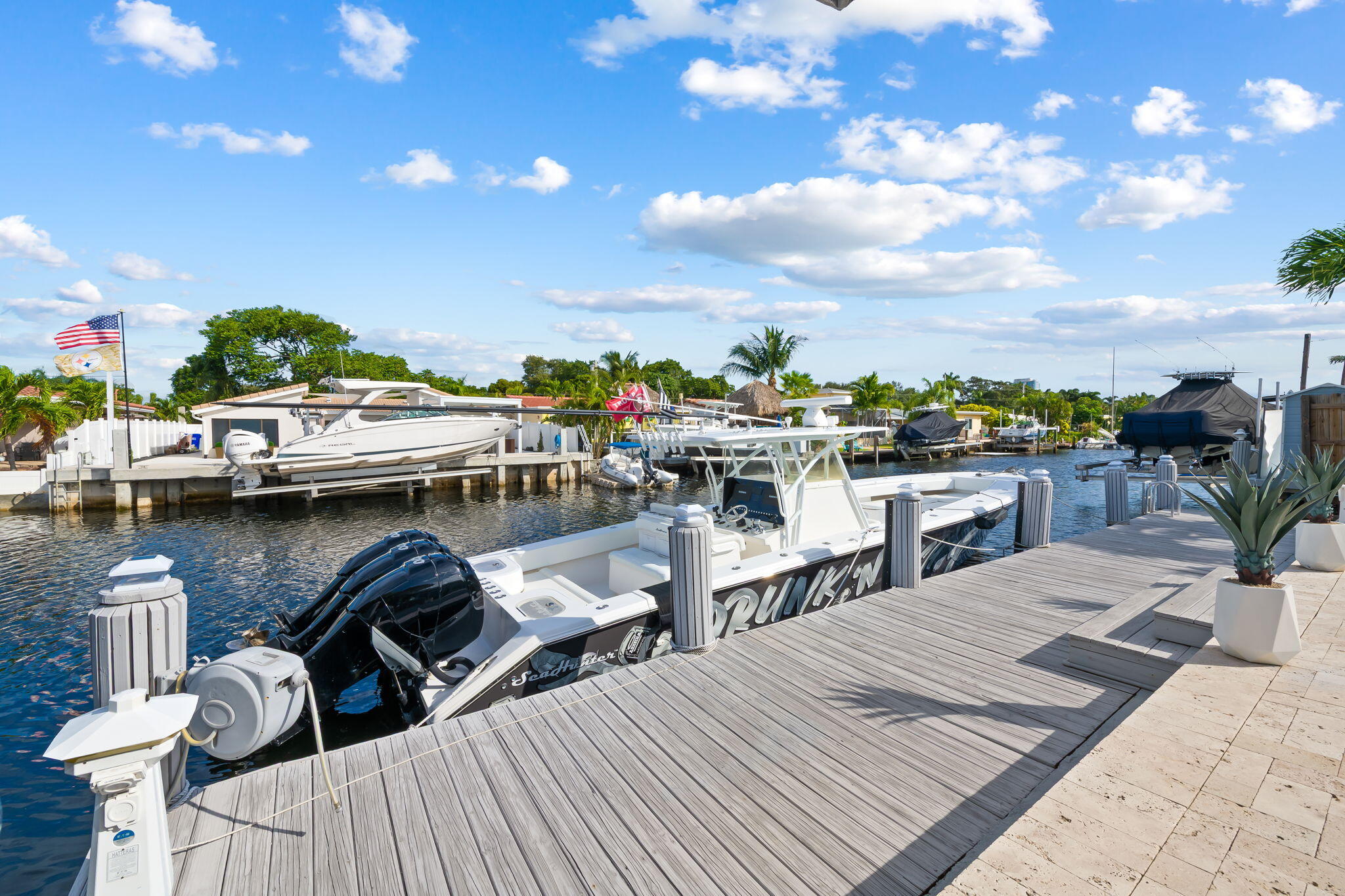
For the homeowners, however, the property's individuality created the central selling challenge.
There was no obvious comparable sale that fully reflected what had been created.
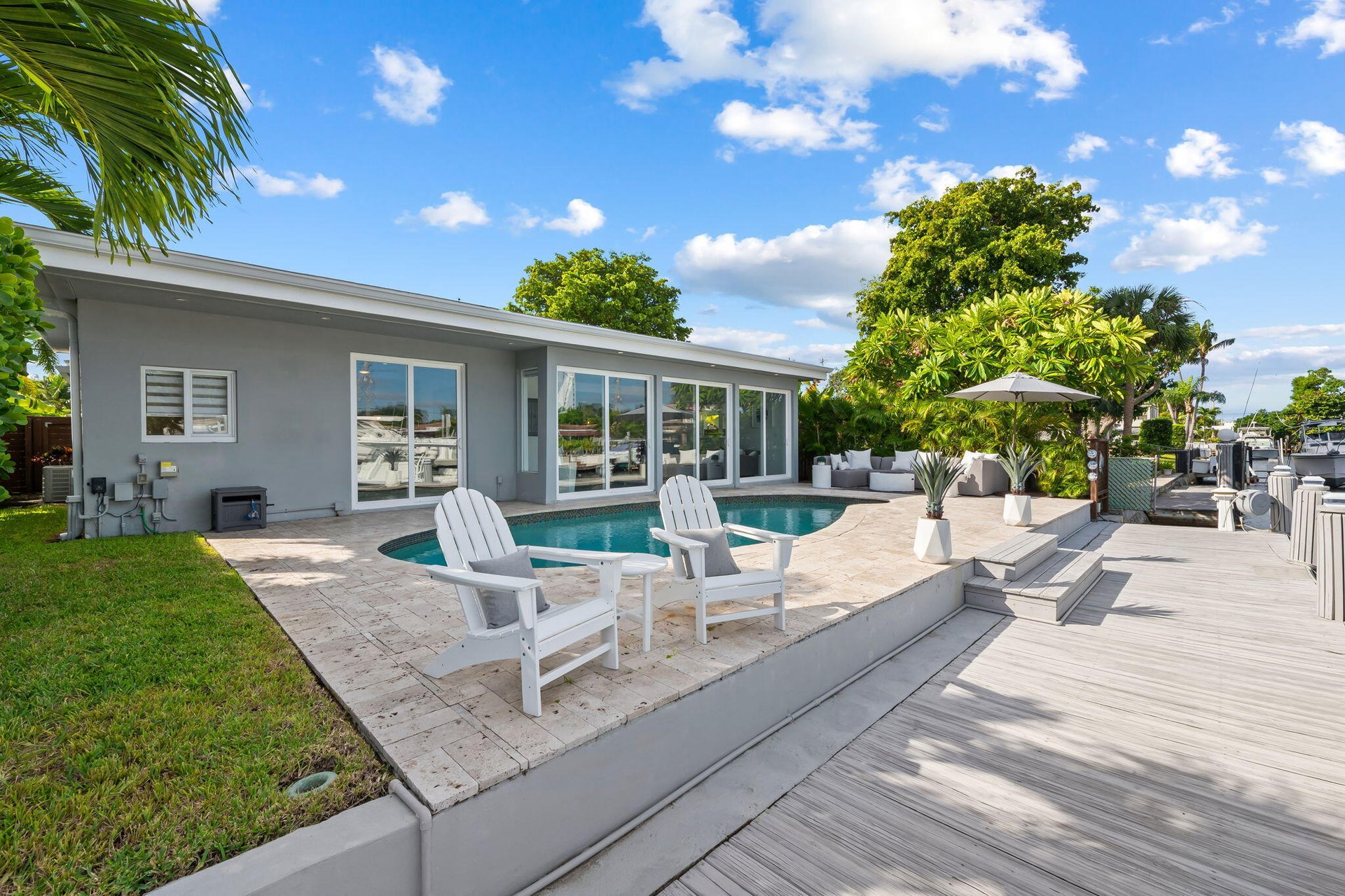
The homeowners were preparing for a lifestyle change.
They were moving from their waterfront home in Pompano Beach to a larger dry-lot property in Boca Raton. Maximizing the equity in 2331 SE 14th Street would give them greater purchasing power for that next move.
That shaped their definition of success.
They wanted to establish a new benchmark on the street for a property that was not new construction. More importantly, they had a bottom-line number they were willing to accept, and they were prepared to wait for it.
Days on market were not their priority.
Equity was.
That distinction influenced nearly every decision that followed. Instead of designing the sale around speed, we could focus on a selling strategy built around finding the buyer who would place the greatest value on what made the home different.
Pricing a distinctive renovation presents a problem that homeowners often encounter.
Comparable sales are useful because they provide evidence of what buyers have recently paid. But they become less definitive when the subject property has features the surrounding sales do not share.
For homeowners preparing to sell a distinctive property, evaluating the home's value requires looking at more than a single comparable sale.
That was the issue here.
The renovation had materially changed the experience of the home. It included an addition with vaulted ceilings and a larger primary bedroom and bathroom overlooking the water. By comparison, many homes along the street dated from earlier decades and, even when renovated, retained lower ceilings.
There was no recent sale that neatly answered the most important question:
How much would a buyer pay for the difference?
Without a directly comparable transaction, the burden shifted to the way the property was presented and marketed. We needed buyers to see why this home should not be evaluated as simply another waterfront house on the same street.
Our first step was presentation.
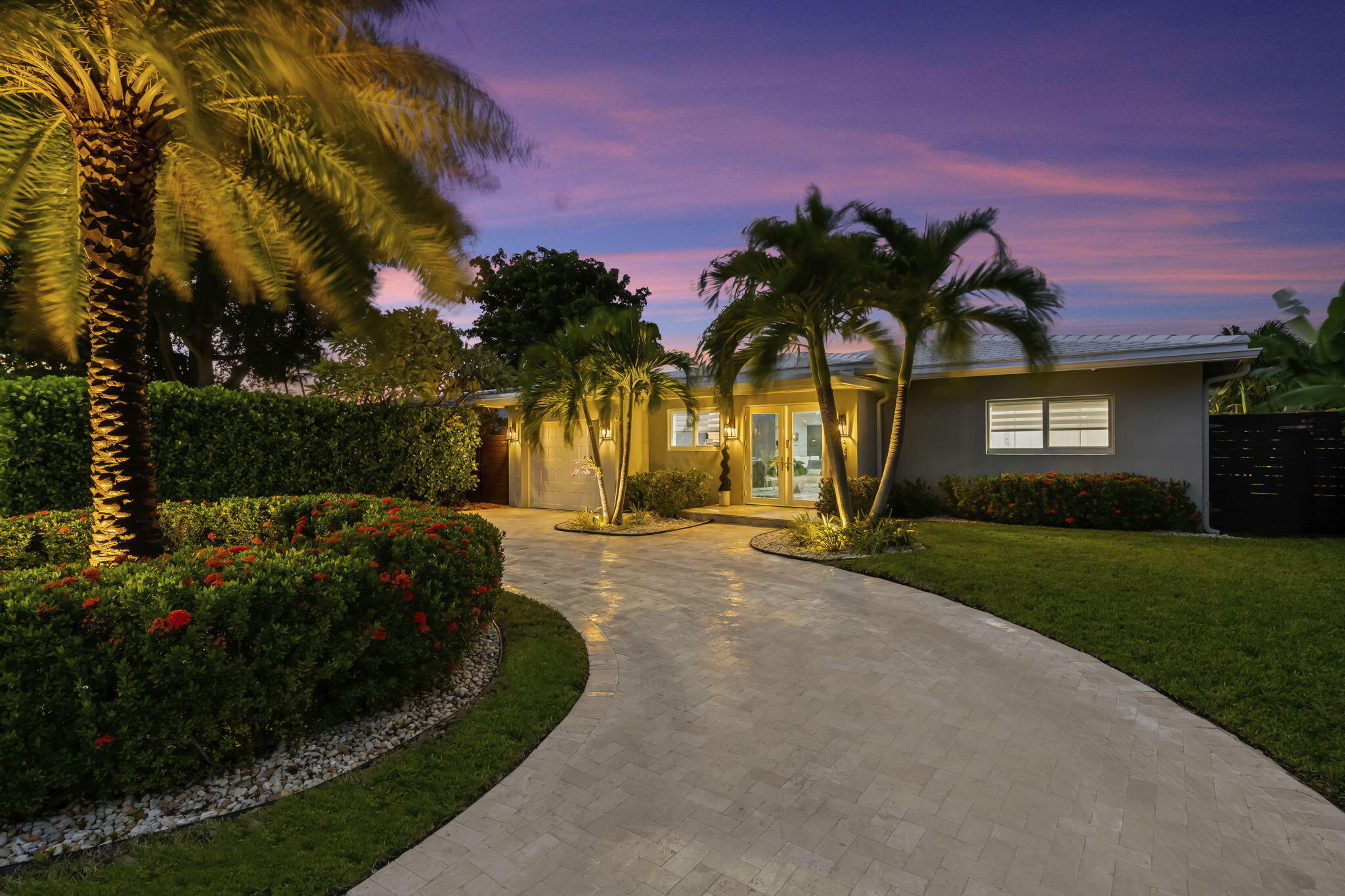
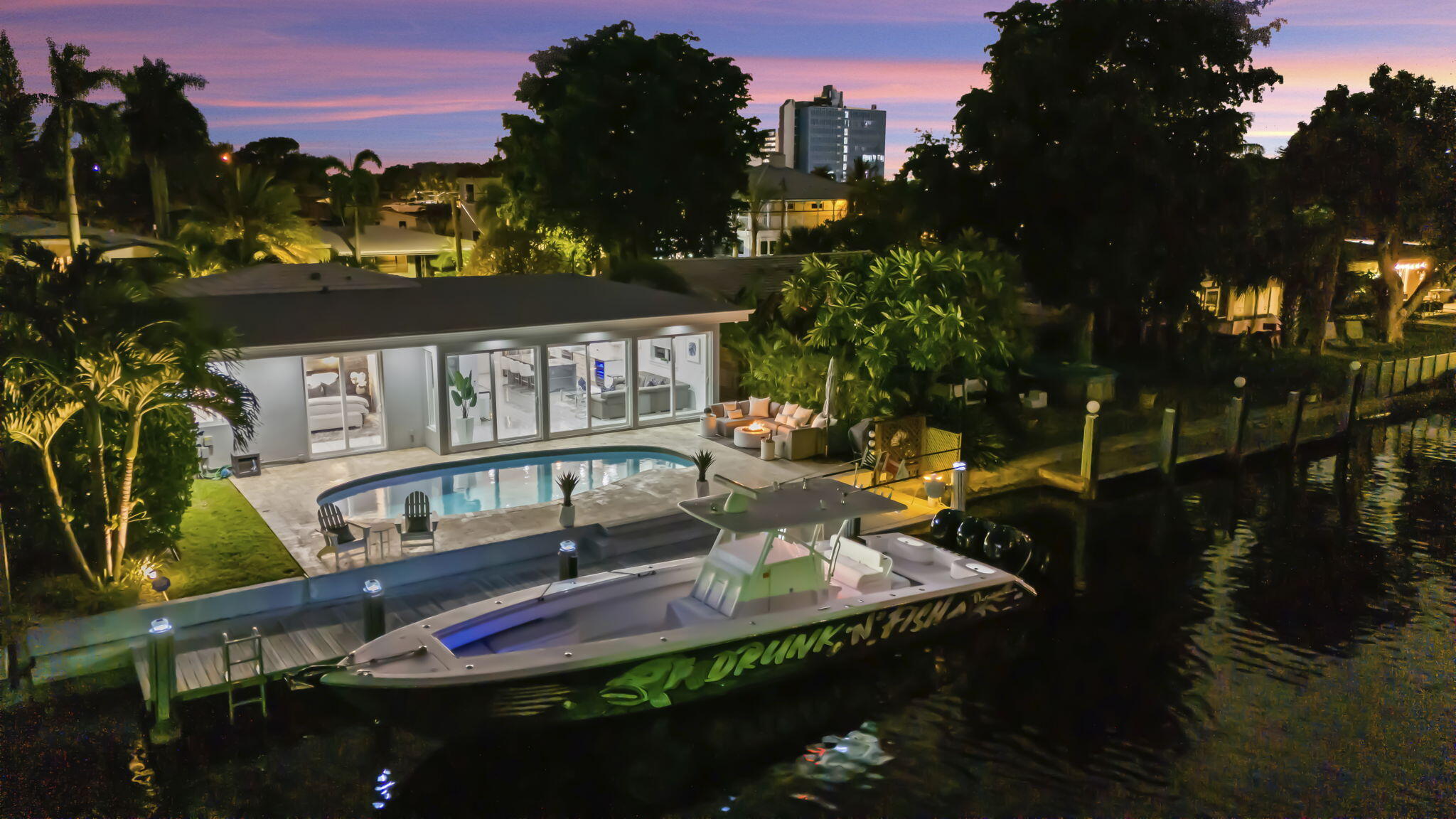
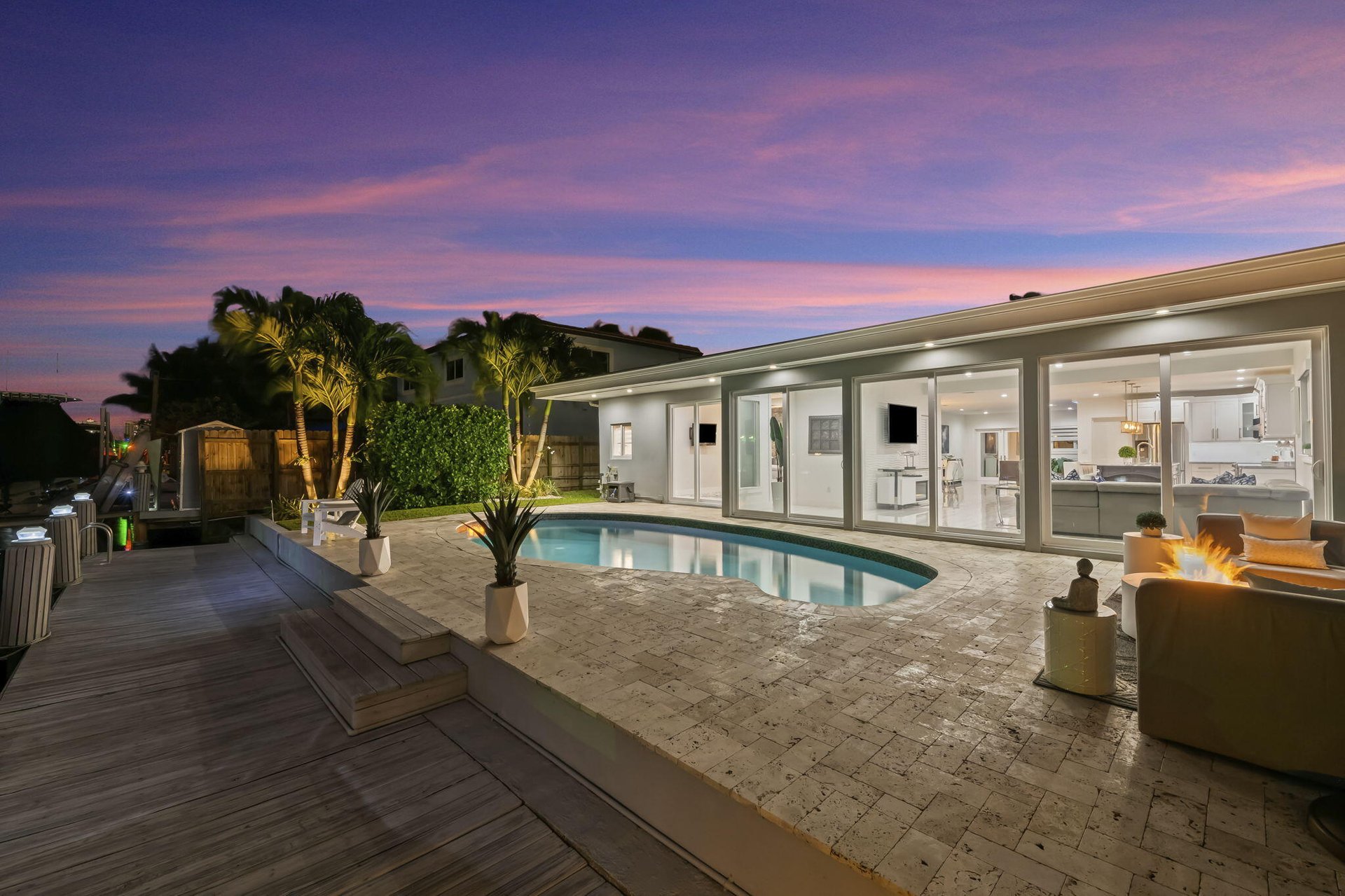
A pre-listing staging consultation prepared the home for the visual campaign. From there, we created professional photography, video, a 3D virtual tour, twilight photography, and drone imagery.
The purpose was not simply to make the listing attractive.
It was to make the property's differences visible.
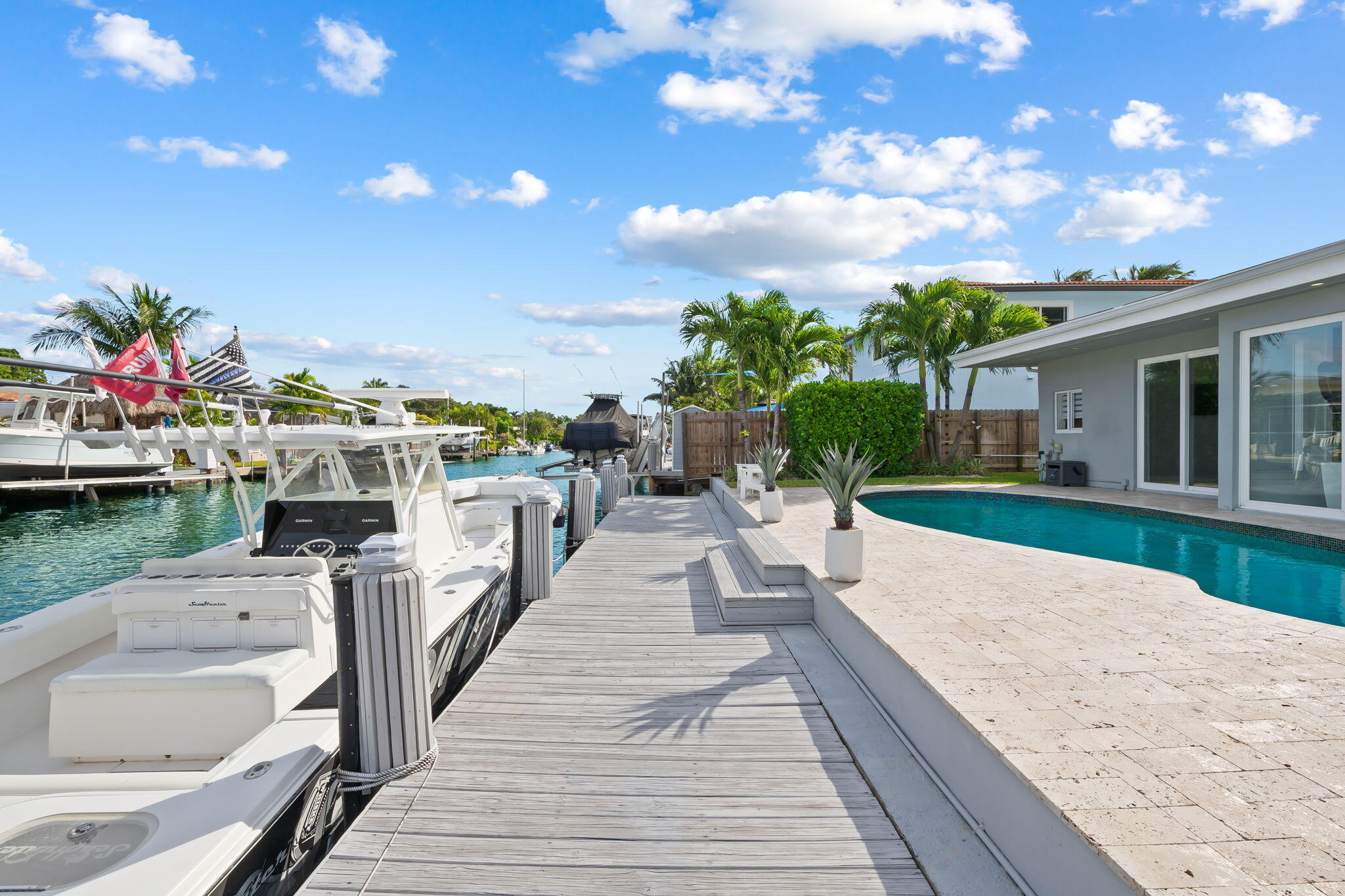
Wide visual perspectives could communicate the ceiling height. Interior photography could show the scale of the primary suite. The 3D tour could help remote buyers understand the relationship between the rooms. Drone imagery could establish the waterfront setting in a way conventional interior photographs could not.
For 2331 SE 14th Street, every element of the visual campaign served one specific purpose: separating the home visually from its competition.
The campaign also needed to answer a second question:
Why buy here?
We positioned Pompano Beach within the broader coastal market, highlighting the city's growth trajectory and presenting the property as a relative value opportunity compared with Fort Lauderdale and Lighthouse Point.
That gave buyers two ways to understand value.
The first was specific to the home: renovation, volume, waterfront views, and design.
The second was geographic: the opportunity to own a distinctive waterfront home in Pompano Beach relative to other established coastal markets nearby.
Because there was no nearly identical recent sale to rely on, buyers needed a reason to evaluate the property on its own merits rather than simply compare it with older surrounding homes.
The marketing campaign extended beyond the listing portals.
We made a substantial investment in paid advertising across Google, Facebook, Instagram, and Bing.
That decision became increasingly important as the listing matured.
A common risk with a longer marketing period is declining visibility. The home may technically remain available, but buyers who encountered it earlier can begin treating it as familiar inventory.
We took the opposite approach.
Paid advertising kept the property in front of potential buyers even as days on market increased. The objective was sustained attention rather than a short burst of exposure during launch week.
Because the homeowners were not under pressure to sell quickly, we could continue searching for the buyer who valued the home at the level the sellers needed.
Click any image to view it in detail.
The showing feedback provided an important test of the strategy.
Buyers consistently responded to the renovation. They noticed the raised ceilings, floor-to-ceiling windows, and the size of the primary bedroom, walk-in closet, and primary bathroom. The waterfront view visible from the front door created what was described as the home's “Wow” factor.
Those reactions mattered because they aligned with the qualities we had emphasized in the presentation.
The home's appeal was not theoretical. The features we had highlighted were also the features buyers noticed in person.
Over the course of the sale, the property generated 11 offers.
For the homeowners, that activity demonstrated continuing demand while allowing them to remain disciplined about the financial outcome they wanted.
There was a simple fact at the center of this transaction:
The homeowners did not have to sell.
That gave them flexibility, but only if they were willing to use it.
They had established a bottom number and were prepared to evaluate opportunities against that goal rather than making speed the primary measure of success.
That changed the role of market time.
Instead of treating every additional day as a reason to compromise, the strategy allowed the sellers to continue testing the market while maintaining their financial objective.
The marketing campaign supported that approach by continuing to generate visibility and buyer interest.
Eventually, the right combination came together.
Once an acceptable offer was secured, the focus shifted from generating demand to getting the transaction to the closing table.
The remaining stages required coordination of escrow, inspections, contract deadlines, title, financing where applicable, and closing requirements.
There was no major post-contract issue that needs to become part of the story. The meaningful milestone was simpler:
Closing day.
That was the moment the homeowners' willingness to wait became realized equity.
The result went beyond simply getting the property sold. The homeowners wanted to maximize what they could take from the sale rather than prioritize the fastest possible closing, and the final result allowed them to move forward with that goal.
The sale also demonstrated the value of giving a distinctive property enough exposure and time to find buyers who recognized the features that set it apart from surrounding homes.
The lesson from 2331 SE 14th Street is not that every seller should wait longer.
It is that the selling strategy should reflect the seller's actual objective.
When a property lacks a perfect comparable, the answer is not necessarily to force it into the pricing range of surrounding homes. The property's differences need to be made visible, the marketing needs to reach enough potential buyers to test those differences, and the seller needs enough flexibility to wait for the buyer who recognizes the value.
For these homeowners, maximizing equity mattered more than minimizing days on market.
The property generated 11 offers, and the $1,665,000 sale established the benchmark they were seeking.
The broader lesson is simple:
Maximizing value is not always about selling faster. Sometimes it means having the strategy and flexibility to wait for the buyer who recognizes what makes the property different.
Homeowners planning their next move can explore homes currently for sale to get a sense of what is available in the market.
The challenge was that nearby sales did not fully reflect the home's renovation, vaulted ceilings, enlarged waterfront-facing primary suite, and overall design. We could not rely on a single comparable to establish value, so we focused on demonstrating why the property was different and giving qualified buyers enough context to evaluate those differences on their own merits.
When a home has features that nearby properties do not share, pricing should consider more than recent sale prices. We look at the home's location, condition, renovation quality, waterfront characteristics, competing inventory, and current buyer demand. A strong pricing strategy should establish a defensible starting point while giving the marketing and buyer response enough time to reveal how the market values those unique characteristics.
Not necessarily. A longer marketing period does not automatically mean the price or strategy is wrong, particularly when the seller's priority is maximizing equity rather than achieving the fastest possible sale. We evaluate buyer feedback, showing activity, competing inventory, and market conditions before deciding whether a change is warranted. The right response depends on what the evidence is telling us.
A distinctive home needs a selling strategy built around what actually makes it different. When comparable sales are limited, presentation, marketing reach, pricing, buyer feedback, and the seller's timeline all become part of the value equation. The strongest strategy is not necessarily the fastest one. It is the one aligned with the property's strengths and the seller's actual objective.
Considering selling a luxury or waterfront property? Request a home valuation to better understand how your property's features, location, and current market conditions may influence its value.
Want to see what sellers say about working with our team? Read our seller reviews to learn about their experiences.
Want to learn more about the areas we serve? Explore our South Florida neighborhoods to see where our team provides real estate services.
Photography by AccuTour
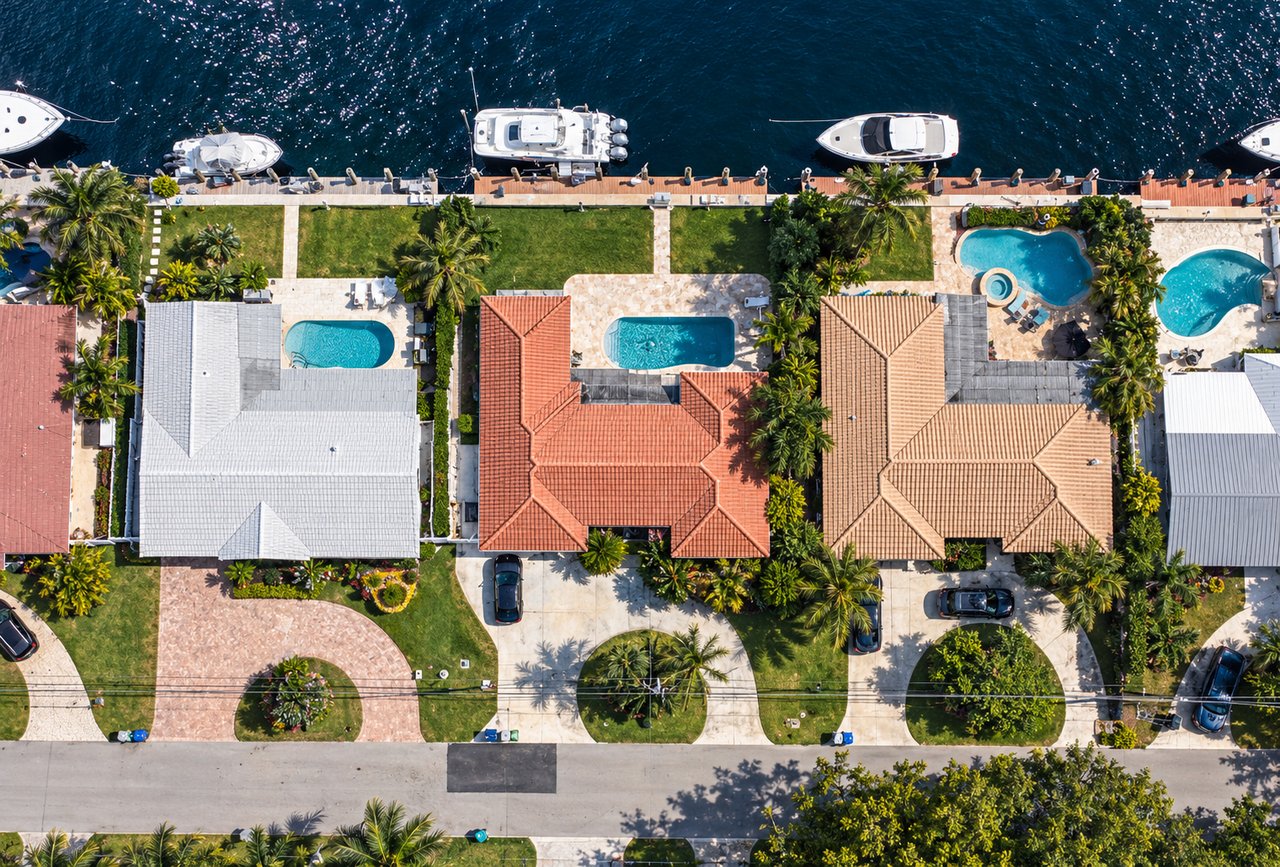
Pompano Beach
Keeping a Pompano Beach waterfront sale moving as COVID-19 changed the market.
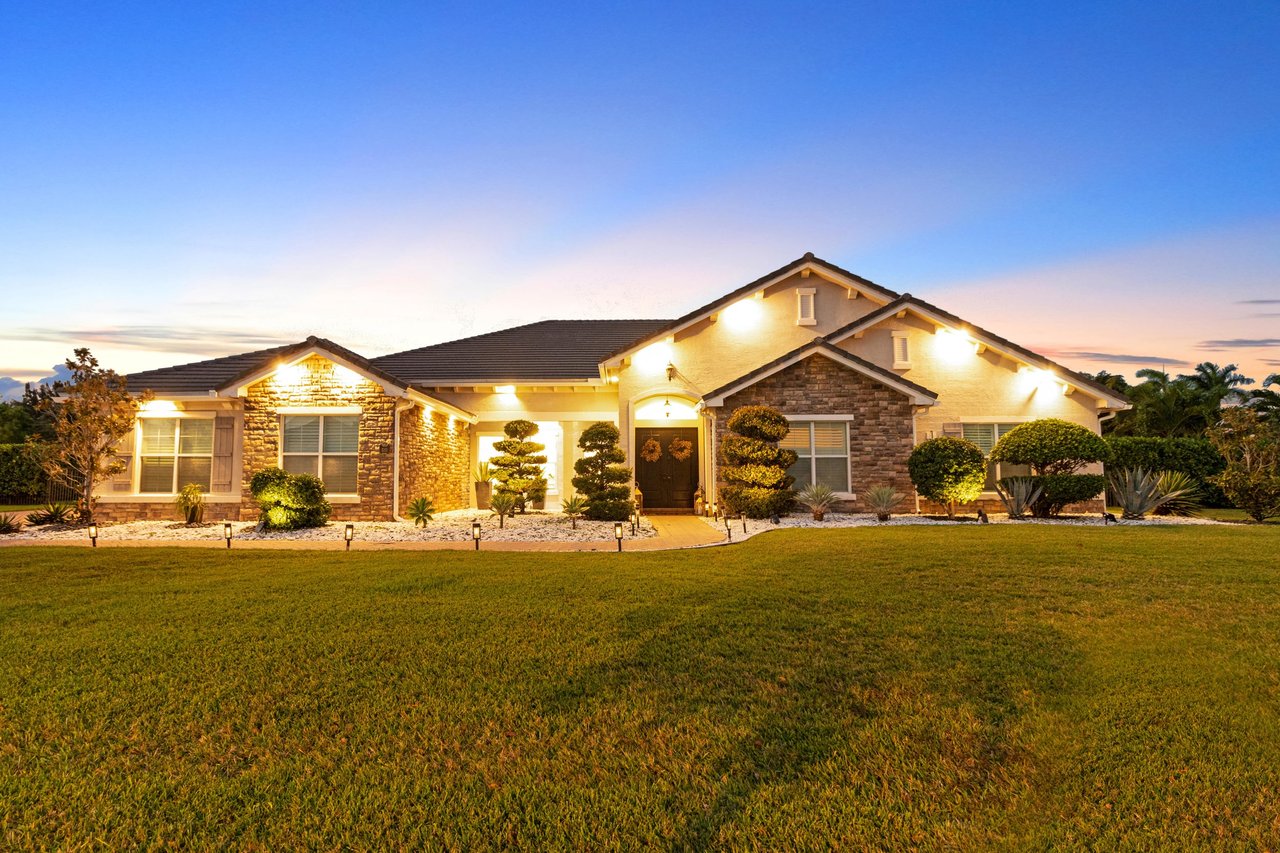
Davie
Preparing for appraisal while making the home's upgrades easy to see in Davie, Florida.

Pompano Beach
Using future-value positioning and targeted marketing to keep buyers engaged as expectations rose in Pompano Beach.
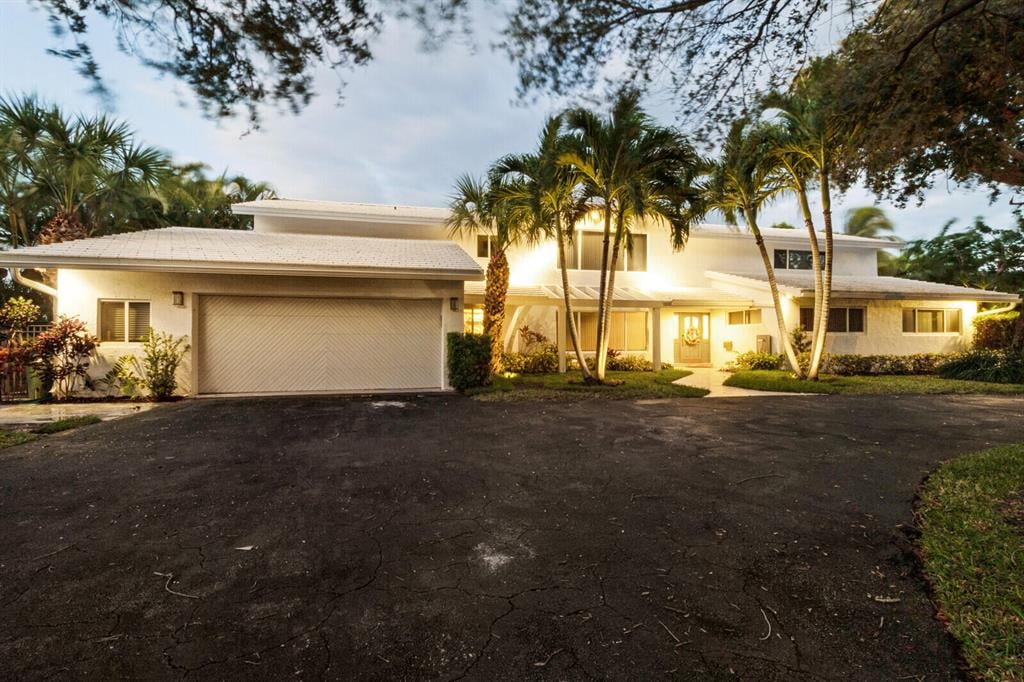
Fort Lauderdale
Giving buyers a credible path beyond the home's biggest objection in Fort Lauderdale.
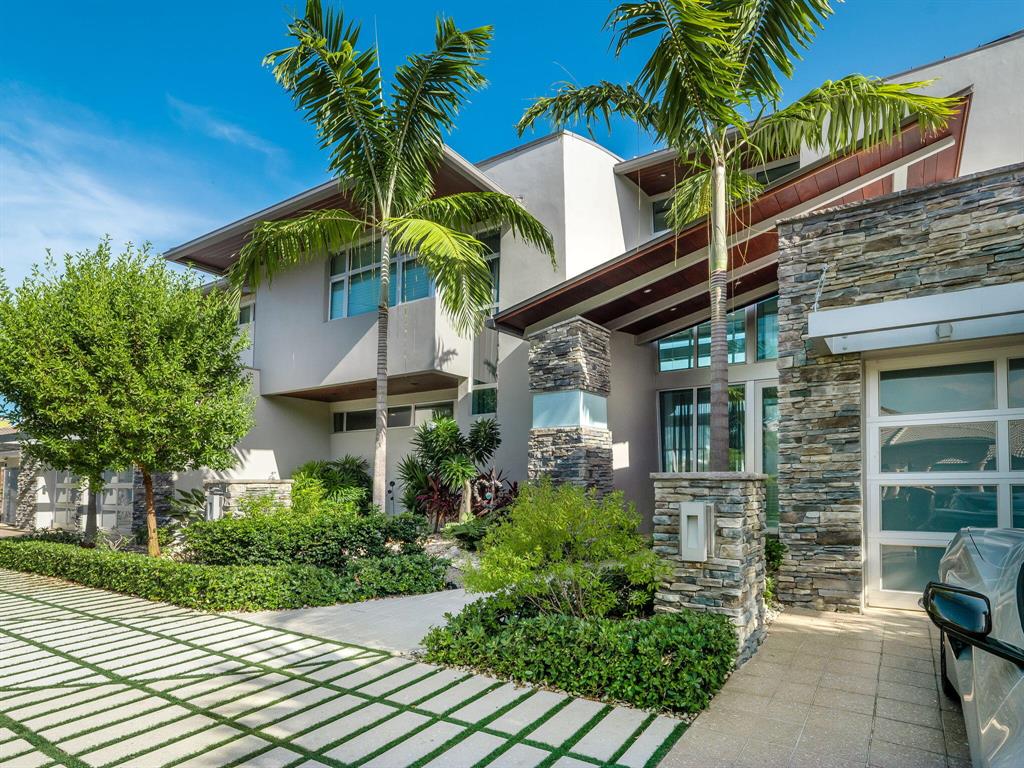
Pompano Beach
Reframing exceptional waterfront value beyond traditional comparables in Pompano Beach, Florida.
Fort Lauderdale
Replacing a failed first impression with a complete marketing relaunch in Fort Lauderdale, Florida.
Every home is unique. Let's build a customized marketing strategy tailored to your goals to maximize your home's value.