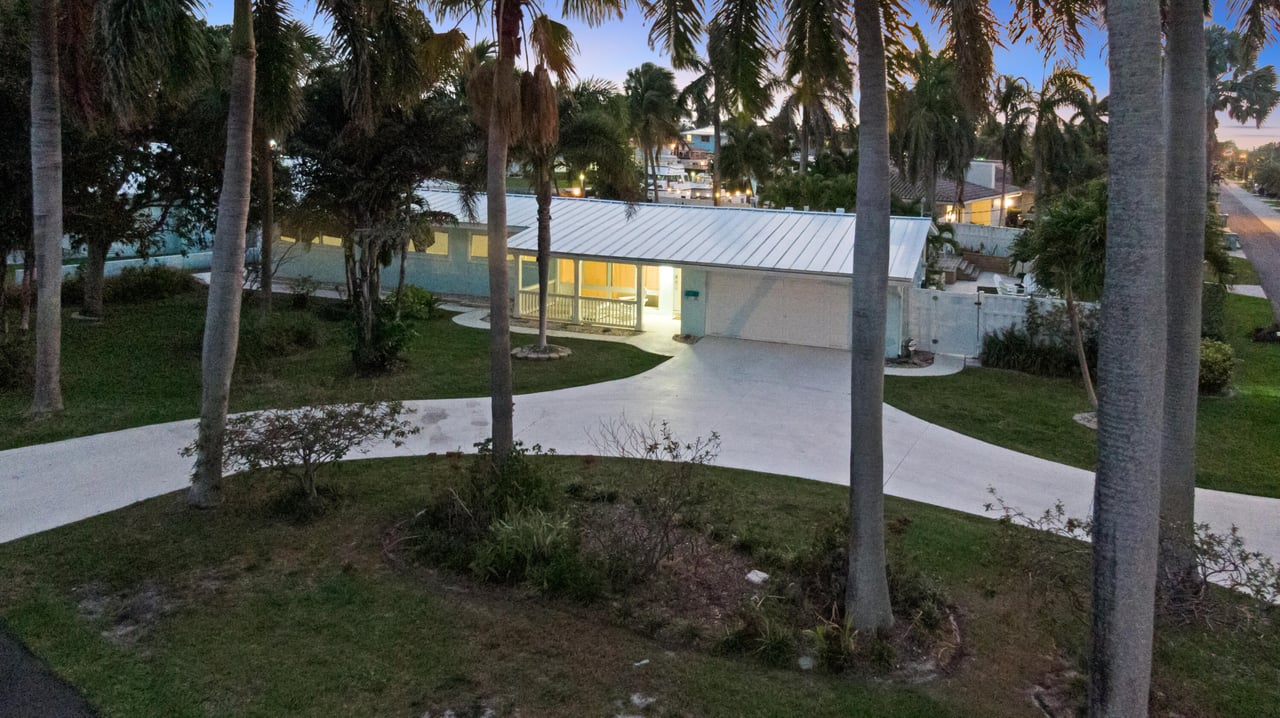
How We Turned a Non-Waterfront Challenge Into a $50,000 Over-Ask Sale in Harbor Village
Pompano Beach
Pompano Beach
At 2780 NE 5th Street in the Harbor Village neighborhood of Pompano Beach, Florida, the sale required a strategy that addressed the home's non-waterfront location while highlighting the outdoor lifestyle it offered. The transaction demonstrated how we:
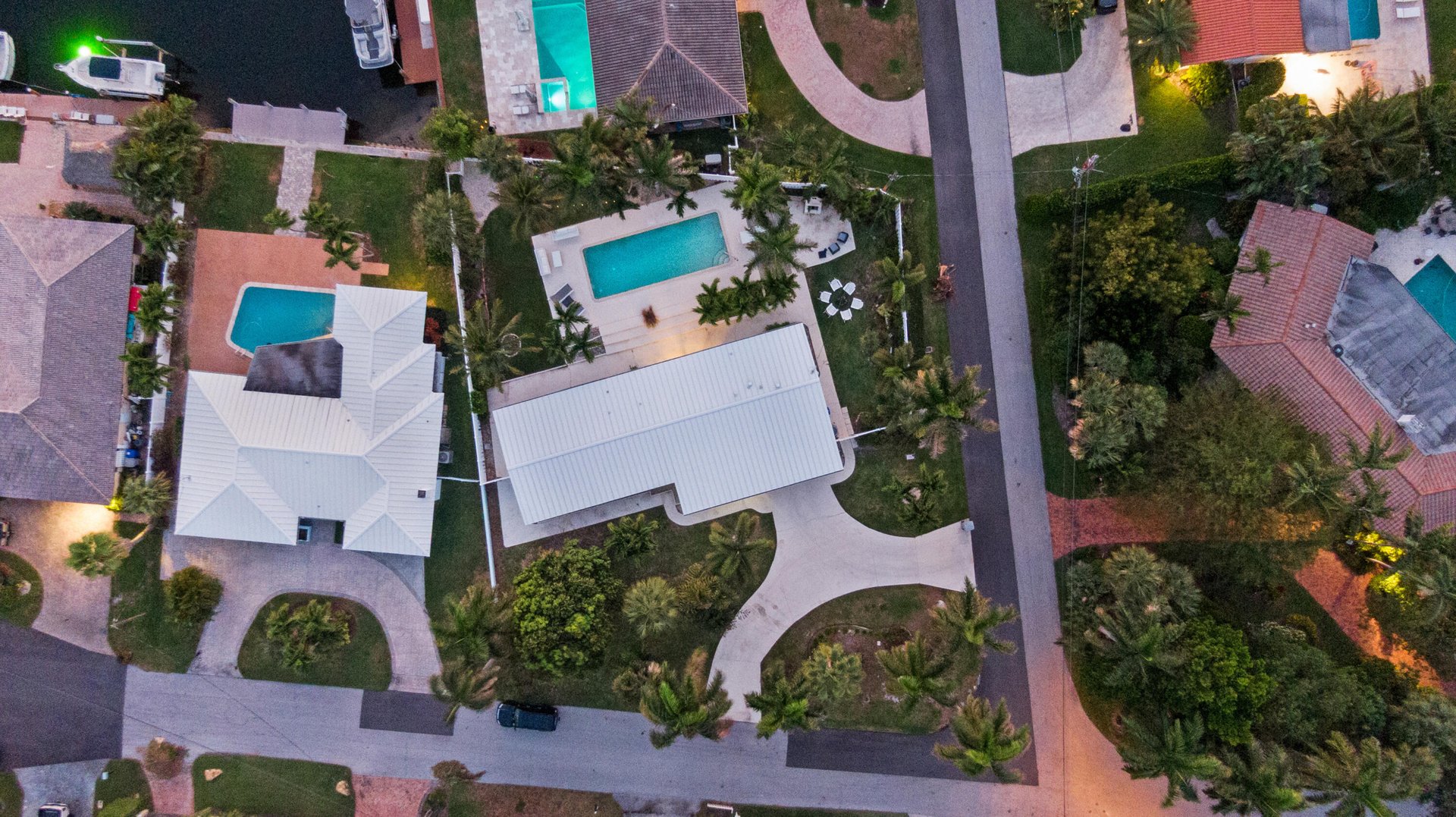
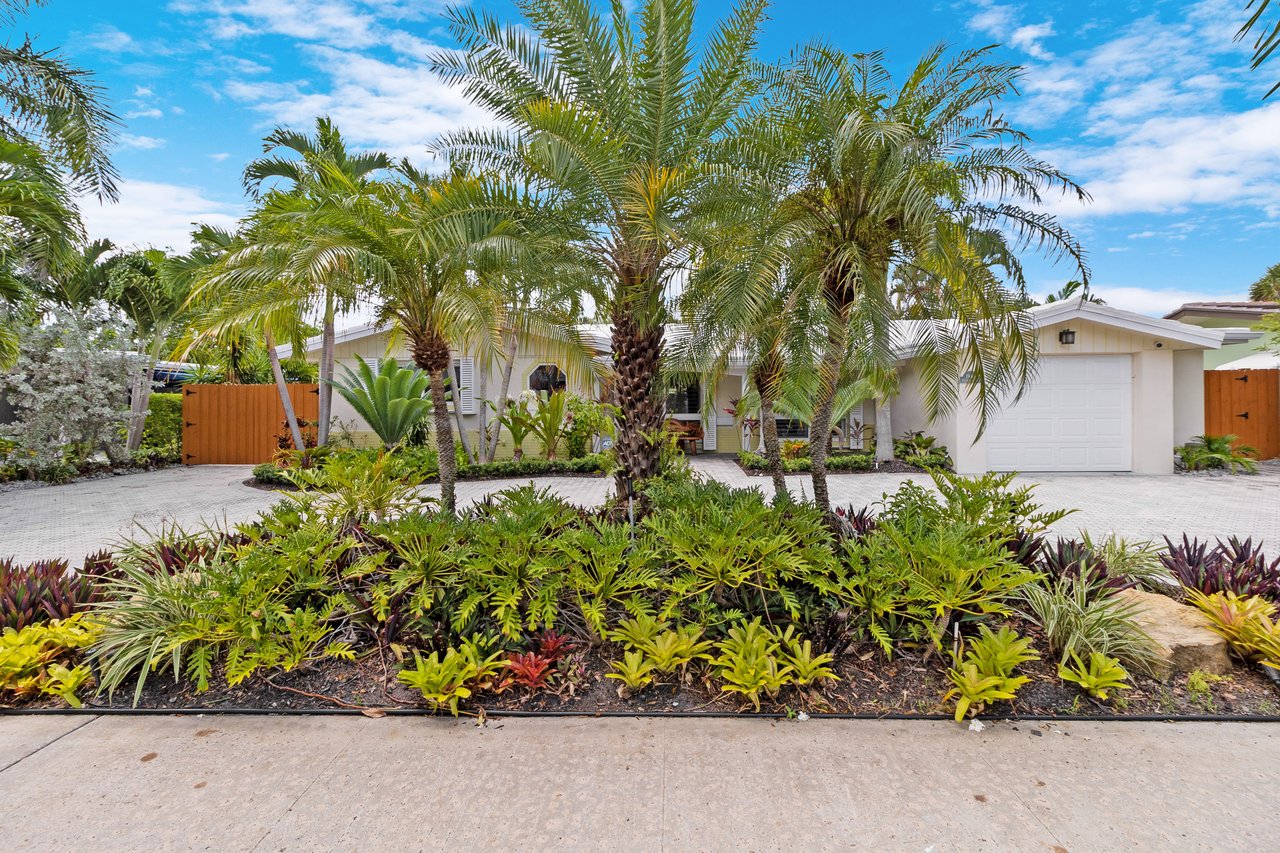
Located at 2780 NE 5th Street in Pompano Beach's Harbor Village, the three-bedroom, two-bathroom home offered 1,614 square feet of living space on a 0.31-acre corner lot. Although surrounded by waterfront properties, the home itself was not waterfront.
That distinction would become central to the sale.
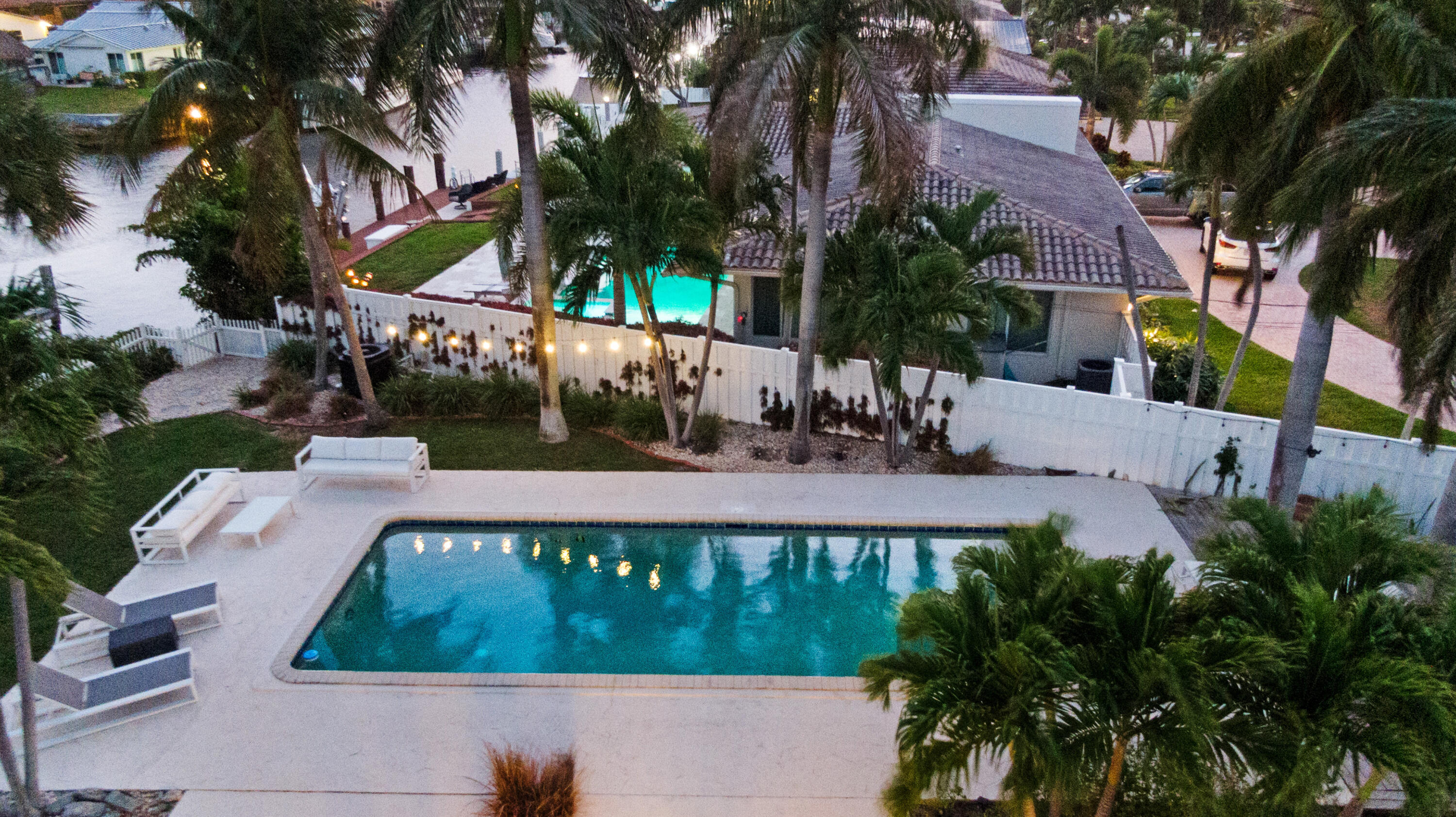
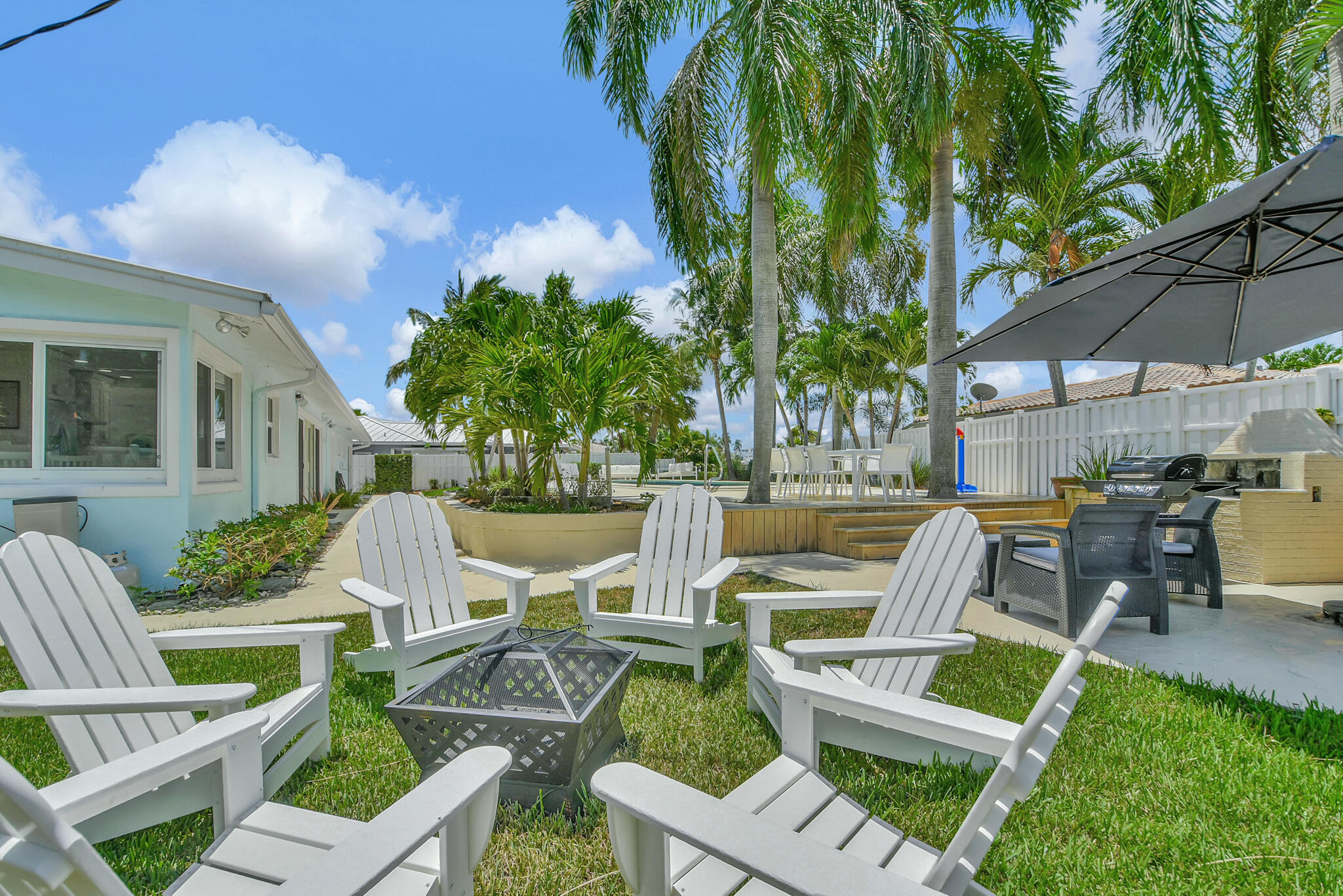
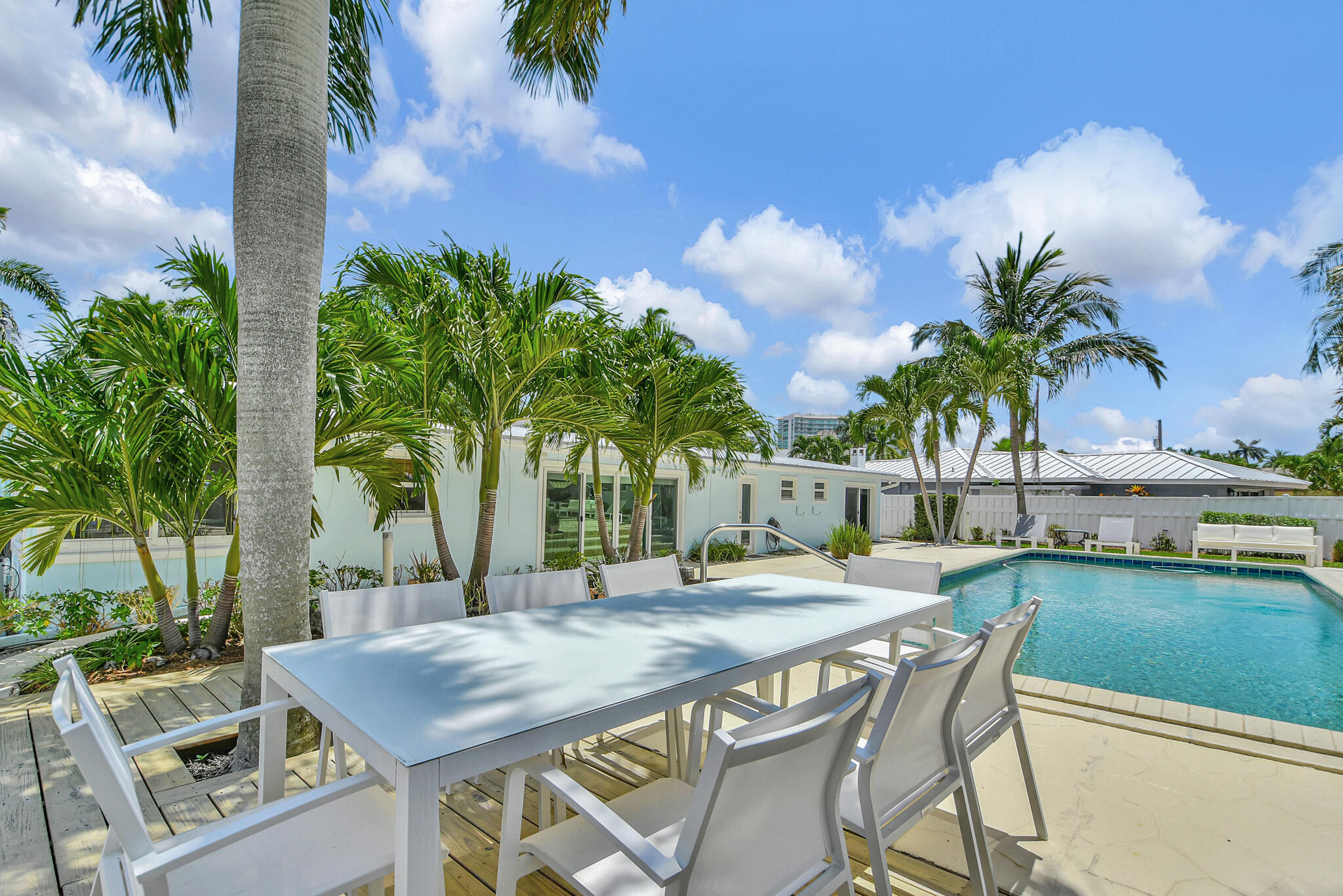
The home's strongest physical asset was outside. Its oversized lot provided an expansive backyard centered around a heated 40-foot pool, substantial pool deck, grassy areas and fire pit. The property also offered space that could accommodate a boat or RV, while the intake identified additional possibilities such as a playground, bocce court or other backyard recreation.
Click any image to view it in detail.
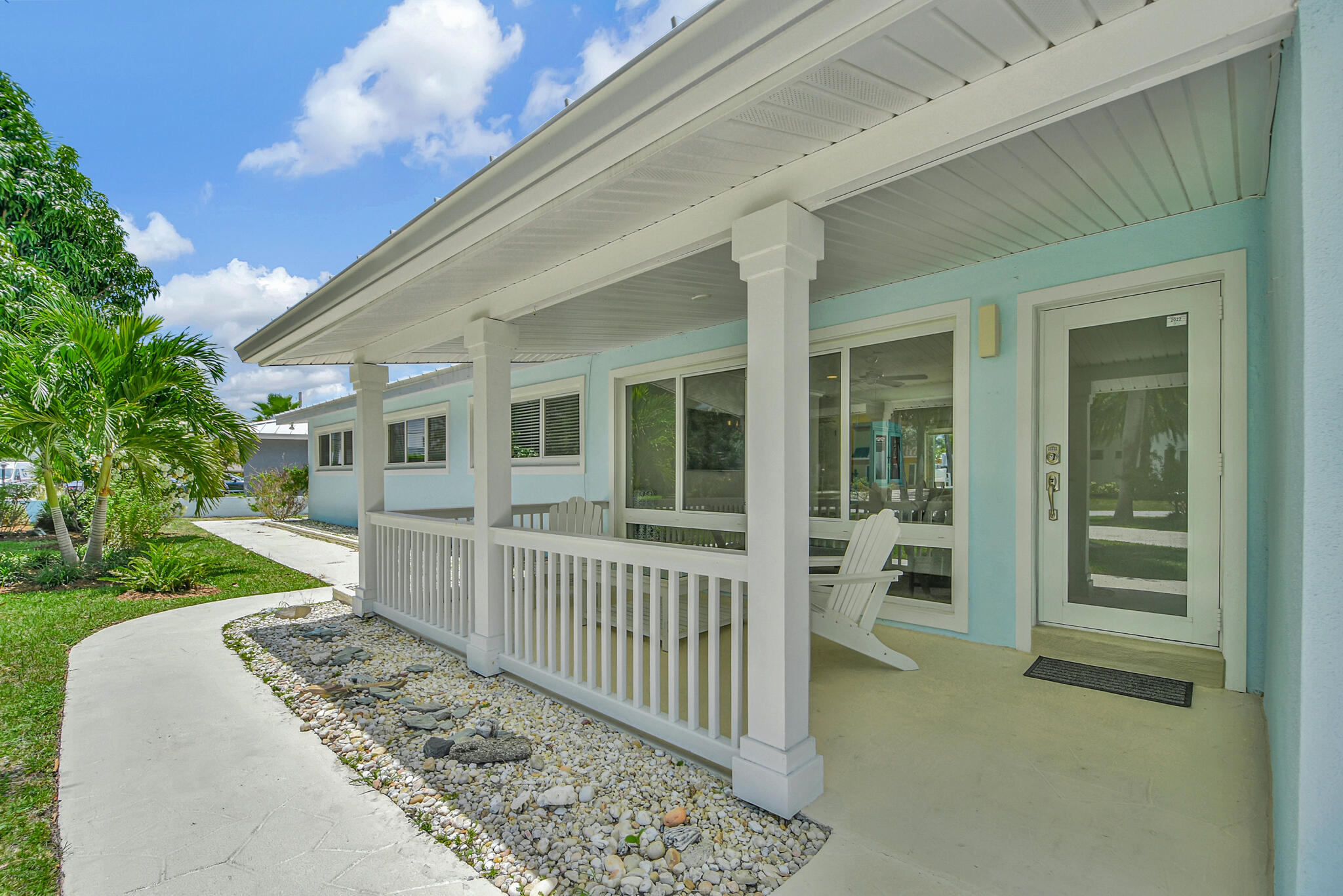
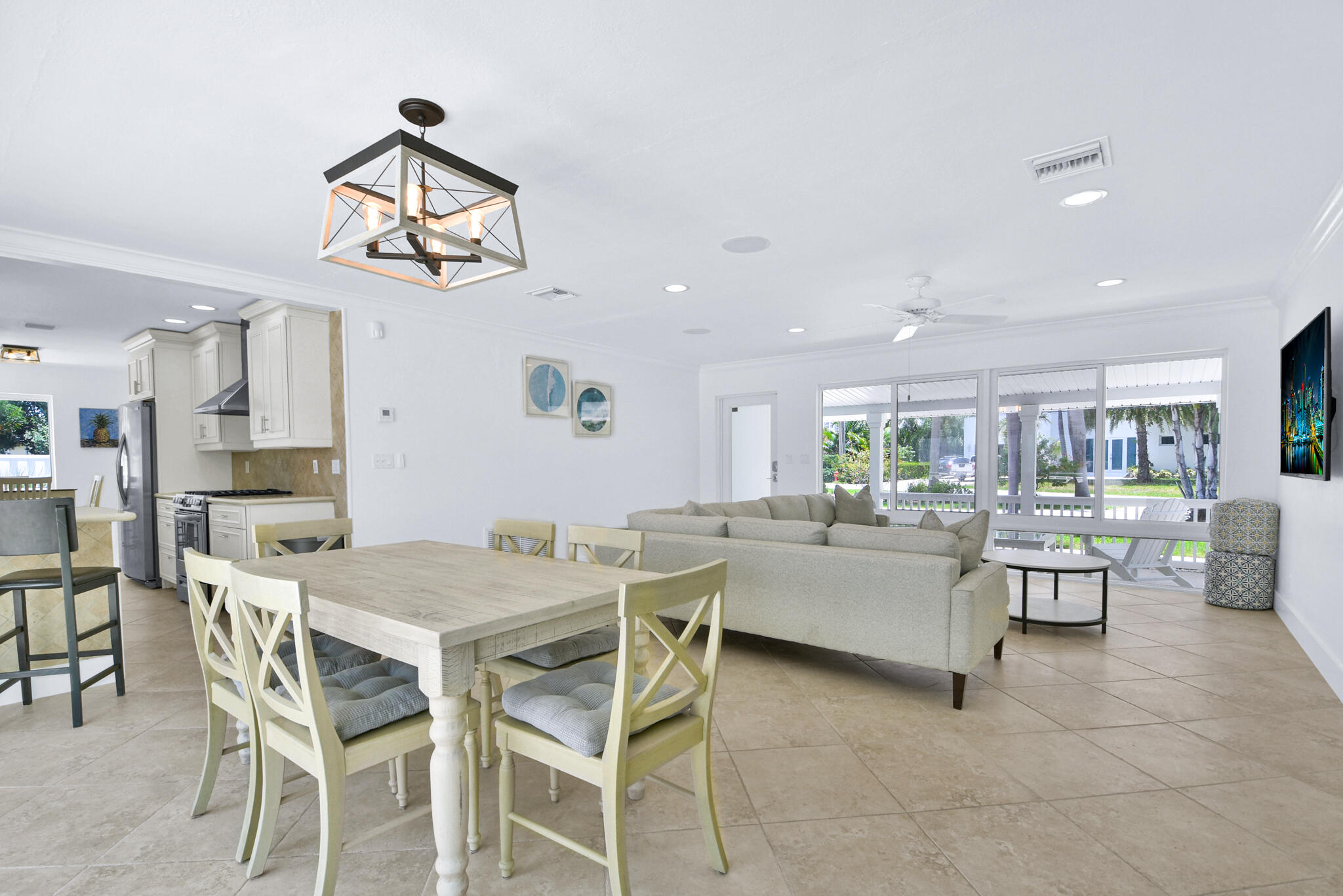
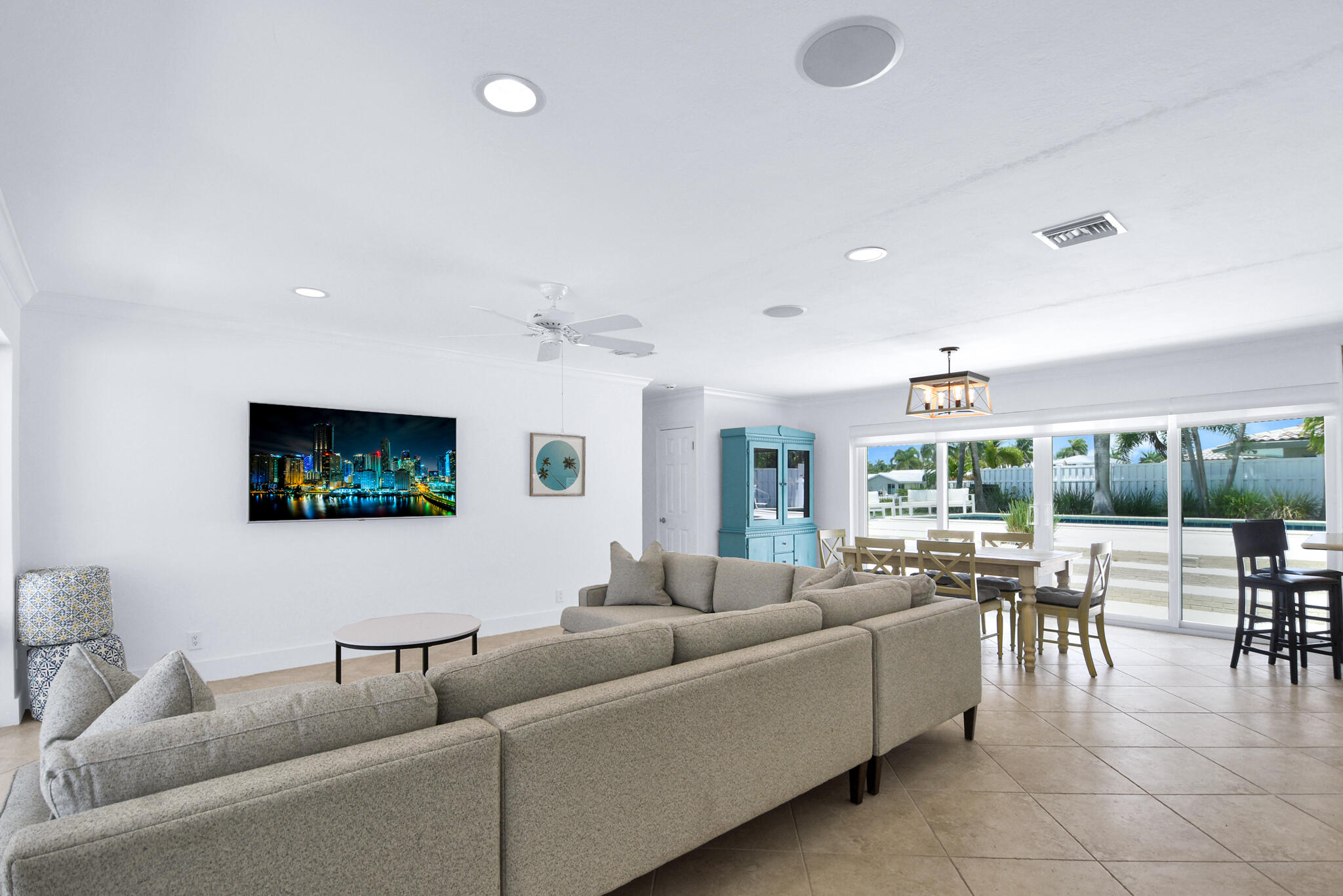
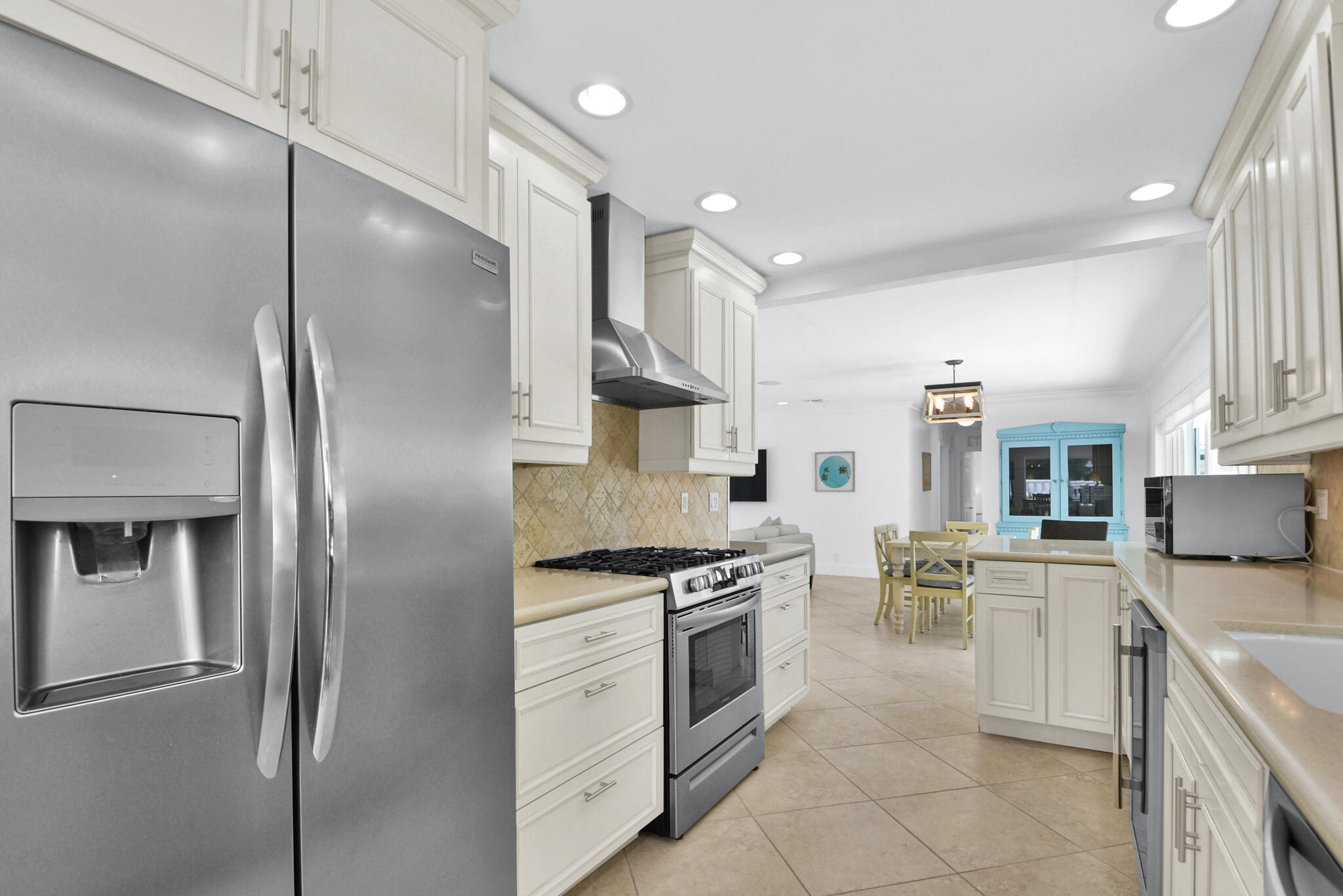
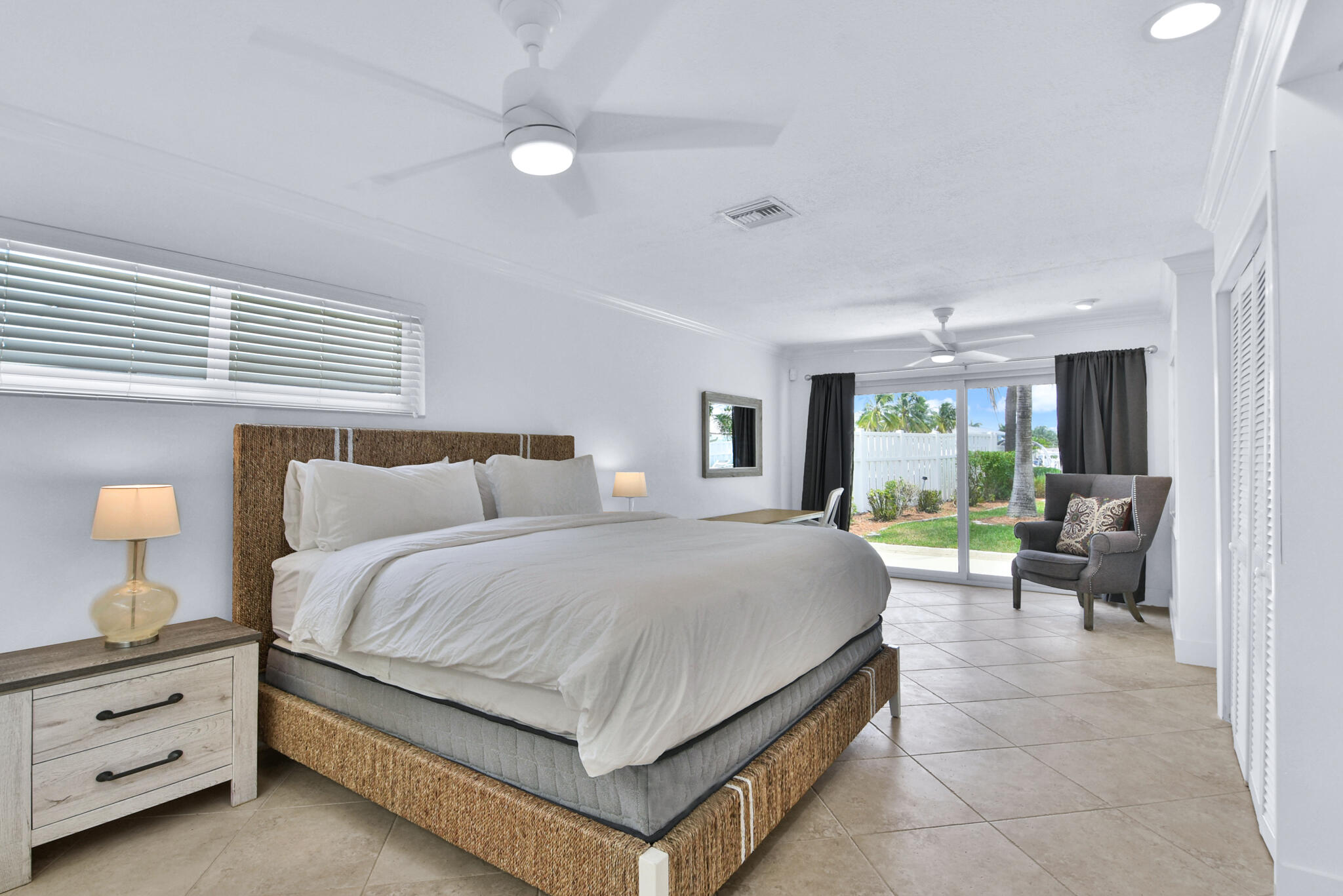
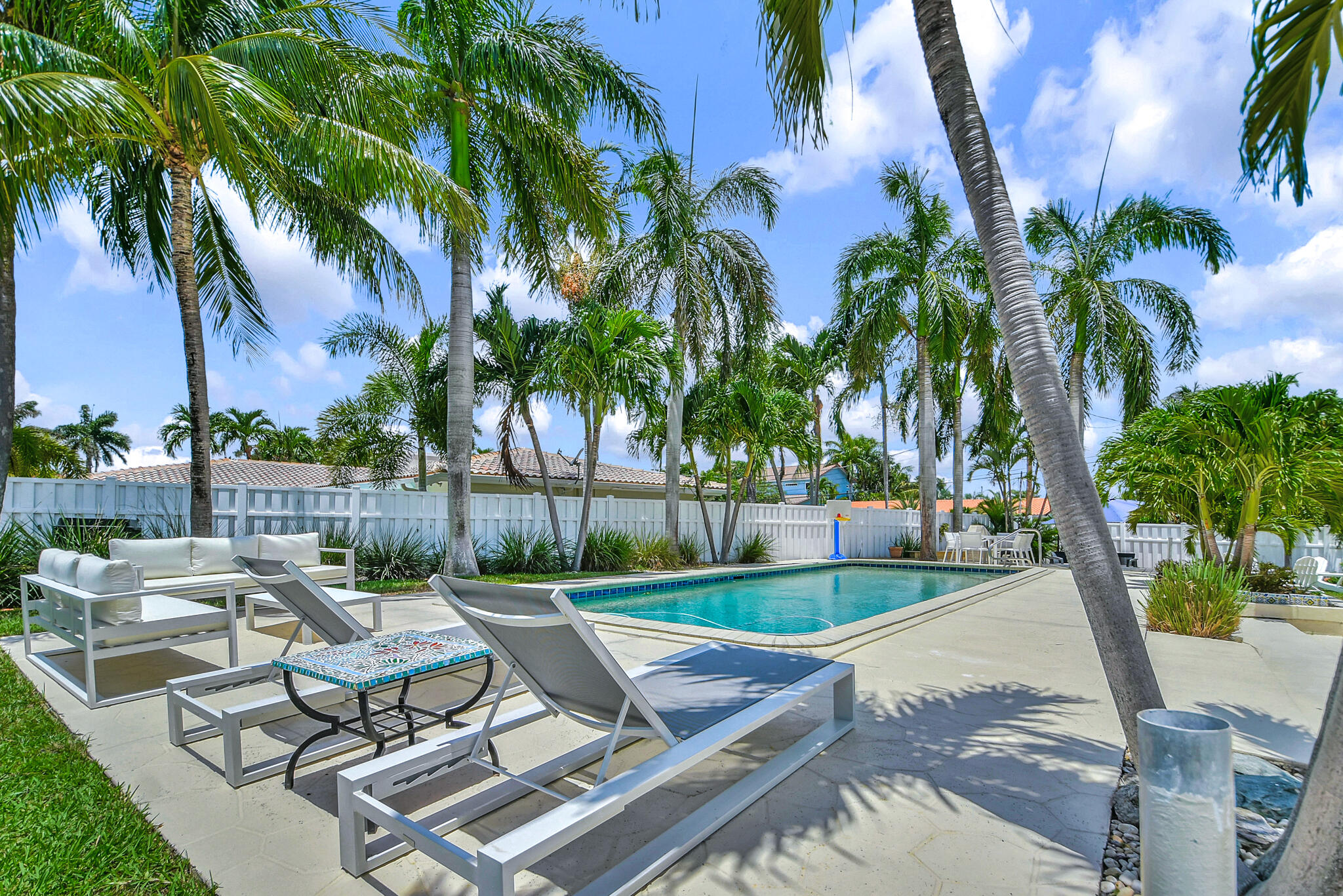
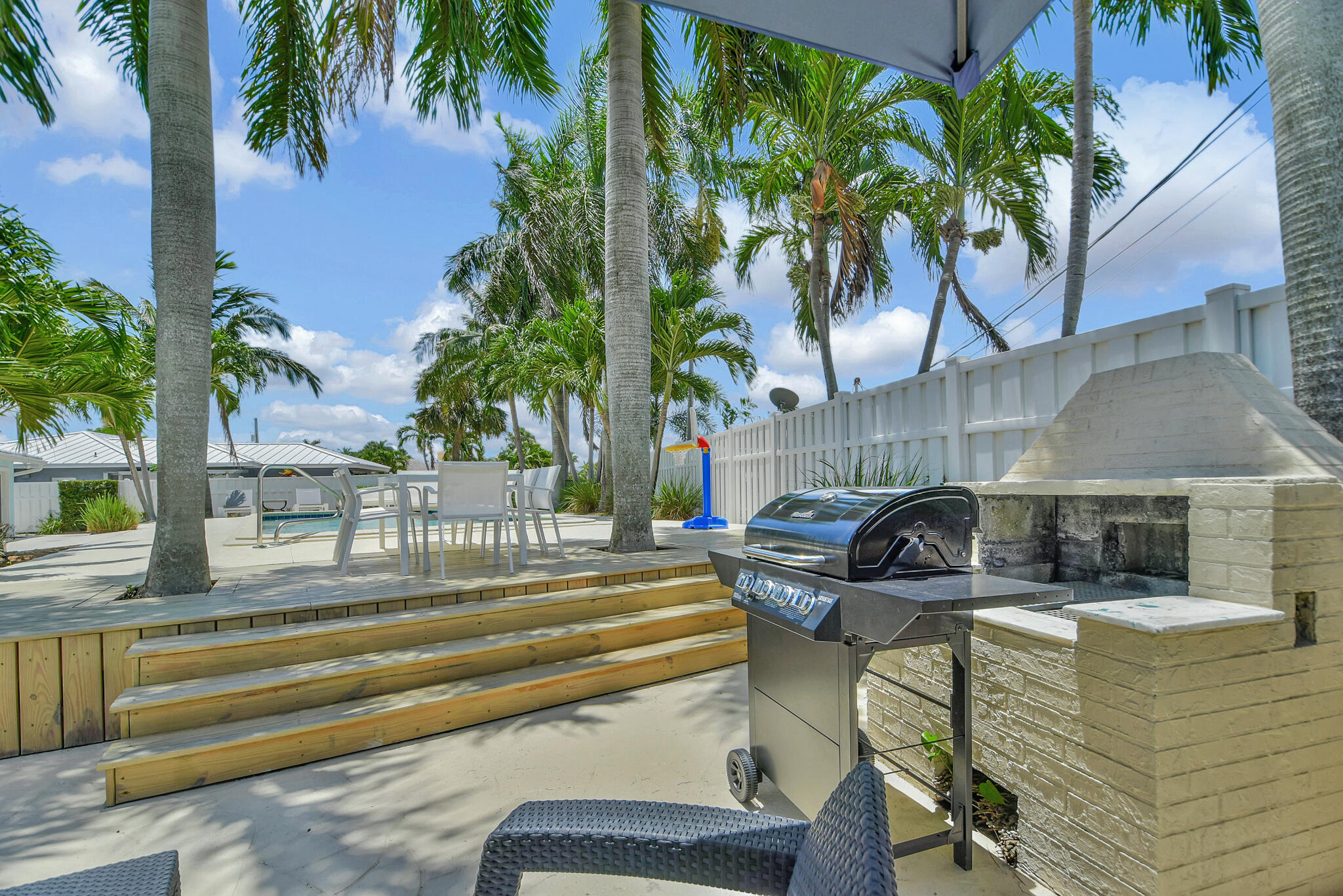
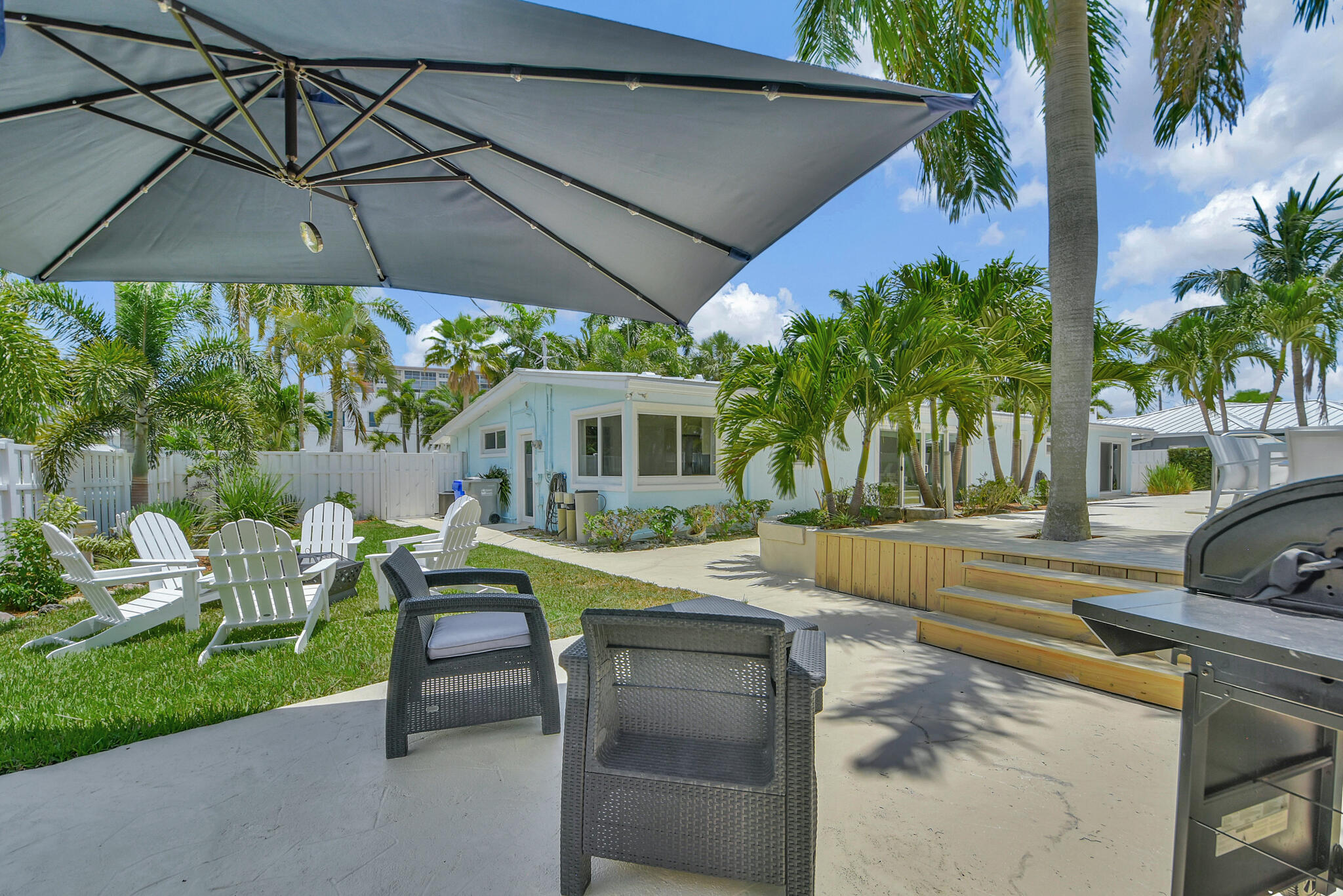
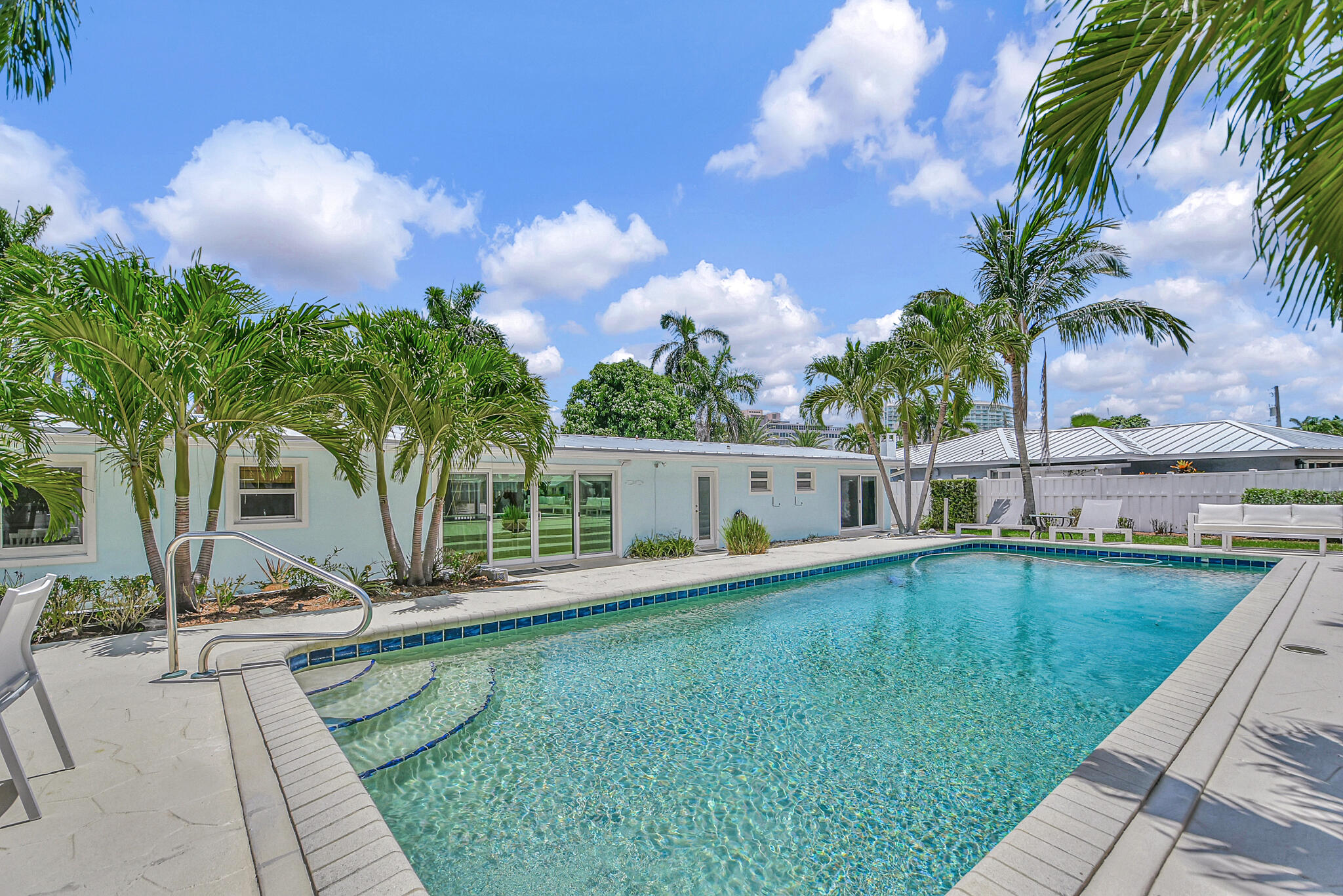
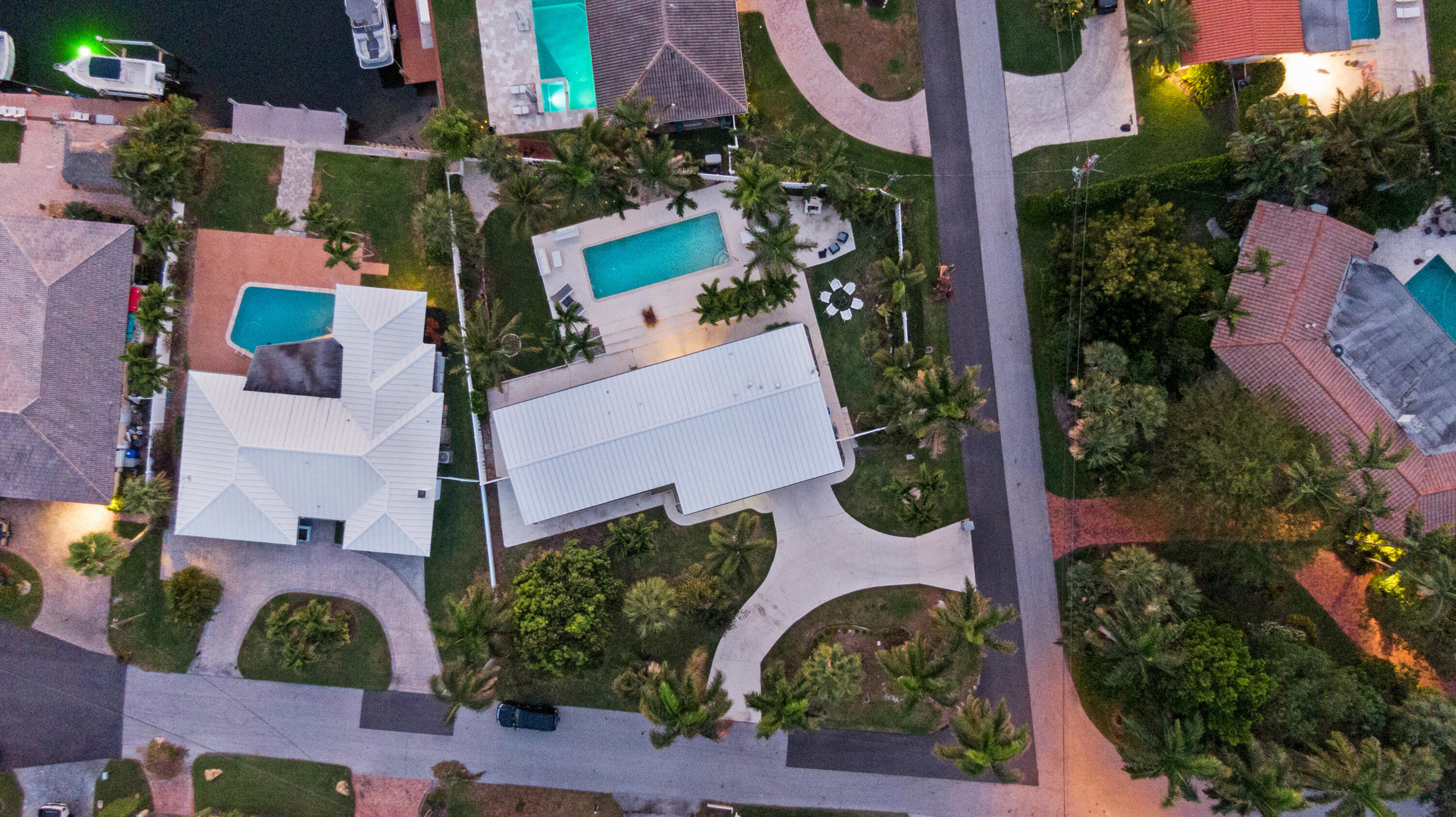
The home did not need to compete with waterfront properties on waterfront access. It needed to give a different buyer a compelling reason to choose Harbor Village.
That became the foundation of the strategy.
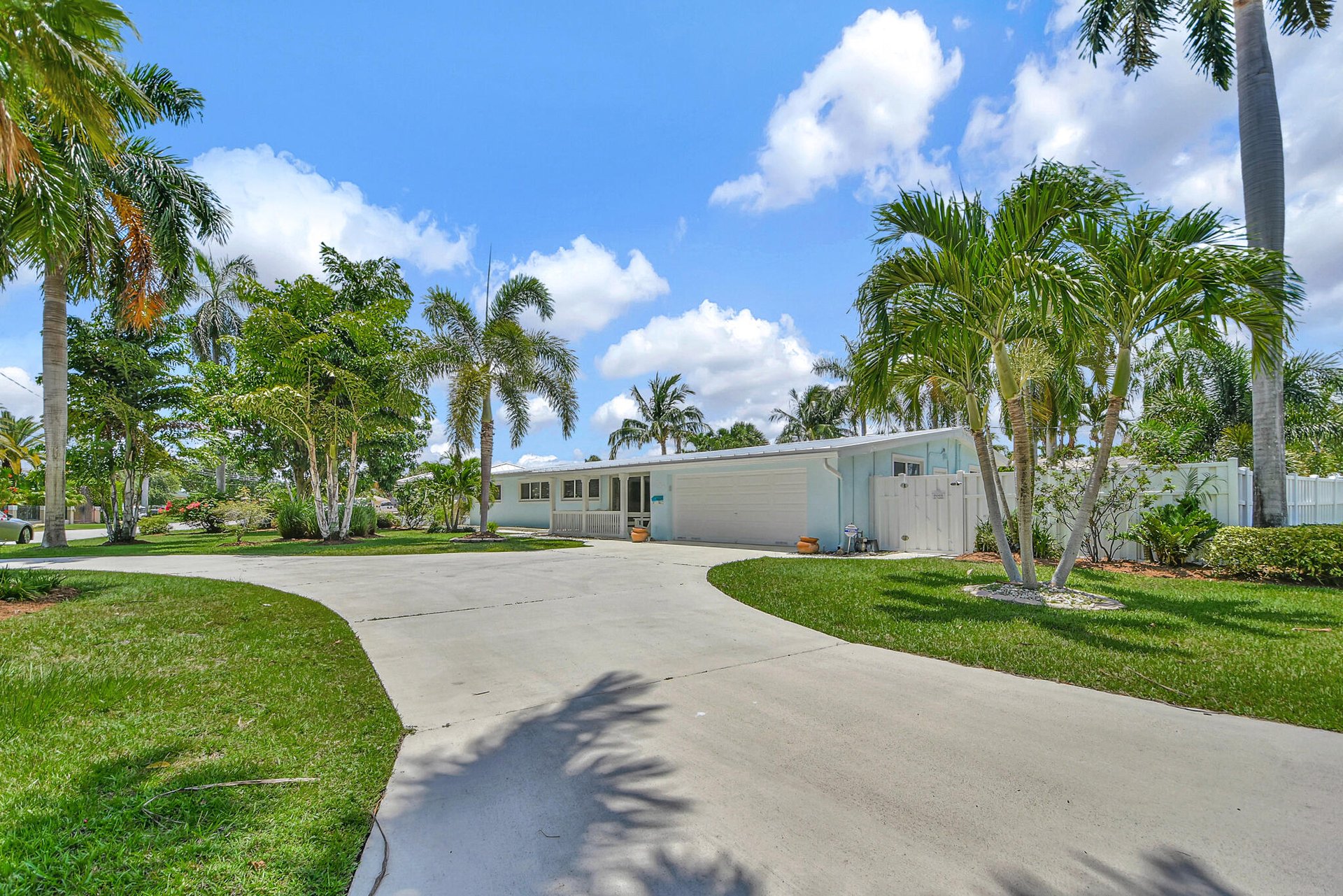
The homeowners were preparing to move out of the area. That made the objective straightforward: position the property effectively and create enough buyer demand to produce a successful sale without allowing its non-waterfront location to become the defining characteristic.
Harbor Village presented an unusual marketing problem.
Many buyers searching the neighborhood were there specifically because they owned a boat or wanted the waterfront lifestyle. A home without direct waterfront frontage could therefore be overlooked before buyers considered everything else it offered.
Trying to disguise that distinction would have accomplished very little.
Instead, the opportunity was to identify the audience for whom waterfront frontage wasn't essential and make the home's other advantages much easier to understand.
For this property, that meant shifting attention toward the oversized lot, outdoor lifestyle, pool and proximity to the beach.
Some properties become easier to sell when their audience is broadened.
This one required greater precision.
If most Harbor Village buyers were entering the neighborhood because they had a boat, marketing 2780 NE 5th Street primarily through the same lens as a waterfront home would place it at an immediate disadvantage.
We focused instead on buyers who wanted to live in Harbor Village but did not need waterfront frontage.
That distinction changed the story.
Rather than asking buyers to compare the property with neighboring waterfront homes based on something it did not have, the marketing could emphasize what it did offer: an oversized corner parcel, a large backyard, a resort-style pool and access to the broader Harbor Village and Pompano Beach lifestyle.
The lot was particularly important because it gave us something tangible around which to build that positioning.
The question was no longer simply, "Why buy a non-waterfront home in a boating neighborhood?"
It became, "What could you do with this much outdoor space in Harbor Village?"
That was a much stronger conversation.
A large backyard can look impressive in person while still being difficult to communicate through listing photography alone.
Open space requires imagination.
The buyer has to picture how the property might fit the way they want to live.
We made that visualization part of the marketing strategy.
The corner lot was staged to demonstrate its scale and the different ways the outdoor areas could be used. Digital backyard staging was also incorporated into the campaign, an approach that was still relatively new and not widely used at the time.
The purpose wasn't to make the property appear to contain improvements that weren't there. It was to help buyers understand the possibilities created by the lot.
There was room around the pool and deck for outdoor recreation, along with space that could accommodate a boat or RV. The intake also identified potential uses such as a playground, bocce ball court and other backyard activities.
That approach made the outdoor space easier to interpret.
Instead of presenting buyers with an empty portion of a large lot and expecting them to imagine what might fit there, the marketing gave context to the property's scale.
For sellers, there is an important distinction here.
Marketing a home isn't always about adding more features to the presentation. Sometimes the greater opportunity is helping buyers understand the features that are already there.
Once the property's strengths were clear, the marketing could be directed toward the audience most likely to value them.
Our focus remained on buyers who wanted the Harbor Village location without necessarily needing a dock behind their home.
That opened the property's appeal to a different lifestyle.
A buyer could enjoy the neighborhood while making use of a significantly sized private outdoor environment. The beach was also close enough that buyers specifically commented during showings on the short golf-cart or bicycle ride between Harbor Village and the beach.
The strategy therefore connected several ideas rather than promoting isolated amenities.
The neighborhood provided the location.
The oversized corner lot provided space.
The pool and backyard provided the lifestyle.
The presentation helped buyers visualize how those elements worked together.
That distinction mattered because the property's non-waterfront status never changed. What changed was the context in which buyers were being asked to evaluate it.
Click any image to view it in detail.
Once buyers began experiencing the property, their reactions centered on the same elements the marketing had emphasized.
The size of the yard attracted attention, as did the short golf-cart or bicycle ride to the beach. The backyard itself became a focal point, particularly the resort-size pool, pool deck, fire pit and amount of usable outdoor space.
Those reactions mattered because they confirmed that buyers were evaluating the property on its own strengths rather than simply viewing it as the Harbor Village home without waterfront frontage.
And the response came quickly.
The property was listed at $950,000.
After two days on the market, it had an offer.
The final sale price was $1,000,000, exactly $50,000 above the asking price.
Zillow's transaction history independently records the property as listed and pending at $950,000 on February 2, 2022 and sold for $1 million on March 4, 2022.
Only one offer was needed.
That is an important part of the story because strong results do not always require a bidding war. The relevant measure is whether the marketing creates the right conditions for a qualified buyer to recognize enough value to act.
Here, one buyer did.
This transaction differs from sales in which several competing offers create leverage.
There was one documented offer.
Yet that offer ultimately produced a $1 million sale, $50,000 above the property's $950,000 asking price.
The result is particularly meaningful when considered alongside the original challenge.
This was not a waterfront property being sold to the most obvious Harbor Village buyer. The marketing had been intentionally designed to attract buyers who wanted the location for different reasons.
By making the lot, backyard and lifestyle central to the presentation, the property could be evaluated for what distinguished it rather than discounted simply for what it lacked.
The outcome demonstrates a useful principle for homeowners: buyer demand is not always about reaching the largest possible audience. Sometimes it is about defining the right audience more precisely.
A fast offer can make a home sale appear simple from the outside.
The public sees a listing appear, go pending and eventually close. What matters to the homeowner, however, is that the result makes it all the way from initial interest to a completed transaction.
In this sale, the intake provides limited information about the post-contract process. It does not document unusual inspection issues, appraisal challenges, repair negotiations, closing concessions or moving complications, so we will not add them to the story.
What the record does establish is that the strategy produced a buyer almost immediately and the transaction proceeded to a completed $1 million sale.
For sellers, that distinction is worth remembering.
Generating attention is only one measure of a marketing campaign. The result that matters is converting qualified interest into a contract and ultimately a closing.
The outcome demonstrated that the home's lack of waterfront frontage did not prevent it from achieving a seven-figure sale. The sellers were preparing to move out of the area, and the strategy successfully created enough buyer interest for the property to secure an offer almost immediately.
The $1 million closing was particularly meaningful because the home was surrounded by waterfront properties but did not offer direct water access itself. Instead of competing on a feature the property could not provide, the sale established value around the oversized corner lot, resort-style pool, expansive backyard, and Harbor Village lifestyle.
The result was not simply a fast sale. It showed that the right buyer did not need the property to be waterfront to recognize its value.
The most useful lesson from 2780 NE 5th Street is not that every home should be marketed the same way.
It is almost the opposite.
Properties often have characteristics that make conventional comparisons difficult. A non-waterfront home may sit among waterfront properties. An oversized lot may provide value that isn't adequately reflected by square footage. An outdoor space may offer possibilities that buyers struggle to recognize from conventional listing photography.
In those situations, positioning becomes especially important.
At 2780 NE 5th Street, competing directly for the attention of boaters would have emphasized the property's disadvantage. Focusing on buyers who wanted Harbor Village for reasons beyond dockage allowed the conversation to shift toward the corner lot, resort-style pool, backyard and proximity to the beach.
Presentation then supported that positioning. Digital staging helped communicate possibilities for the outdoor space rather than leaving buyers to imagine them on their own. The buyer response confirmed which features mattered.
There is also a broader pricing lesson for homeowners in neighborhoods where property characteristics vary significantly from one house to the next. Waterfront status, lot size, location within the neighborhood, outdoor space and buyer profile can all influence how buyers evaluate a home's value. Comparable sales remain important, but understanding why buyers value one property differently from another is equally important.
The result at 2780 NE 5th Street came from aligning those pieces around the home that was actually being sold.
A specific challenge shaped the audience. The audience shaped the presentation. The presentation helped buyers recognize the property's strongest advantages.
The result was a $1 million Harbor Village home sale, achieved after two days on the market and $50,000 above asking.
Many Harbor Village buyers are specifically looking for waterfront access, so positioning the home around what it lacked would have put it at an immediate disadvantage. We focused instead on buyers who valued the neighborhood without needing dockage, highlighting the oversized corner lot, resort-style pool, expansive backyard, and proximity to the beach as the property's defining advantages.
A missing feature does not have to control how buyers evaluate a home. The better approach is to identify the property's strongest alternatives and determine which buyers are most likely to value them. Marketing can then emphasize those advantages rather than forcing the property into direct comparisons where it may be less competitive.
Digital staging can be useful when a large or open area requires buyers to imagine how they might use it. Showing realistic possibilities can communicate scale and functionality more clearly than an empty space alone. The staging should represent potential uses honestly, helping buyers visualize the property without suggesting that features or improvements already exist.
A property does not need to compete on the same strengths as every nearby home. When an important characteristic differs, the strategy should identify who is most likely to value what the property offers and position it accordingly. Understanding the right buyer can be more effective than trying to make a home fit expectations it was never designed to meet.
Considering selling a luxury or waterfront property? Request a home valuation to better understand how your property's features, location, and current market conditions may influence its value.
Want to see what sellers say about working with our team? Read our seller reviews to learn about their experiences.
Want to learn more about the areas we serve? Explore our South Florida neighborhoods to see where our team provides real estate services.
Photography by AccuTour
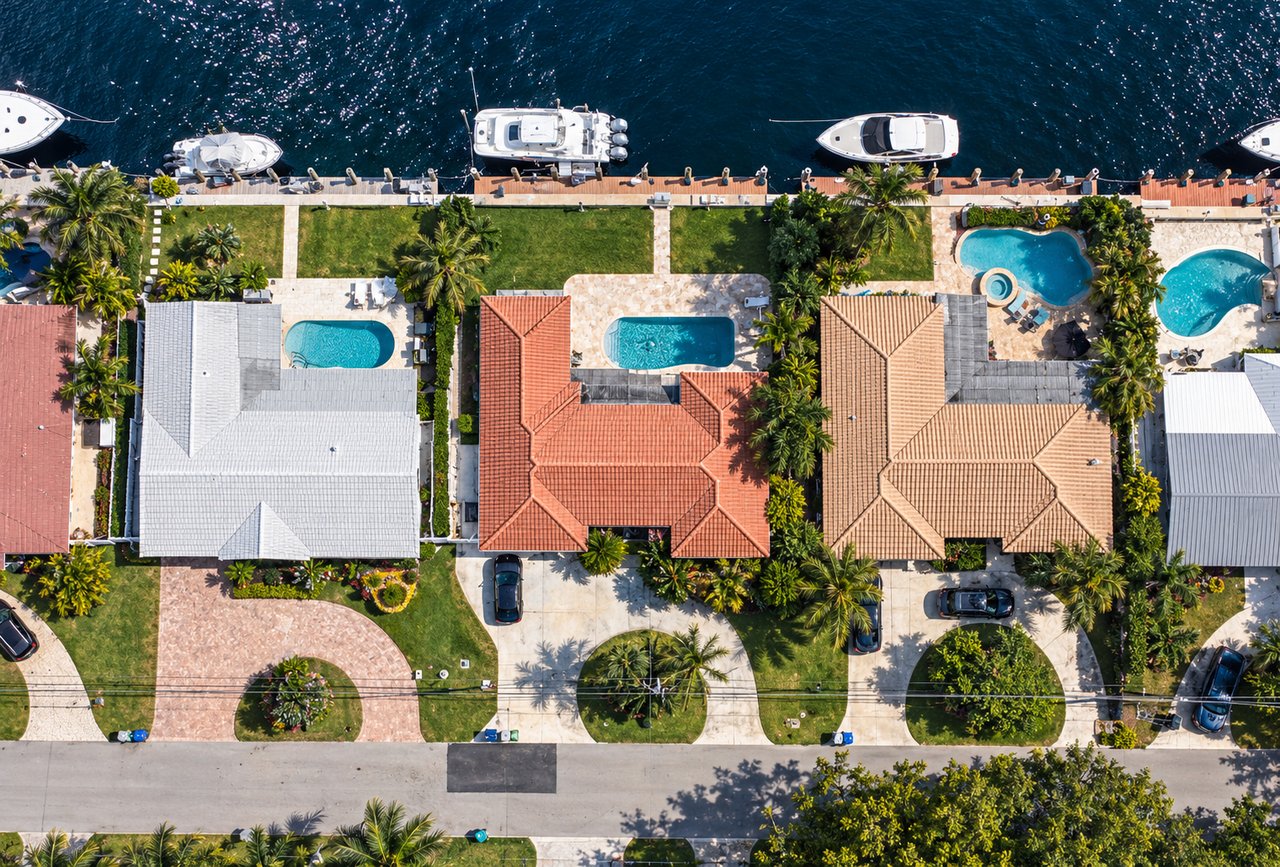
Pompano Beach
Keeping a Pompano Beach waterfront sale moving as COVID-19 changed the market.
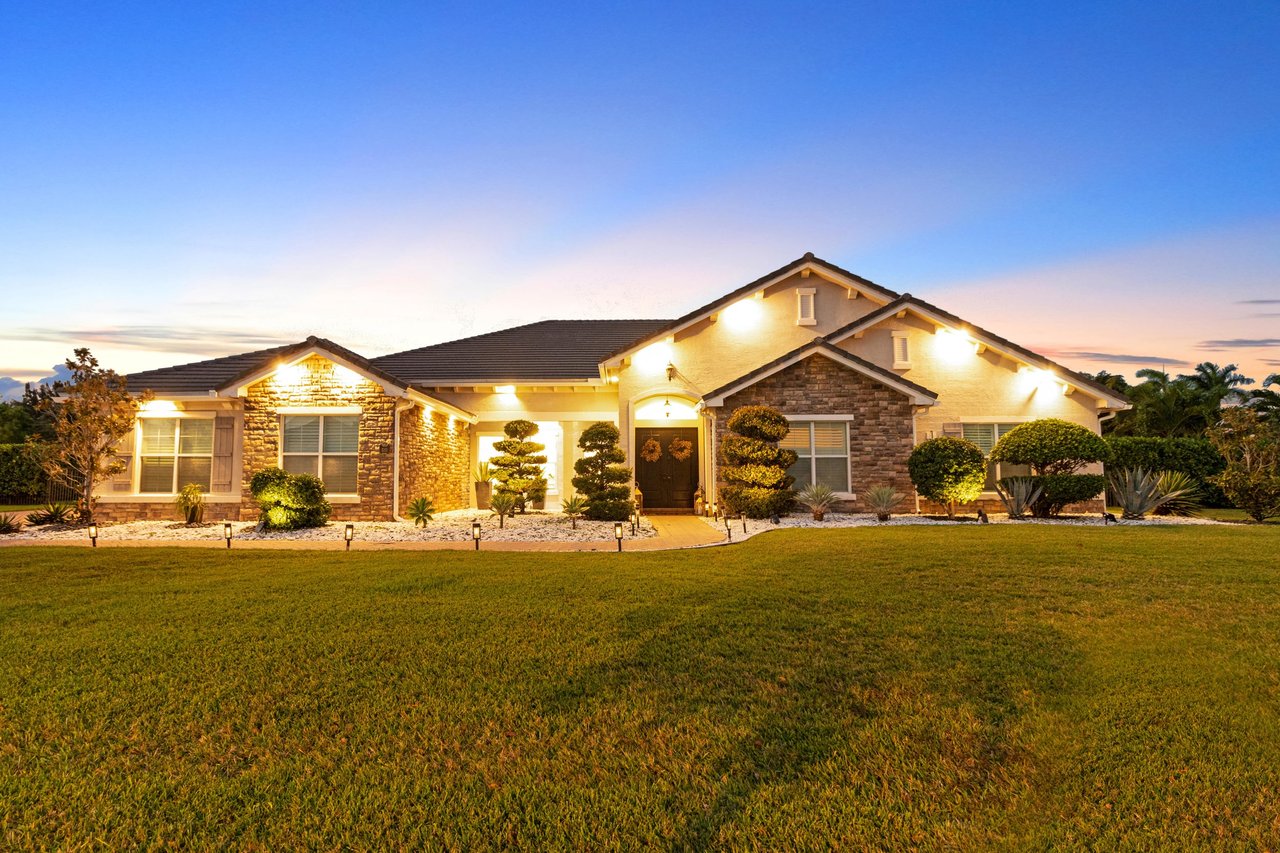
Davie
Preparing for appraisal while making the home's upgrades easy to see in Davie, Florida.

Pompano Beach
Using future-value positioning and targeted marketing to keep buyers engaged as expectations rose in Pompano Beach.
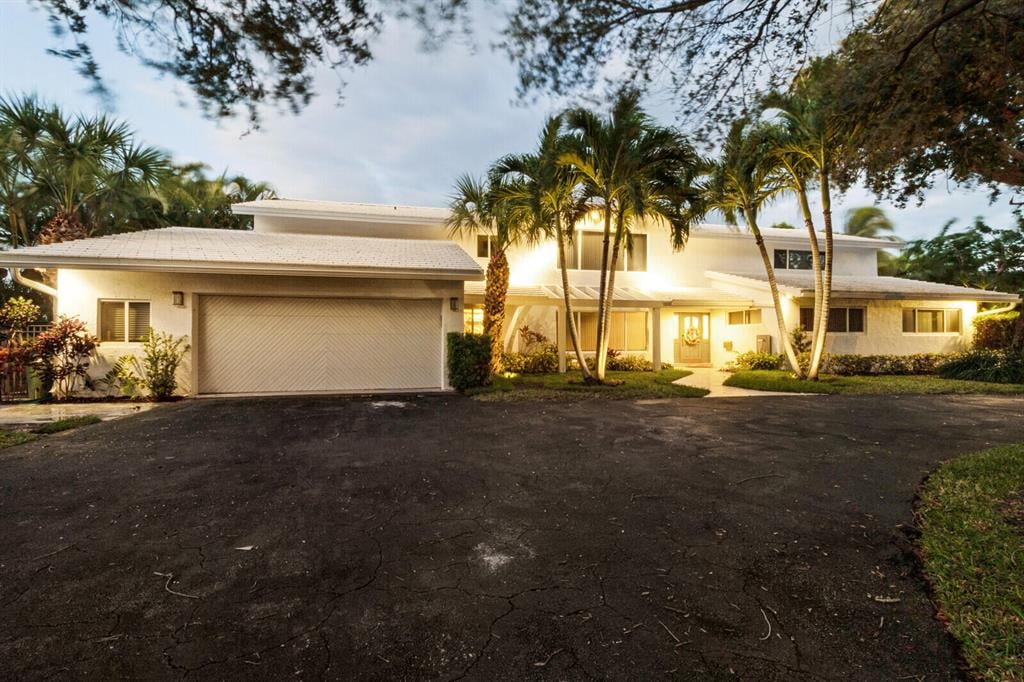
Fort Lauderdale
Giving buyers a credible path beyond the home's biggest objection in Fort Lauderdale.
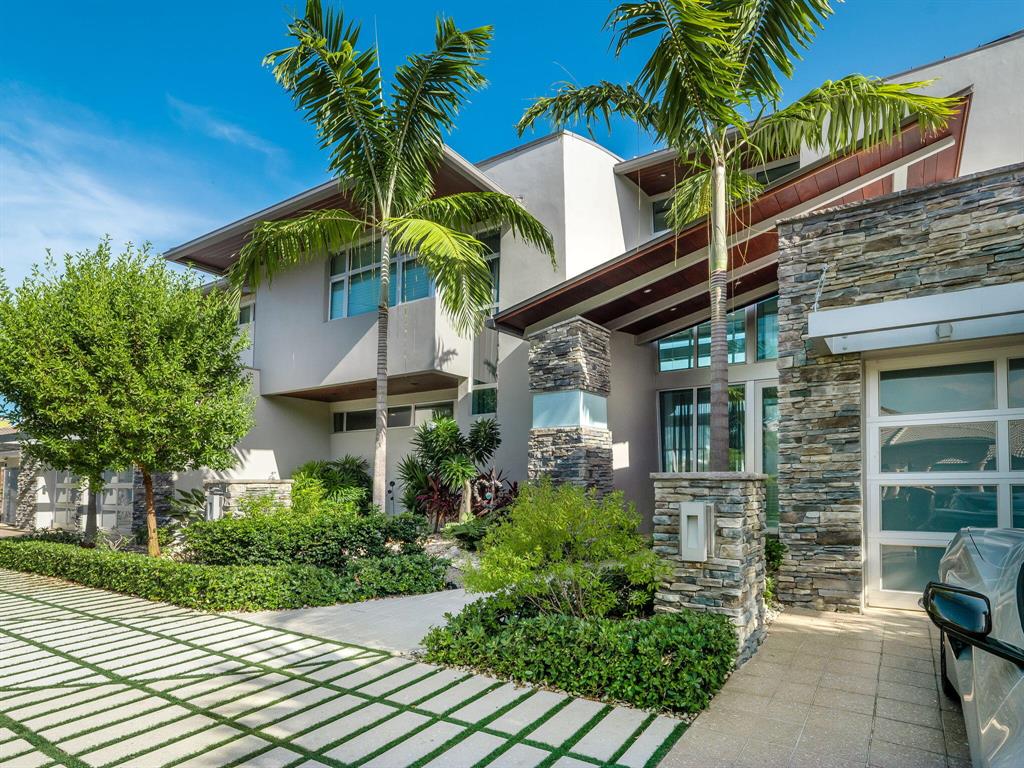
Pompano Beach
Reframing exceptional waterfront value beyond traditional comparables in Pompano Beach, Florida.
Fort Lauderdale
Replacing a failed first impression with a complete marketing relaunch in Fort Lauderdale, Florida.
Every home is unique. Let's build a customized marketing strategy tailored to your goals to maximize your home's value.