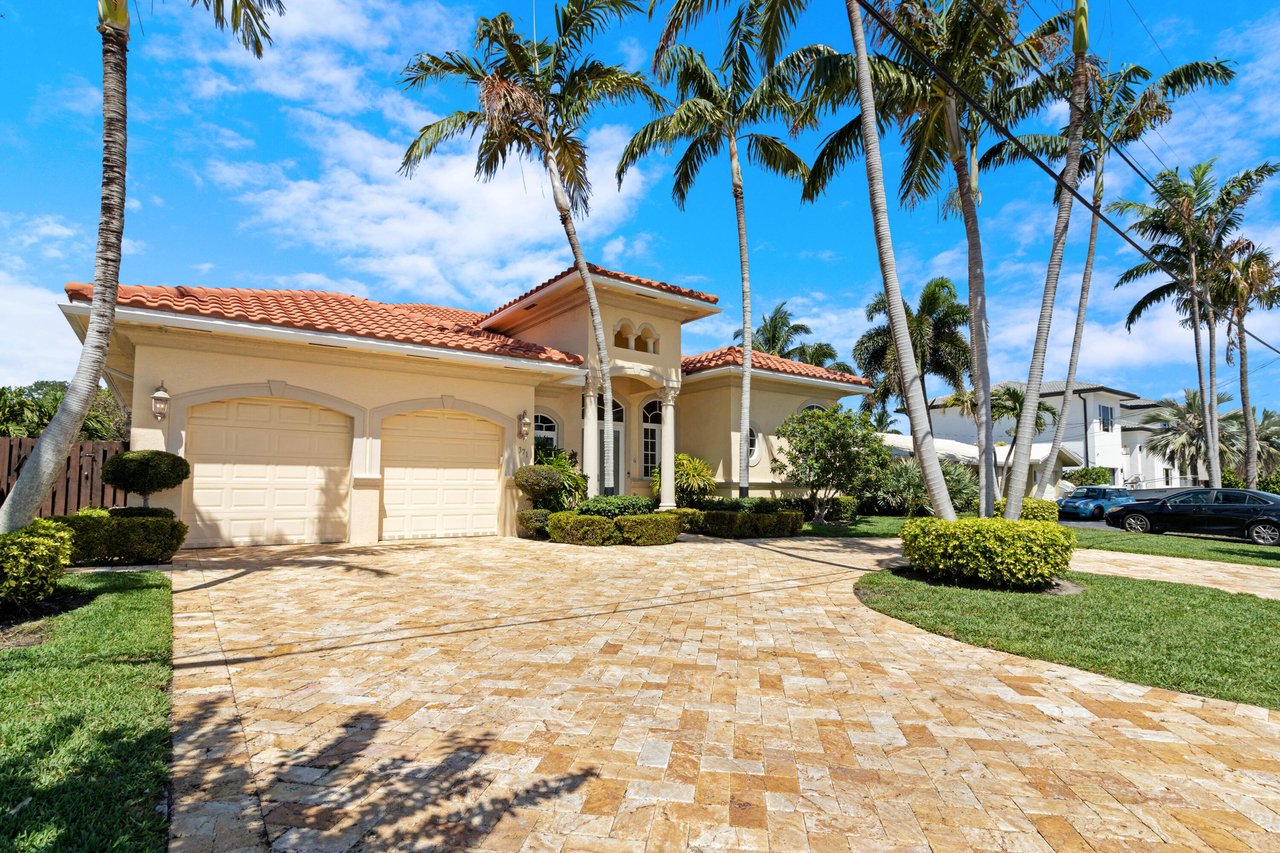
How We Positioned a $2M Goal Beyond the Comps for a Record Sale in Snug Harbor
Pompano Beach
Pompano Beach
At 371 SE 15th Avenue in the Snug Harbor community of Pompano Beach, Florida, the homeowners wanted to sell their custom waterfront home for more than $2 million before June 30, 2026, even though the existing comparable sales topped out at $1.85 million. The transaction demonstrated how we:
Some waterfront homes are defined primarily by their location. At 371 SE 15th Avenue, the construction itself became an equally important part of the story.
The single-story Snug Harbor residence paired 70 feet of waterfront with detailed interior craftsmanship. High ceilings, substantial wood doors, custom millwork, marble finishes, built-ins, and architectural detailing gave the home a character that could not be explained by square footage and waterfrontage alone.
Click any image to view it in detail.
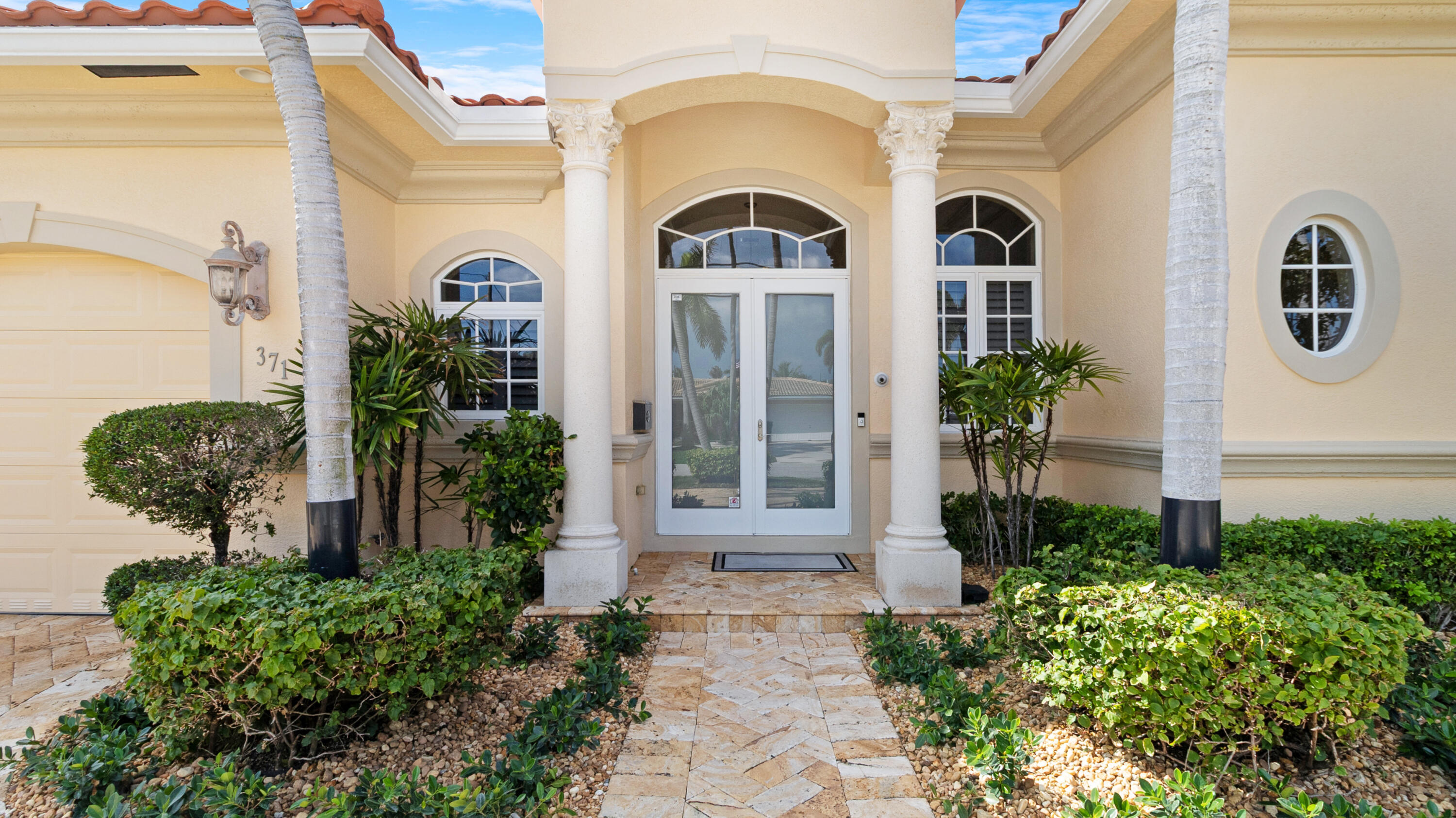
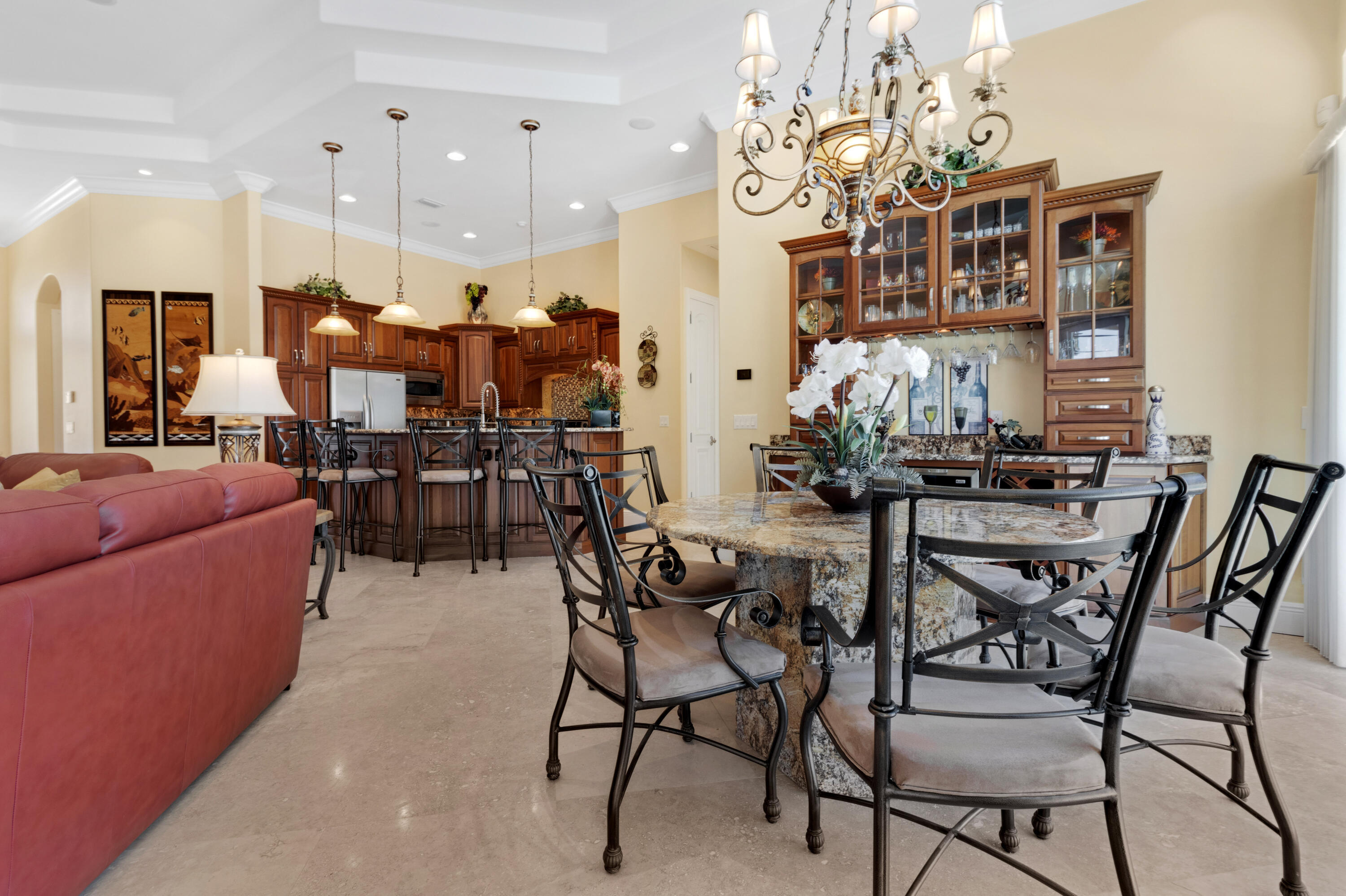
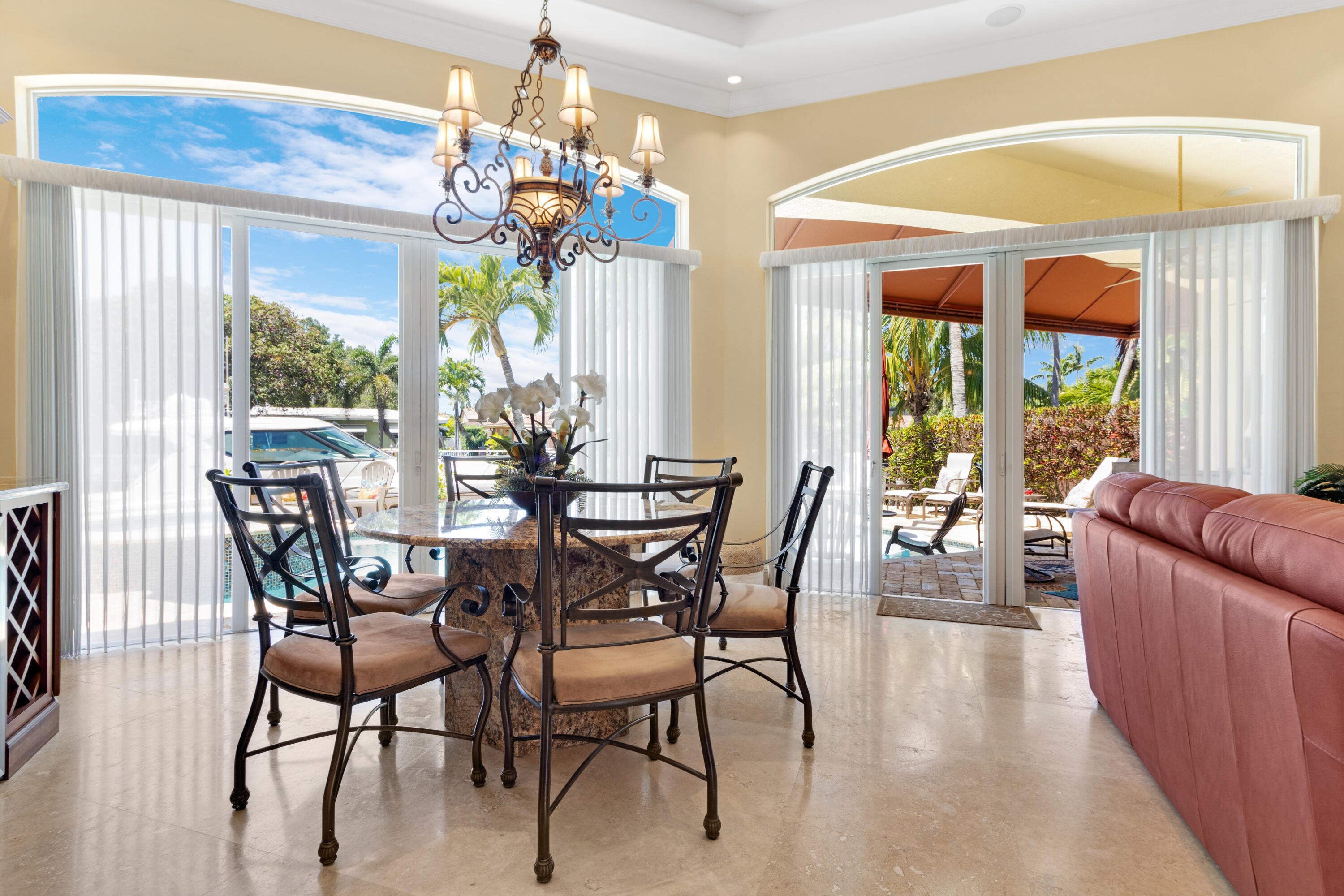
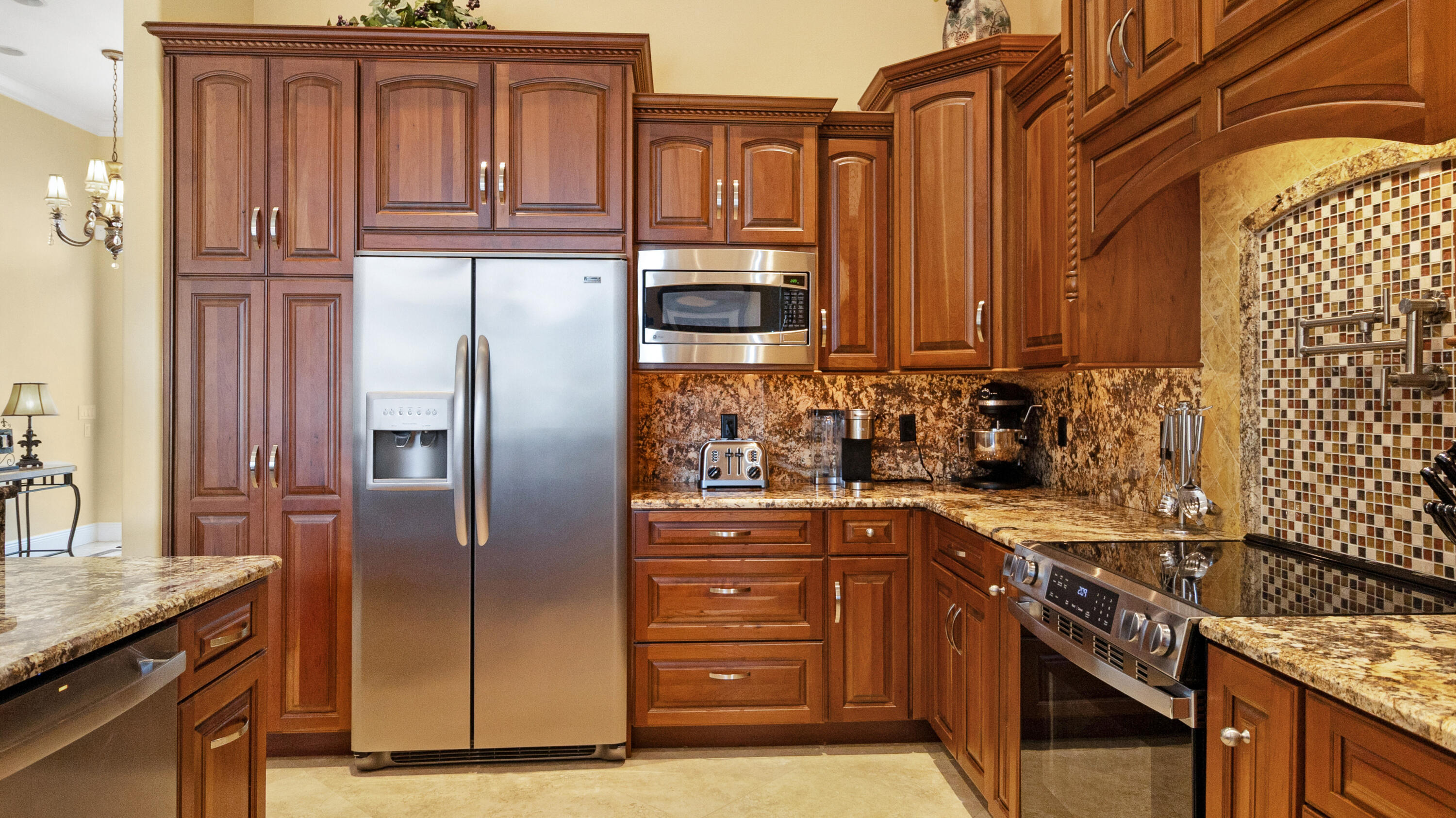
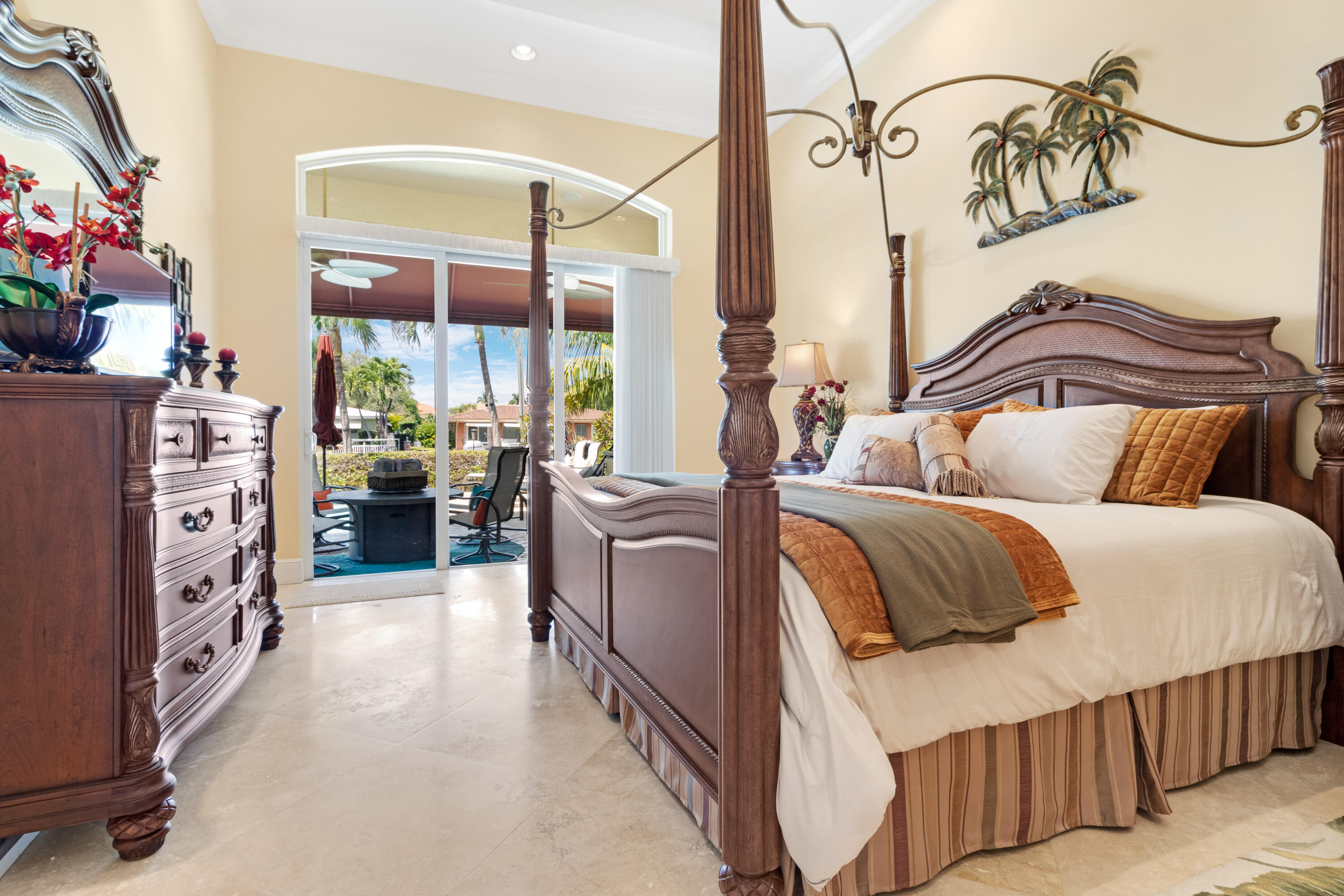
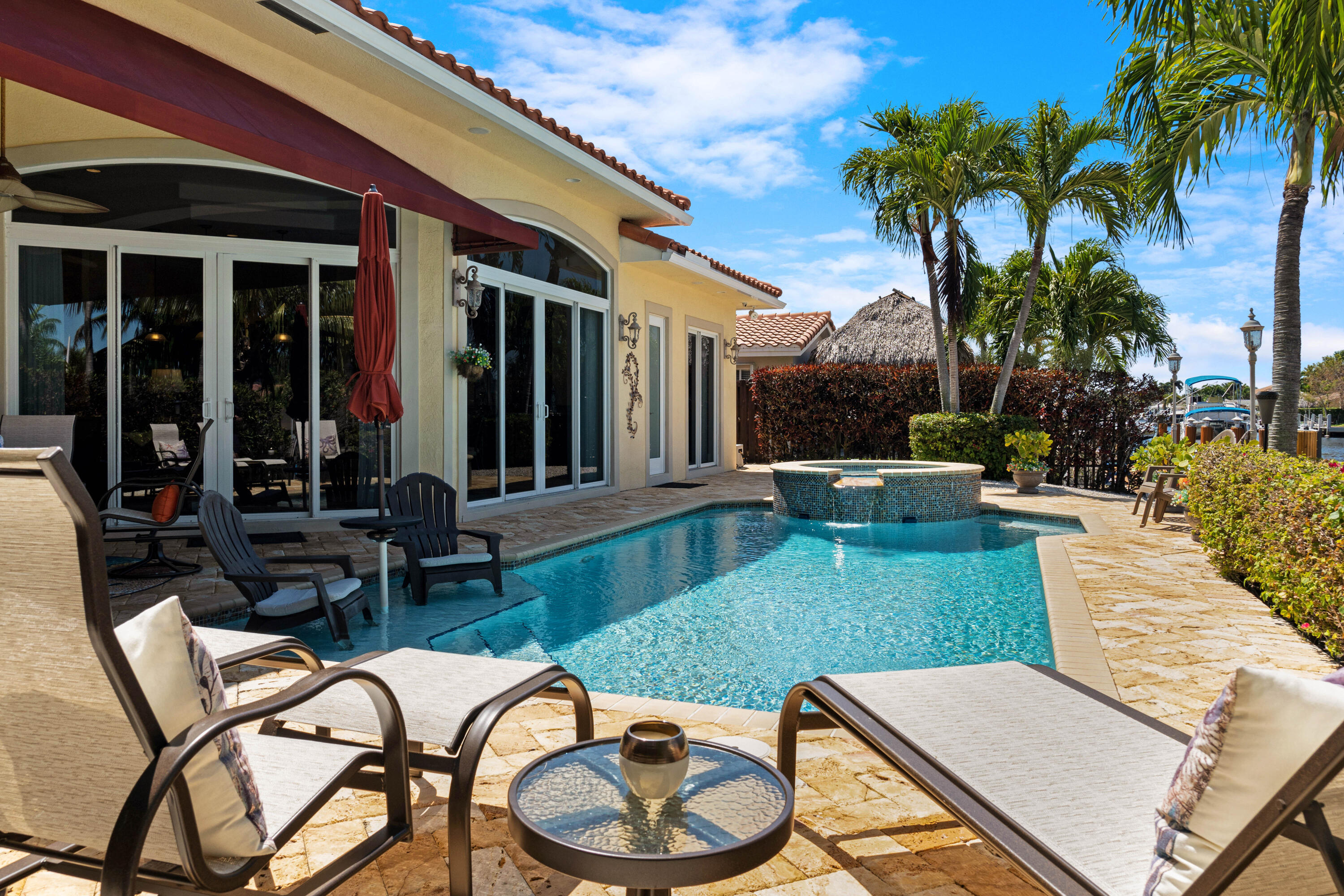
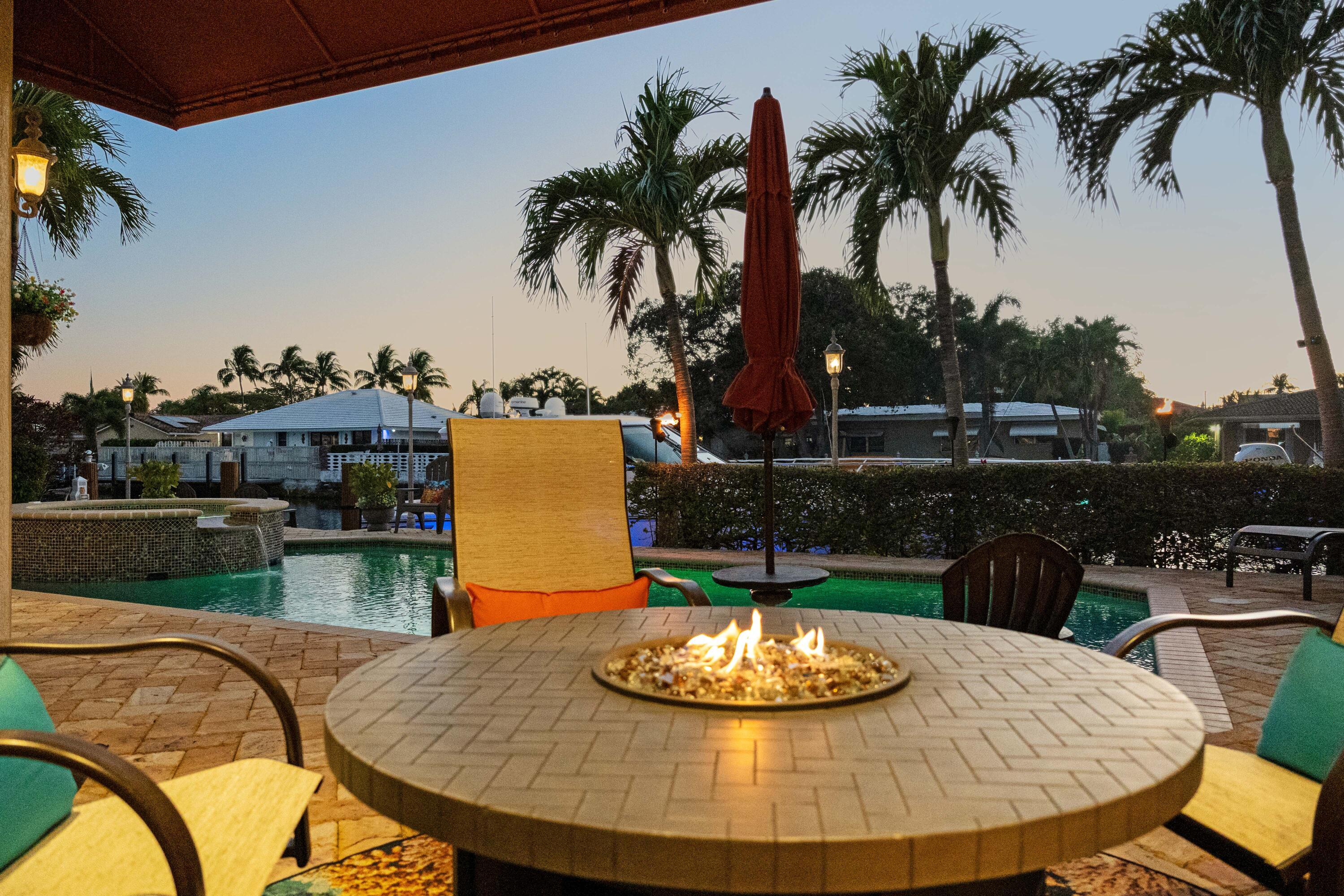
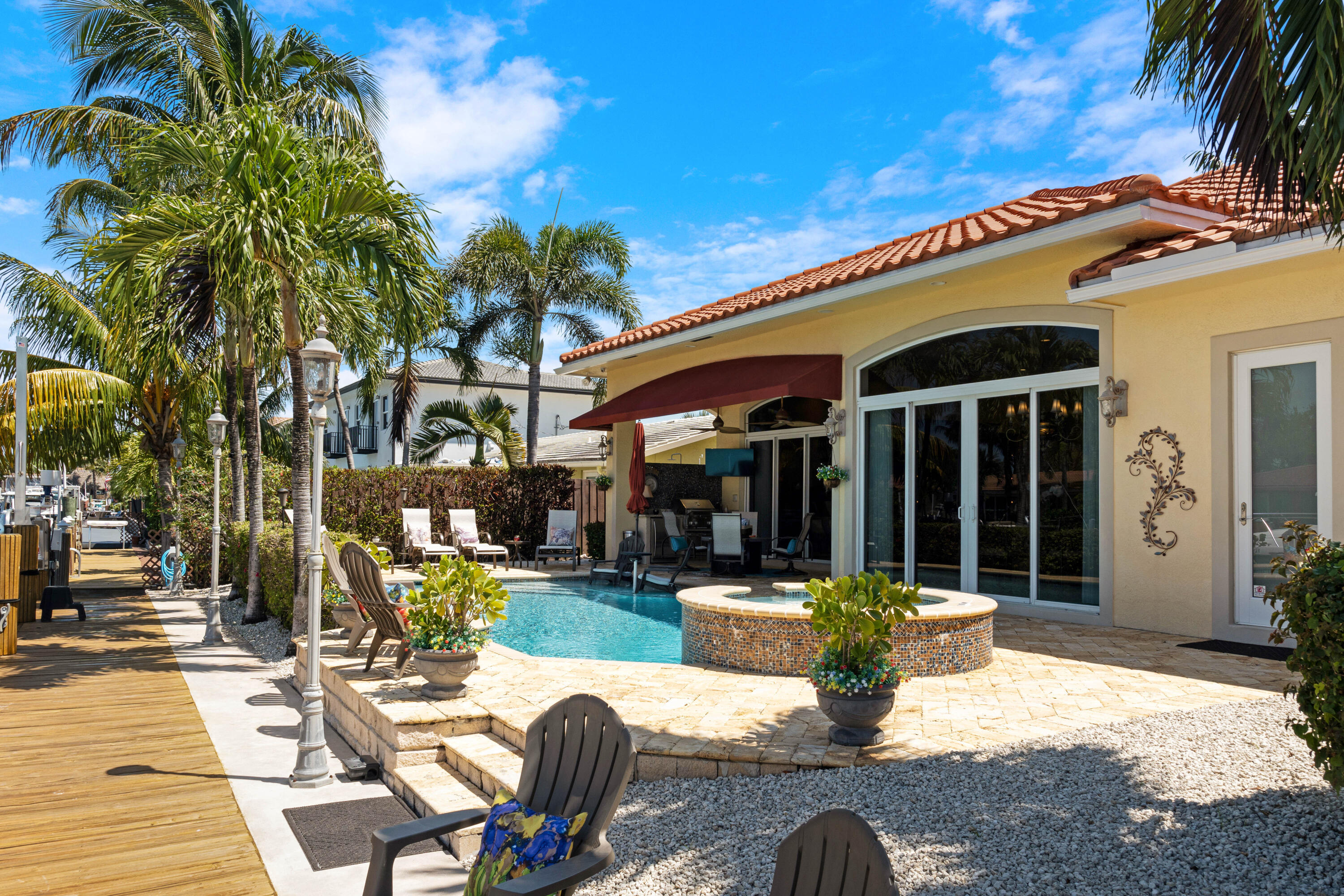
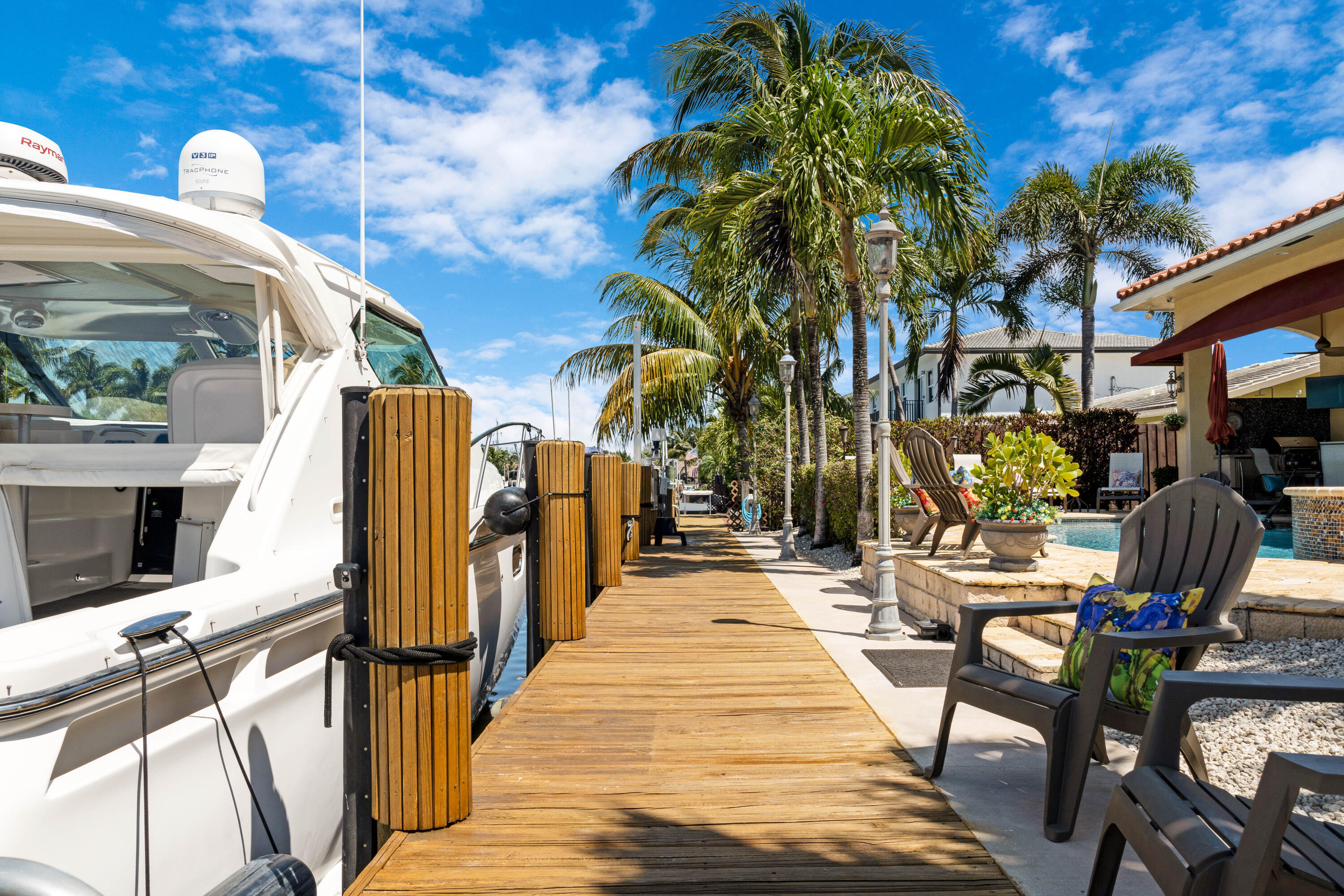
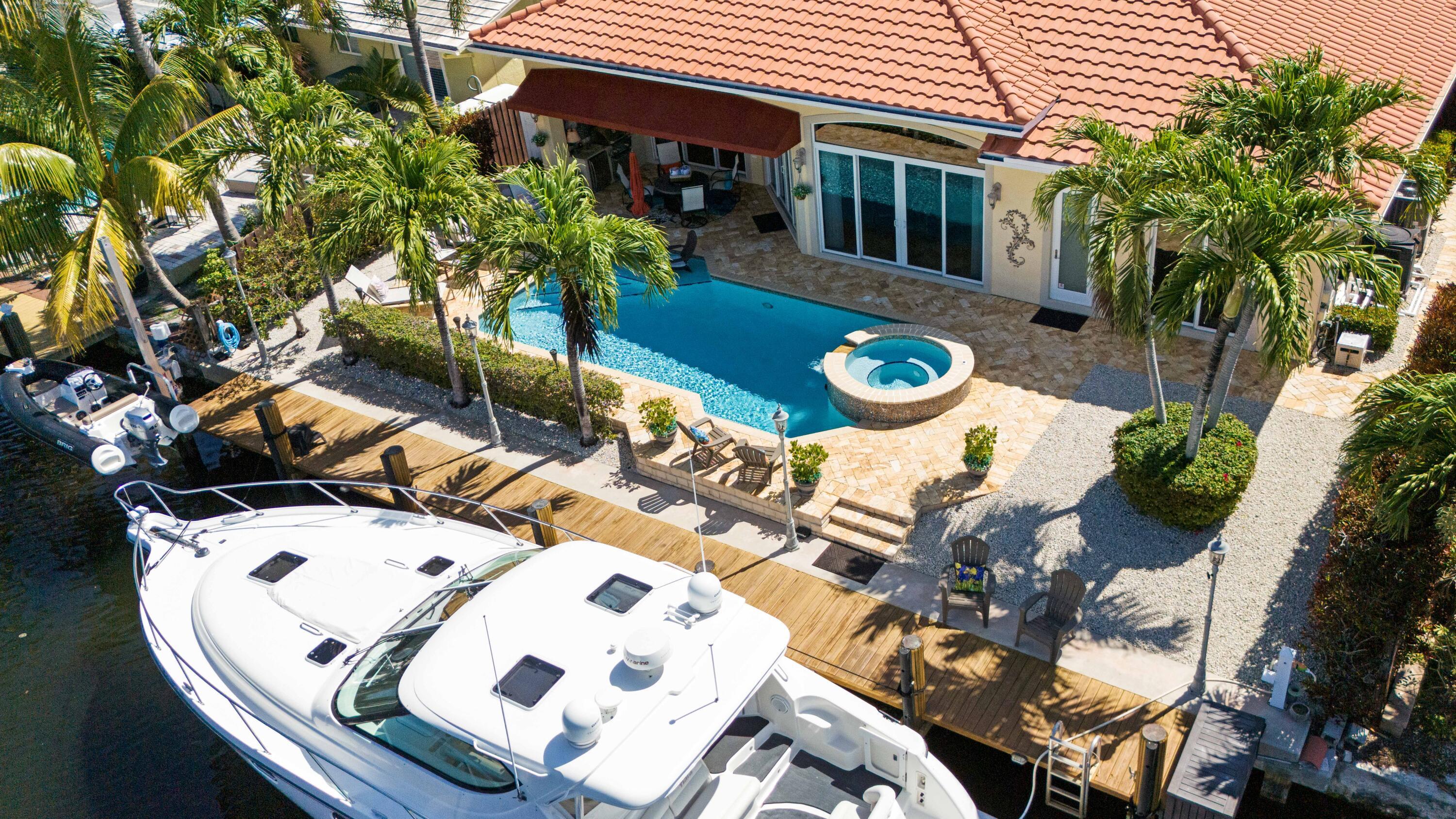
The home's specifications made it distinctive. The challenge was making those differences clear enough for buyers to recognize the value beyond what conventional comparable sales suggested.
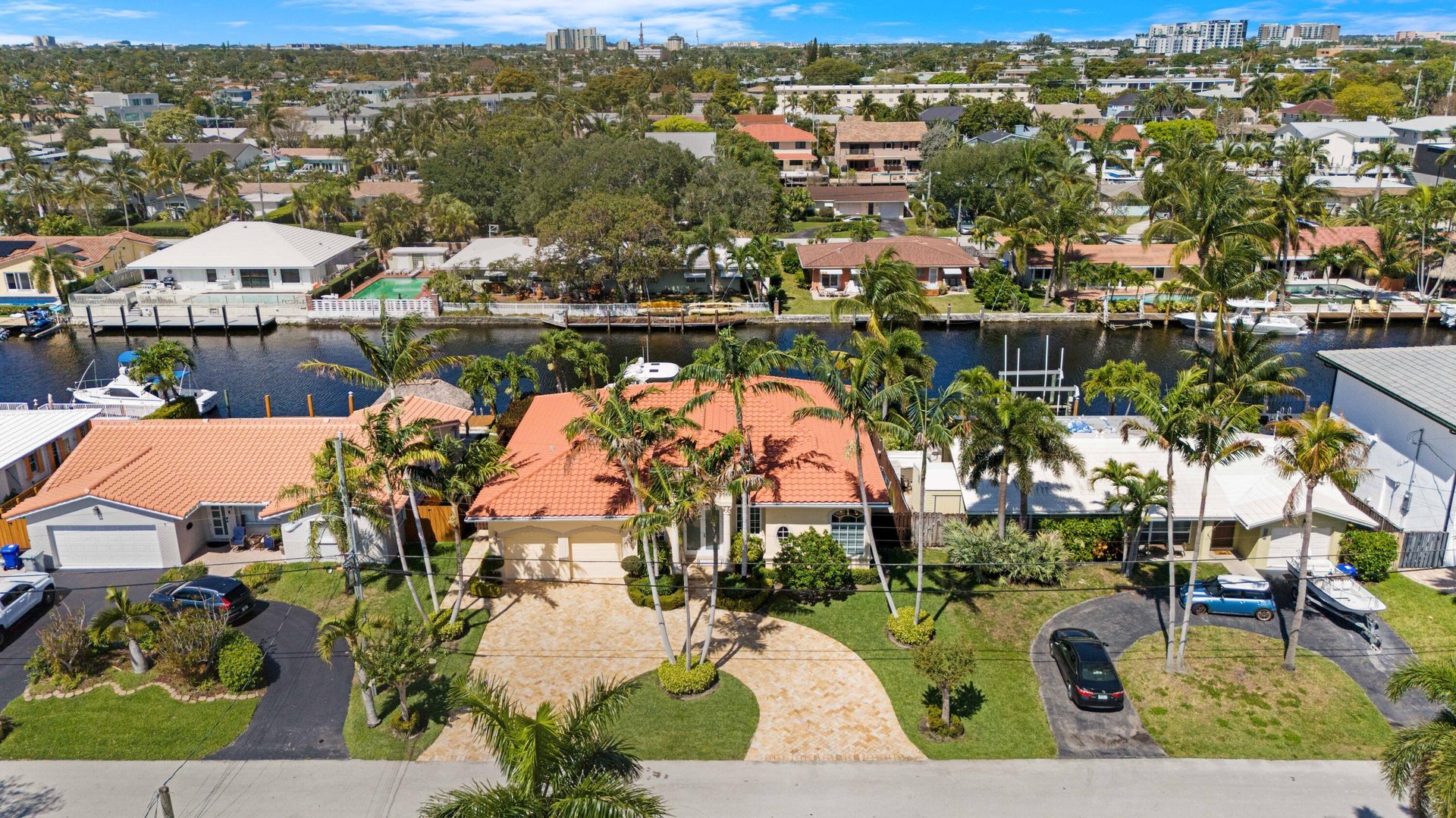
We first met with the homeowners in early 2025 while they were building another home in nearby Terra Mar.
That gave us something valuable: time.
They did not need to sell immediately. Their window extended from roughly March 2025 through June 30, 2026, with two clear objectives: maximize the sale price and close before June 30, 2026.
Those goals were connected.
Waiting too long could put the closing deadline at risk. Going to market too early could mean exposing a distinctive waterfront property during a slower period before buyer demand was where we wanted it.
The sellers' flexibility therefore became part of the selling strategy rather than a reason to rush.
We could prepare the marketing well in advance, introduce the property privately, and remain patient about when to bring it fully to market.
The central pricing challenge was apparent well before the home officially entered the market.
Existing comparable sales topped out at approximately $1.85 million. That was roughly $250,000 below the sellers' bottom line and almost $400,000 below the desired list price.
For many homes, comparable sales provide a relatively clear pricing range. This property required a more nuanced interpretation.
The residence had been custom built with details including substantial doors, handcrafted arches, built-ins designed to maximize space, elevated ceilings, and high-quality materials. The level of construction and finish created a property that buyers could perceive differently from more conventional homes.
The question was not whether the comparable sales mattered. They did.
The question was whether they fully represented what this particular home could command.
Rather than allowing the highest prior comparable to become the automatic ceiling, we needed to make the home's differences visible and give buyers a reason to value them.
Because the sellers had a long planning horizon, we did not need to make the public listing the first moment buyers encountered the property.
We created the visual assets early.
Photography, video, 3D tours, twilight imagery, and Zillow Showcase materials were prepared so the home could be marketed off market during the slower season without having public days on market count against it.
That distinction mattered.
The sellers had enough flexibility to avoid using the public market simply because the home was ready. Instead, we could begin marketing while preserving flexibility around when to formally bring the property to market.
Patience became an active part of the selling strategy.
The objective was to balance buyer demand, the sellers' net proceeds, and the June 30 deadline.
Once we decided not to let the $1.85 million comparable ceiling define the property, the marketing needed to explain why.
We focused on the characteristics that were hardest to replicate.
The 15-foot ceilings changed the scale of the interior. The layout contributed to how efficiently the home used its space. The designer-quality finishes and construction quality reflected a level of investment that would be difficult to recreate today.
The waterfront brought buyers into the conversation. The craftsmanship gave them another reason to value the home once they experienced it.
The visual presentation reinforced that distinction.
Virtual staging helped buyers interpret the spaces. The 3D tour allowed them to understand the home remotely. Twilight imagery added another perspective, while video created a more continuous sense of how the property lived.
Each element served a specific purpose. Together, they helped communicate a home whose value could not be fully explained through comparable sales alone.
Once the property's story was established, the next objective was distribution.
We used Zillow Showcase and paid advertising across Google, Instagram, Facebook, and Bing, along with 3D imagery, twilight photography, AI video, virtual staging, and other digital assets created for the property.
The goal was not simply to generate exposure.
When a seller is asking the market to recognize value beyond the most obvious comparable sales, reaching the right buyer becomes especially important.
The eventual buyer illustrates that point.
They responded to one of our Facebook advertisements.
That connection made the paid advertising a direct part of the transaction rather than simply another source of exposure.
Click any image to view it in detail.
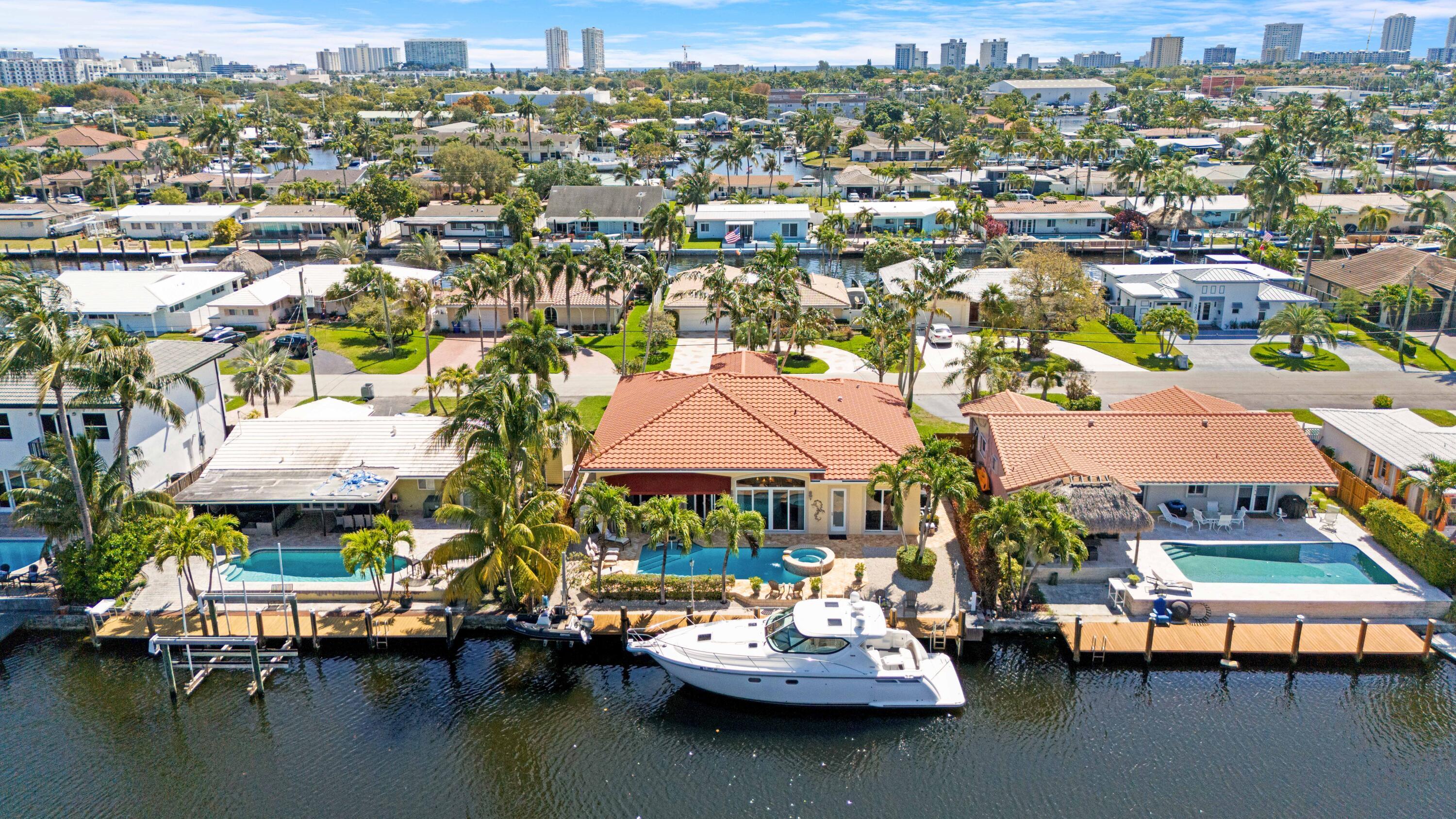

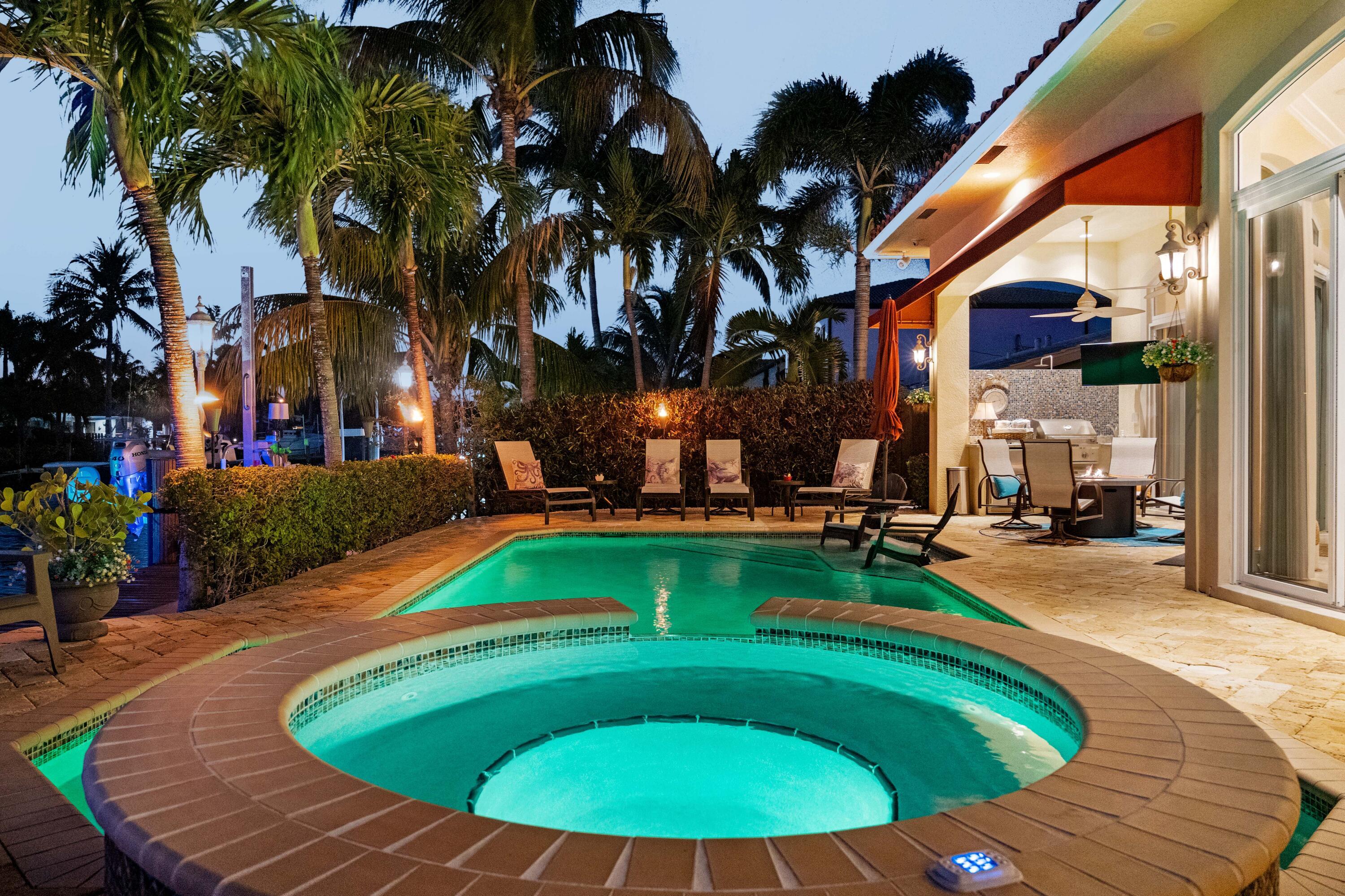
The buyer response also revealed what buyers noticed most.
During showings, buyers consistently responded to the high ceilings and the layout. They also noticed the quality of construction and the builder's touches.
That response was significant because those were the same characteristics that had been emphasized throughout the marketing.
The scale of the ceilings changed how the rooms felt. The layout demonstrated how carefully the interior had been planned. The materials and custom details provided visible evidence of the home's construction quality.
The property ultimately generated two offers.
That gave the sellers something more useful than activity alone: choice while working toward a very specific financial and timing objective.
For these homeowners, a successful negotiation could not be judged solely by the highest number written on an offer.
The original goal contained two requirements: achieve more than $2 million and close before June 30.
That made timing part of the economics of the transaction.
The sellers were building their next home in Terra Mar, so there was little value in pursuing price without regard for the calendar. Likewise, closing quickly at a number that failed to meet their financial objective would not have solved the problem they brought us at the beginning.
The two offers gave us the opportunity to evaluate the transaction against the sellers' complete definition of success rather than reducing the decision to price alone.
Once the property was under contract, the focus narrowed to protecting the deadline that had been established more than a year earlier.
The sellers needed the home closed before June 30, 2026.
That meant the transaction could not be treated as complete when an offer was accepted. Escrow, inspections, financing or proof-of-funds requirements, title work, and closing deadlines all had to remain coordinated through the final stage of the transaction.
The objective was straightforward: keep the agreement moving toward the closing date without allowing an avoidable issue to disrupt the plan.
A successful closing does not require a dramatic last-minute rescue to be meaningful. Sometimes the objective is simply to ensure that a strategy developed months earlier survives intact through the final deadline.
Here, it did.
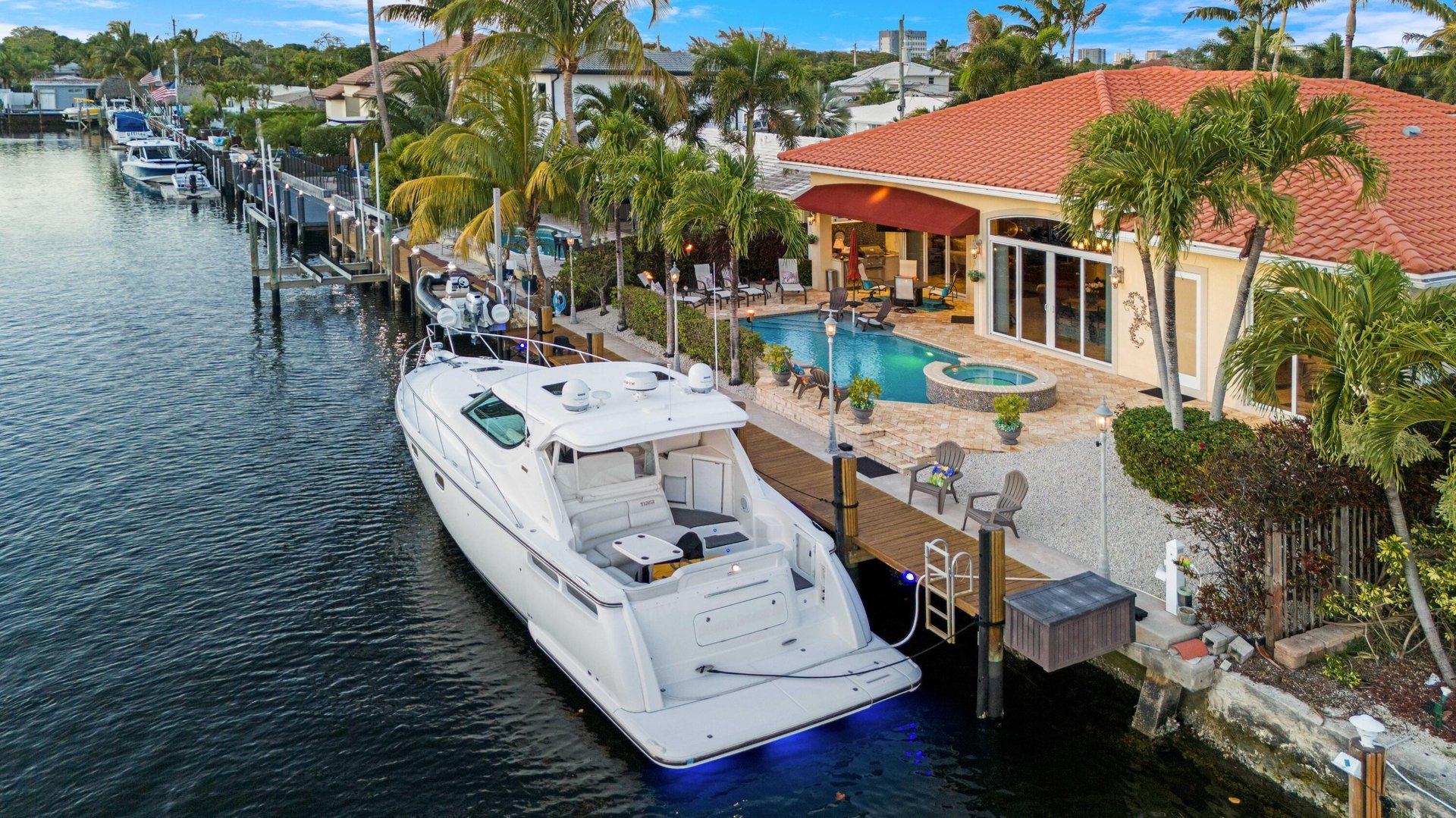
The sale achieved the two goals that shaped the strategy from the beginning: exceed $2 million and close before June 30, 2026. The final $2,025,000 sale price surpassed the sellers' financial target despite existing comparable sales topping out around $1.85 million.
The success went beyond the final number. The sellers had given themselves enough time to approach the sale strategically, allowing the property to be prepared, marketed privately during the slower period, and brought to the public market when the timing supported their objectives.
The two offers gave the sellers meaningful choice while working toward their financial and timing goals. The property ultimately established a new benchmark for the street and for non-point-lot sales in Snug Harbor while meeting the deadline that had guided the transaction from the beginning.
The sellers' patience created the opportunity. The strategy helped turn that opportunity into a record result.
Comparable sales are essential to pricing real estate, but distinctive homes sometimes require more interpretation than a spreadsheet can provide.
A comparable sale can tell a homeowner what another property sold for. It cannot always capture the value buyers place on custom craftsmanship, unusually high ceilings, a carefully designed layout, or construction details that would be difficult to recreate. That is why evaluating a home's value requires looking beyond a single comparable and considering the characteristics that can influence buyer demand.
That does not mean sellers should disregard comparable sales and simply choose a higher price.
It means that when a property has characteristics that distinguish it from the available comparisons, the selling strategy should account for those differences.
Marketing then has an important role.
At 371 SE 15th Avenue, the presentation focused on the characteristics buyers later responded to: the ceilings, layout, construction quality, and builder's touches. Photography, video, 3D presentation, virtual staging, Zillow Showcase, and targeted digital advertising each helped communicate a different part of that value story.
There is another lesson for homeowners planning a future move: timing can create strategic flexibility.
These homeowners began the conversation more than a year before their final deadline. That gave us room to prepare the property, create marketing assets, market it privately during the slower season, and remain patient about when to bring it fully to market.
The broader lesson is simple: if you know you need to sell by a certain date, planning early can give you more choices. You can evaluate preparation, pricing, marketing, and timing before those decisions become urgent.
For a distinctive property, the objective is not to force it into the mold of the most recent comparable sale. It is to understand the market evidence, identify what makes the property different, and build a strategy that gives qualified buyers a clear reason to recognize that difference.
The best time to begin planning a sale is not necessarily the moment you are ready to list.
Homeowners planning their next move can explore homes currently for sale to get a sense of what is available in the market.
The sellers had two clear goals: maximize the sale price and close before June 30, 2026. Because we began planning with them well in advance, we had flexibility around when to enter the public market. That allowed us to prepare the property's marketing early and use off-market exposure during the slower season without accumulating public days on market.
We use comparable sales as an important reference point, but distinctive homes may require additional context. In this case, the existing sales reached only $1.85 million, while the home's high ceilings, designer-quality finishes, newer construction, and custom details created characteristics buyers could value differently. The goal is not to ignore the comps, but to understand what they may not fully capture.
Off-market marketing can be useful when sellers have flexibility around their timing. In this case, we prepared the property's photography, video, 3D tour, twilight imagery, and Zillow Showcase materials early so we could market the home during the slower season without having public days on market count against it. That created flexibility while we worked toward the sellers' larger timing and financial objectives.
A distinctive home should be presented around the characteristics that make it difficult to compare directly with surrounding properties. Here, the high ceilings, layout, construction quality, and builder's touches became central to the marketing because those were the features buyers responded to most. The broader lesson is to understand both the market evidence and what makes your property different before deciding how to position it.
Considering selling a luxury or waterfront property? Request a home valuation to better understand how your property's features, location, and current market conditions may influence its value.
Want to see what sellers say about working with our team? Read our seller reviews to learn about their experiences.
Want to learn more about the areas we serve? Explore our South Florida neighborhoods to see where our team provides real estate services.
Photography by AccuTour
Pompano Beach
Keeping a Pompano Beach waterfront sale moving as COVID-19 changed the market.
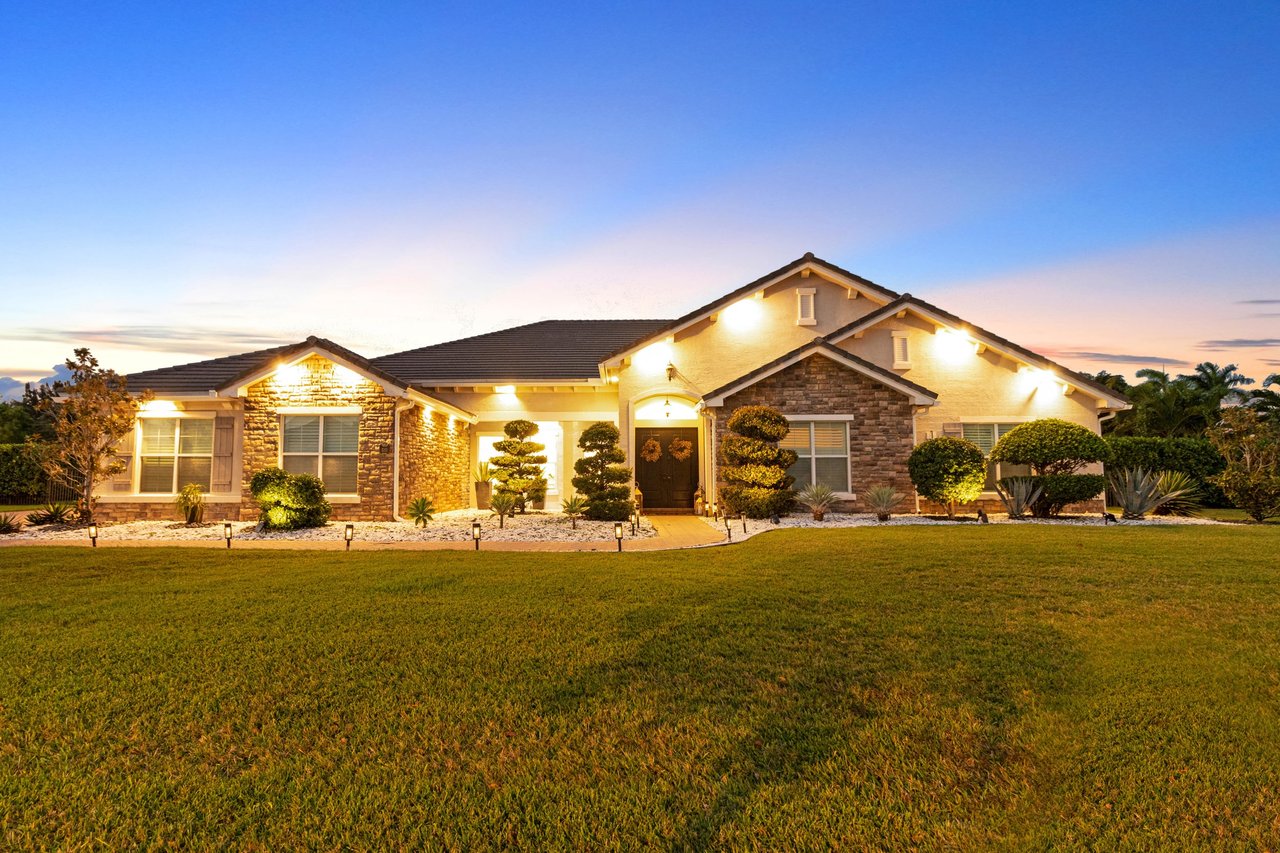
Davie
Preparing for appraisal while making the home's upgrades easy to see in Davie, Florida.

Pompano Beach
Using future-value positioning and targeted marketing to keep buyers engaged as expectations rose in Pompano Beach.
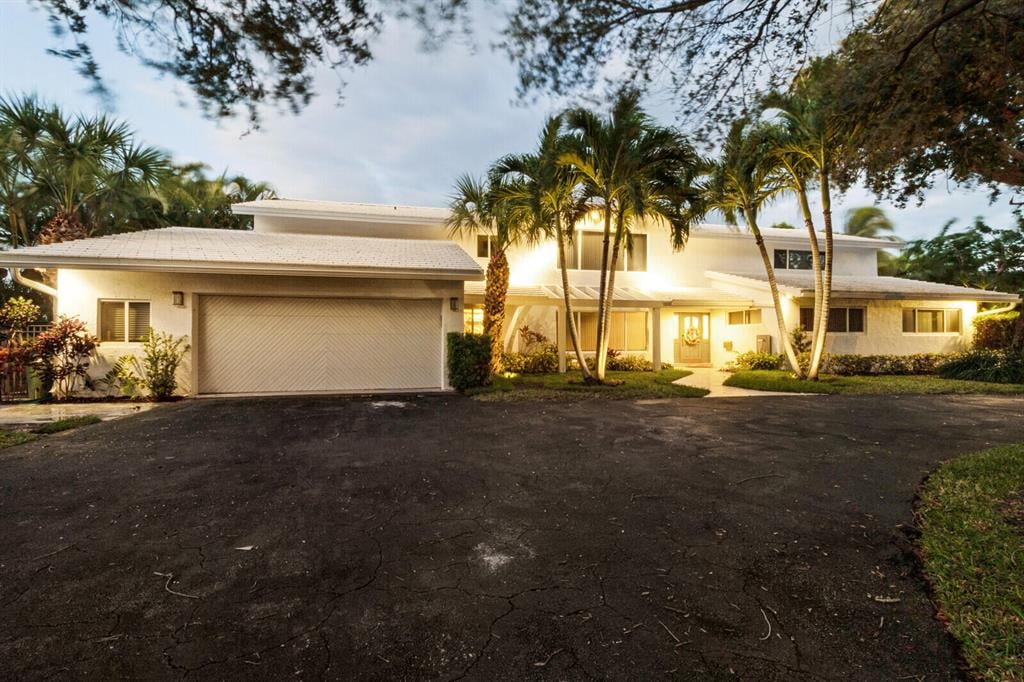
Fort Lauderdale
Giving buyers a credible path beyond the home's biggest objection in Fort Lauderdale.
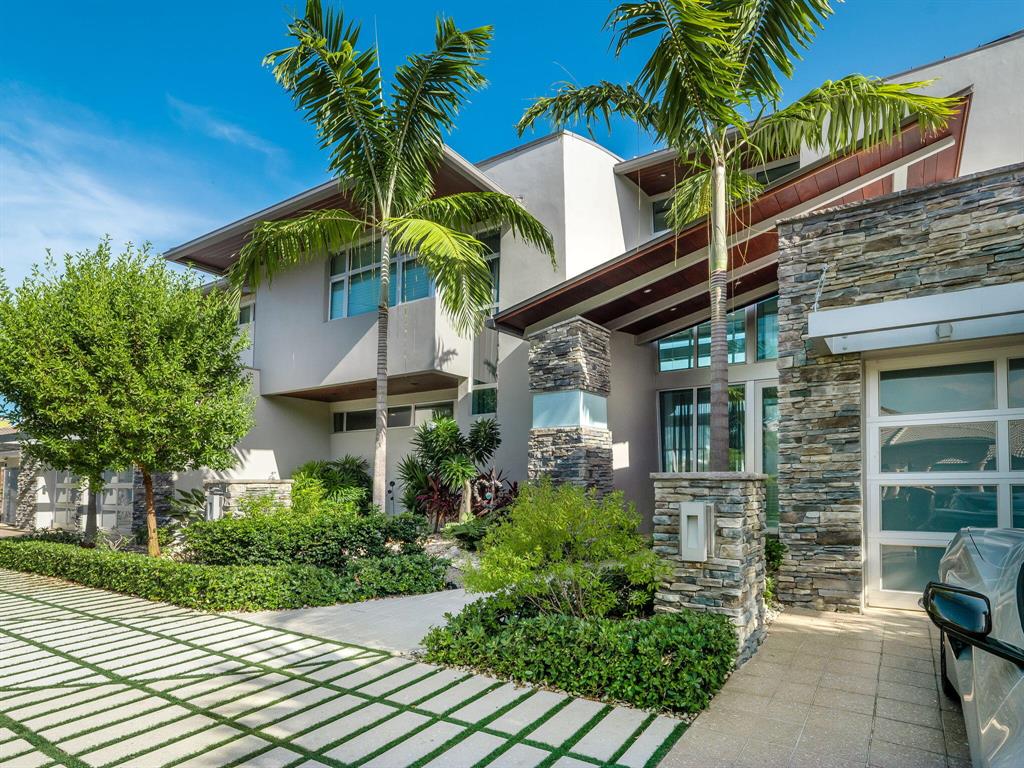
Pompano Beach
Reframing exceptional waterfront value beyond traditional comparables in Pompano Beach, Florida.
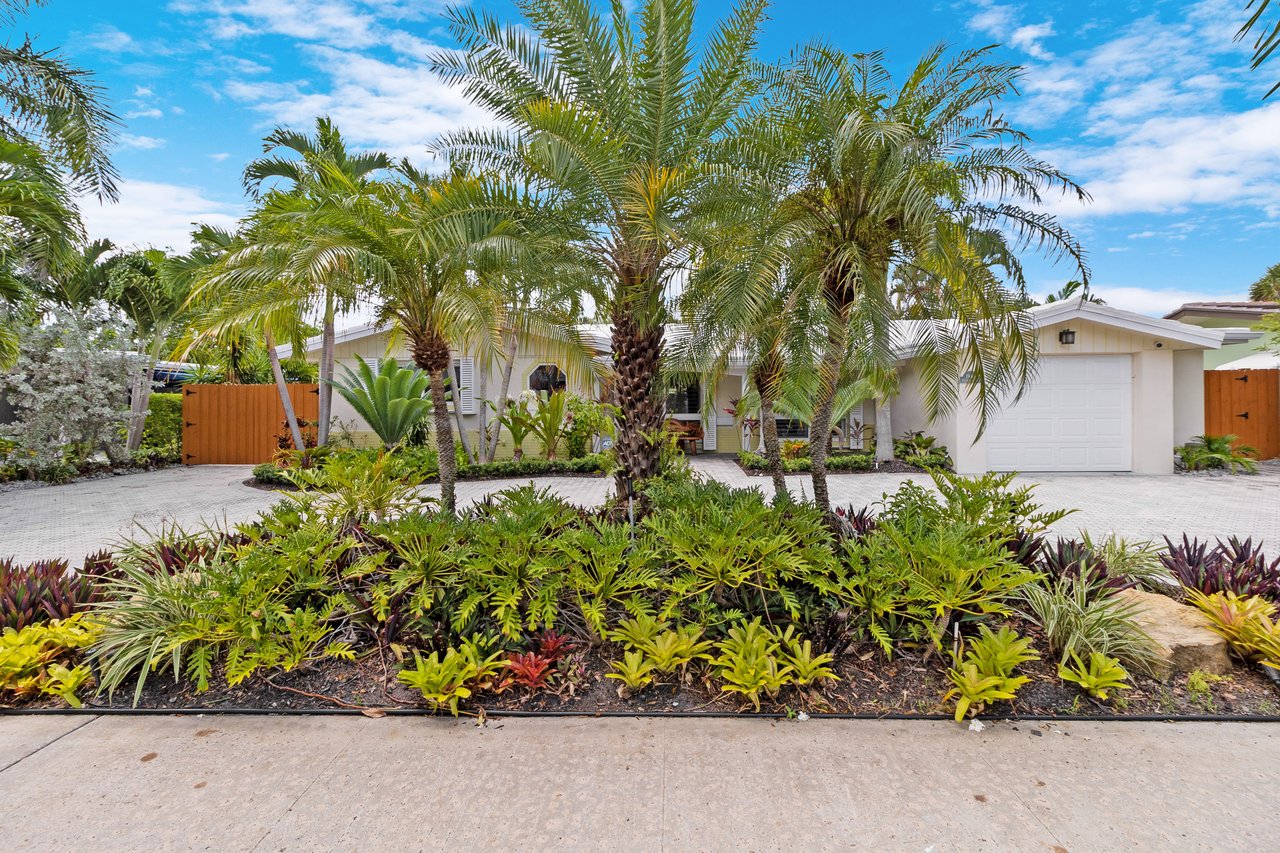
Fort Lauderdale
Replacing a failed first impression with a complete marketing relaunch in Fort Lauderdale, Florida.
Every home is unique. Let's build a customized marketing strategy tailored to your goals to maximize your home's value.