How We Turned an Off-Market Constraint Into a $100,000 Over-Ask Cash Sale in Lighthouse Manor
Lighthouse Point
Lighthouse Point
At 3820 NE 23rd Ave in Lighthouse Point's Lighthouse Manor neighborhood, the homeowners faced a difficult selling constraint: they wanted more than $1.1 million without a public listing while limiting showings to just 2 days each week.
The transaction demonstrated how we:
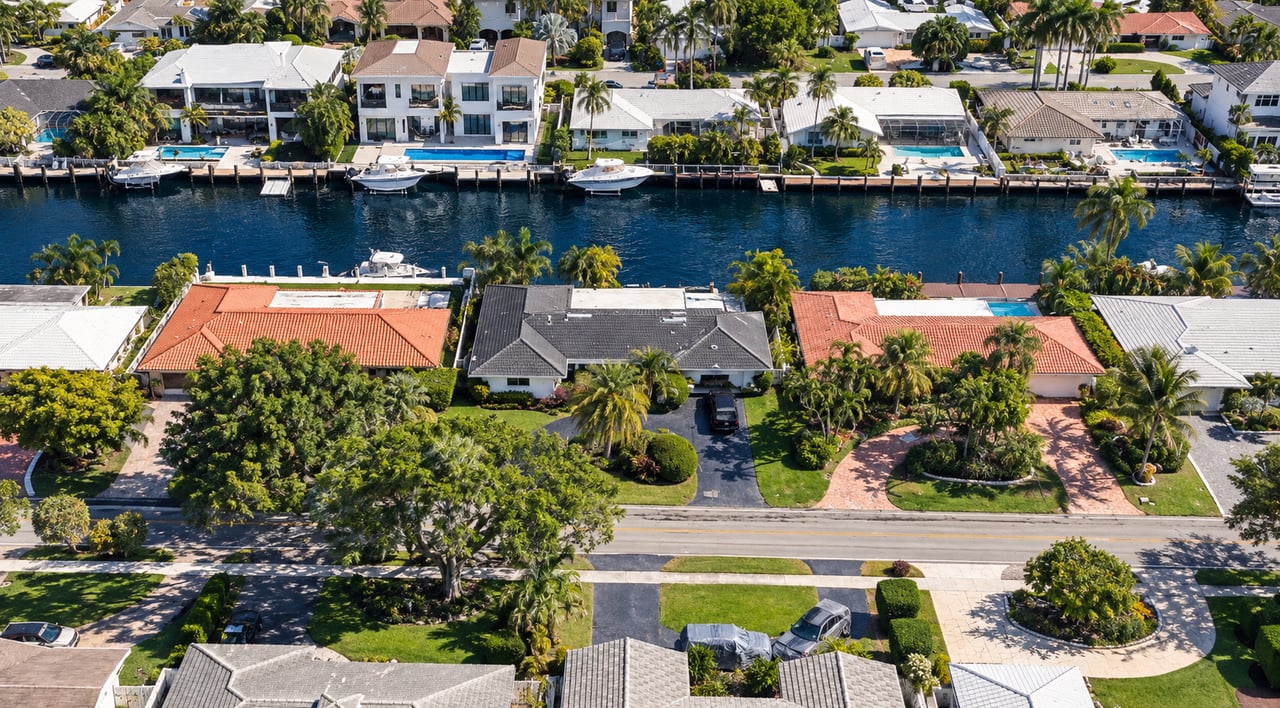
For buyers drawn to Lighthouse Point waterfront living, 3820 NE 23rd Ave offered the elements that mattered most: canal frontage, private dockage, open water access, and a backyard centered around the pool and water.
The home paired those waterfront advantages with the practical scale of a single-family residence, giving us a clear story to communicate even though most buyers would never encounter the property through a traditional public listing.
Click any image to view it in detail.
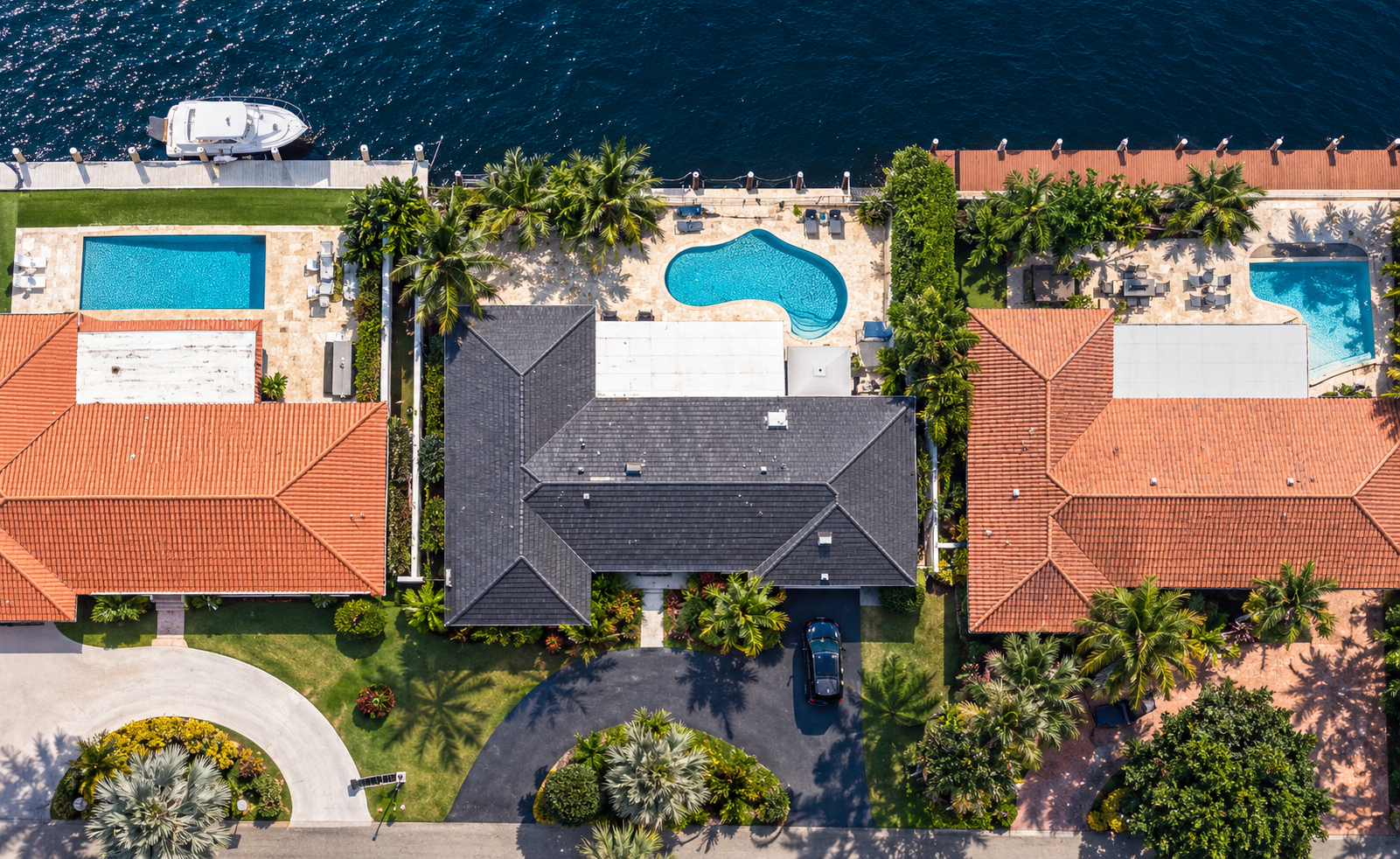
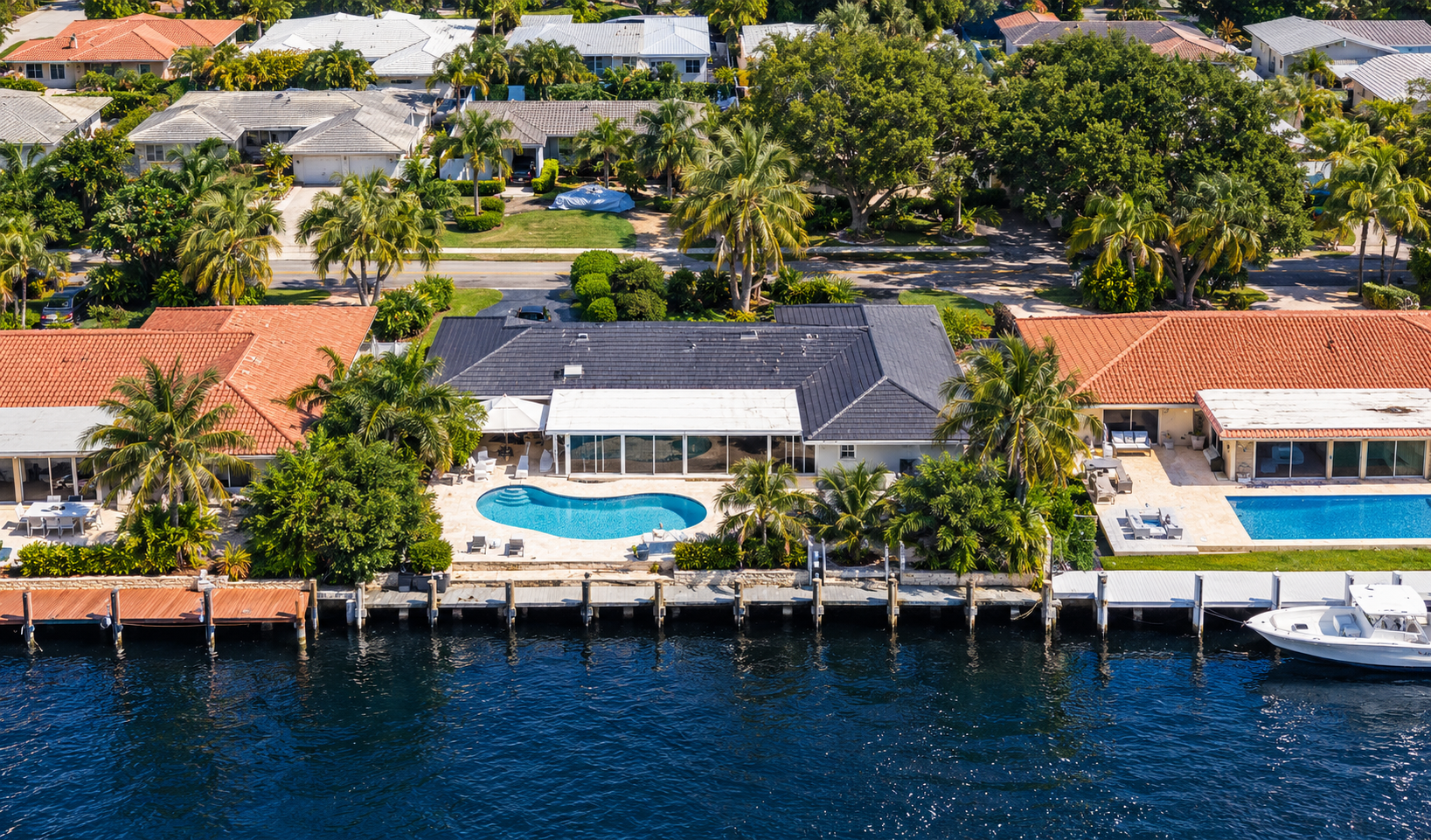
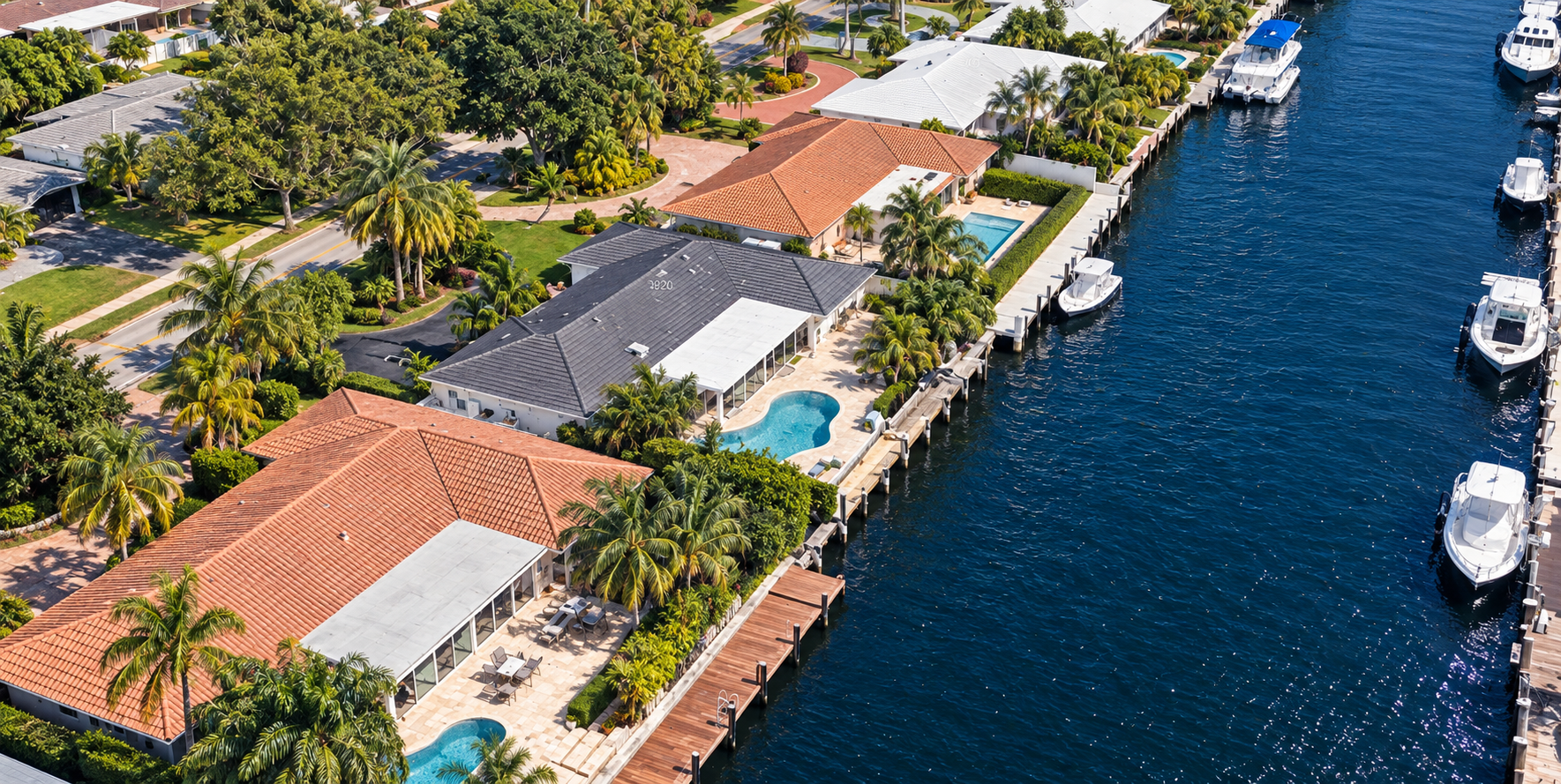
These images are AI-generated illustrations based on publicly available aerial imagery for reference to the property's location and general layout. They are not actual photographs of the property and may not accurately depict its current condition, features, or appearance.
The property's waterfront position gave buyers a reason to pay attention. The challenge was creating that attention while working within the family's unusually narrow showing schedule.
The homeowners were not moving simply because they wanted a different house.
They had 2 young children, another child on the way, and needed more space. At the same time, working from home and caring for young children made a conventional selling process difficult.
Success had several parts.
They wanted more than $1.1 million. They did not want the property publicly listed. And they wanted showings restricted to just 2 days per week.
Those priorities immediately changed how the sale needed to be handled.
A traditional launch would have made the property easier for buyers to discover, but it would also have created the kind of showing schedule the family was trying to avoid.
The strategy had to respect those boundaries without allowing them to become excuses for a weaker result.
The defining decision was to sell without relying on the MLS, Zillow, Realtor.com, Redfin, or the other public channels buyers normally use to discover available homes.
That choice came with a straightforward tradeoff.
Fewer people would know the home was for sale.
At the same time, the sellers had established a clear financial objective. They wanted more than $1.1 million.
The solution was not to let the property disappear simply because it was off-market.
We built the campaign around reaching buyers directly, concentrating on people already looking at homes in the surrounding area rather than waiting for a public listing to generate discovery.
That decision became the foundation for everything that followed.
Because buyers could not discover the home through a conventional public listing, the digital presentation had to do more of the selling before anyone scheduled a showing.
We created professional photography, a 3D tour, twilight imagery, and a digital floor plan so buyers could understand the property before requesting access.
That mattered because showings were limited to 2 days each week.
A buyer needed enough information to decide that the home was worth seeing before a visit was ever arranged.
The marketing then went directly to potential buyers.
We used Google, Facebook, Instagram, and Bing advertising with geographic targeting designed to reach people already looking at homes in the area. Multiple versions of the campaigns gave buyers several ways to encounter the property.
Instead of waiting for an MLS search to produce the right person, the campaign created its own route to the buyer.
This transaction did not require dozens of showings.
It required the right buyer.
The campaign produced 1 offer, but it was the kind of offer the sellers needed.
The buyer was prepared to pay cash and offered more than the sellers' asking price.
For a home that had never been publicly listed, that was the response we were looking for.
The sellers had chosen to reduce exposure and control access. The buyer we reached still saw enough value in the home to act decisively.
The family's move did not end when the sale closed.
They still needed time to transition into their next home.
That made post-closing occupancy especially valuable.
As part of the agreement, the buyer allowed the sellers to remain in the property for 3 weeks after closing while they worked through the next stage of their move.
That term solved a problem the purchase price alone could not.
Without it, the sellers could have been forced to coordinate the closing, move a growing family, and prepare for their next home within the same narrow window.
Instead, the contract gave them room to move on a more manageable schedule.
The cash structure also removed a buyer-financing component from the transaction.
For these homeowners, the strongest agreement combined the financial result with terms that made the move workable.
Once the agreement was reached, the challenge changed.
The marketing had found the buyer. Now the transaction had to preserve the terms that made the offer valuable to the sellers.
We carried the cash contract through closing while keeping the agreed 3-week post-closing occupancy intact.
Those details mattered.
The sellers did not simply need an attractive contract. They needed the agreement to hold together through closing so the convenience they had negotiated became real.
For the family, the result was a sale they described as stress-free and convenient, followed by enough time to prepare for their next move.
They were not moving simply to complete a real estate transaction.
They were making room for what came next.
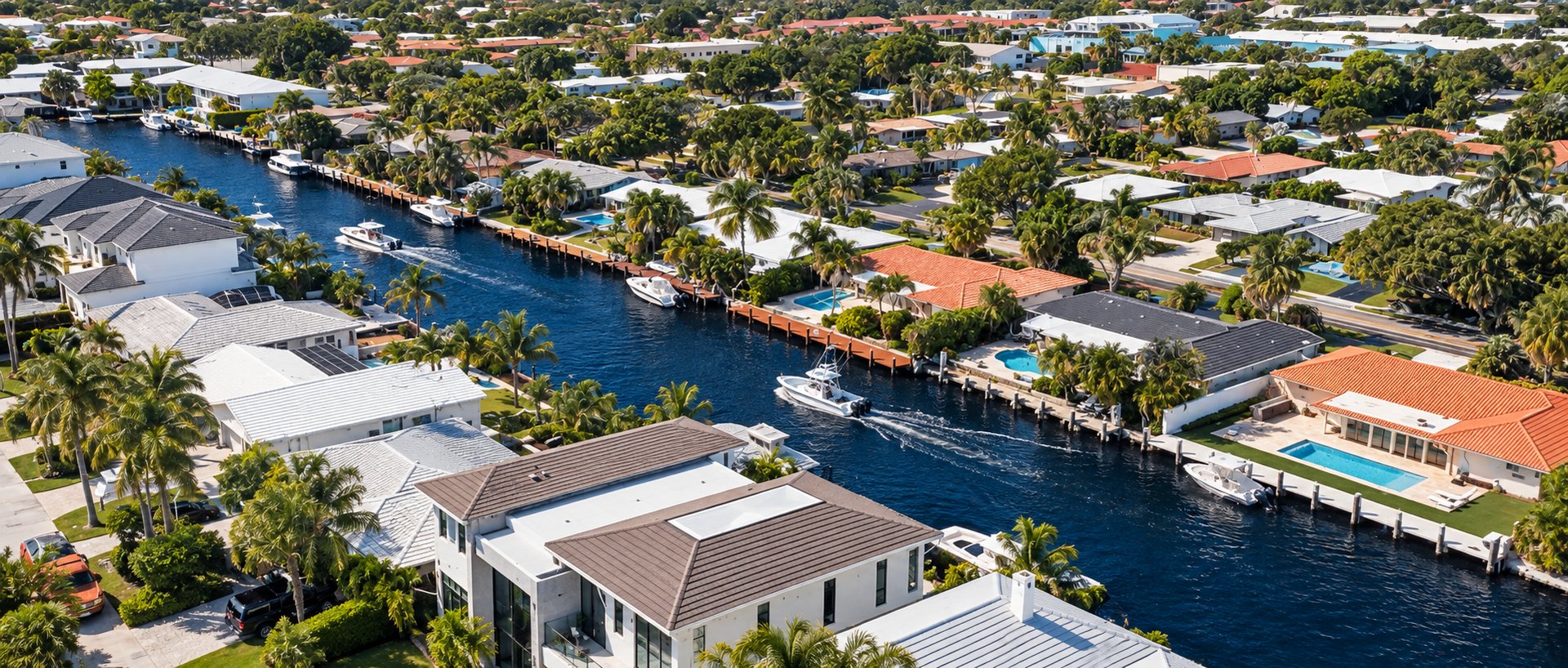
These images are AI-generated illustrations based on publicly available aerial imagery for reference to the property's location and general layout. They are not actual photographs of the property and may not accurately depict its current condition, features, or appearance.
The sale achieved the financial objective the homeowners established before marketing began. They wanted more than $1.1 million, and the property ultimately sold for $1.2 million in cash.
Just as important, they did not have to trade their family's privacy and schedule for the financial result.
The contract preserved the controlled selling process they wanted and gave them another 3 weeks after closing to prepare for the move.
For these homeowners, success was measured by the combination. They achieved the price they wanted, kept the home off the public market, limited interruptions to their family, and negotiated enough time to transition comfortably.
The result worked because the sale was built around the family's actual constraints rather than forcing them into a conventional process.
Selling off-market involves a real tradeoff.
Removing a home from the MLS and other public real estate websites reduces exposure. Restricting showing availability narrows the buyer pool further.
That can still be the right choice when privacy, control, or family logistics matter enough to justify it.
The important question is what replaces the exposure being removed.
A private sale needs a clear path to qualified buyers. Strong photography and digital presentation become more important because buyers may need to decide whether the property deserves a showing before ever seeing it in person. Targeting matters because there are fewer opportunities to reach the right audience. Pricing matters because the market has fewer chances to provide feedback.
Seller priorities matter just as much.
At 3820 NE 23rd Ave, the homeowners did not want the broadest possible launch. They wanted a manageable sale that still produced the financial result necessary for their next move.
The direct-to-buyer strategy created that opportunity.
The larger lesson is simple: decide what success looks like before deciding how the home should be sold.
An off-market strategy should serve the homeowner's goals, not simply keep the property out of public view.
The sellers did not want a public MLS launch and limited showings to 2 days each week. Buyers therefore needed enough information to decide whether the property was worth seeing before requesting access.
Professional photography, a 3D tour, twilight imagery, floor plans, and targeted digital marketing helped buyers evaluate the home while keeping the process manageable for the family.
An off-market sale needs another credible path to qualified buyers.
That can include direct buyer outreach, existing buyer relationships, targeted digital campaigns, and strong property presentation. With a smaller audience, the quality and relevance of that audience become more important than simply reaching the greatest number of people.
Post-closing occupancy can give homeowners time to move after the sale is completed.
For families coordinating another purchase, children, work schedules, or other moving logistics, that flexibility can reduce pressure during the transition.
In this transaction, the sellers received 3 weeks of post-closing occupancy.
Yes, by definition the property is not receiving the same broad public exposure as a conventional MLS launch.
That does not determine the eventual result, but it changes the strategy. The seller needs another credible way to reach buyers, and there may be fewer opportunities for competition and market feedback.
A private sale can work when the homeowner has clear priorities and the marketing compensates for reduced exposure.
At this property, strong digital presentation, targeted buyer outreach, and contract terms designed around the family's move allowed the sellers to maintain their boundaries without giving up the result they were pursuing.
The key is to define success first, then build the selling strategy around it.
Considering selling a luxury or waterfront property? Request a home valuation to better understand how your property's features, location, and current market conditions may influence its value.
Want to see what sellers say about working with our team? Read our seller reviews to learn about their experiences.
Exploring South Florida real estate? Explore our South Florida neighborhoods to learn more about the areas we serve.
Photography by AccuTour
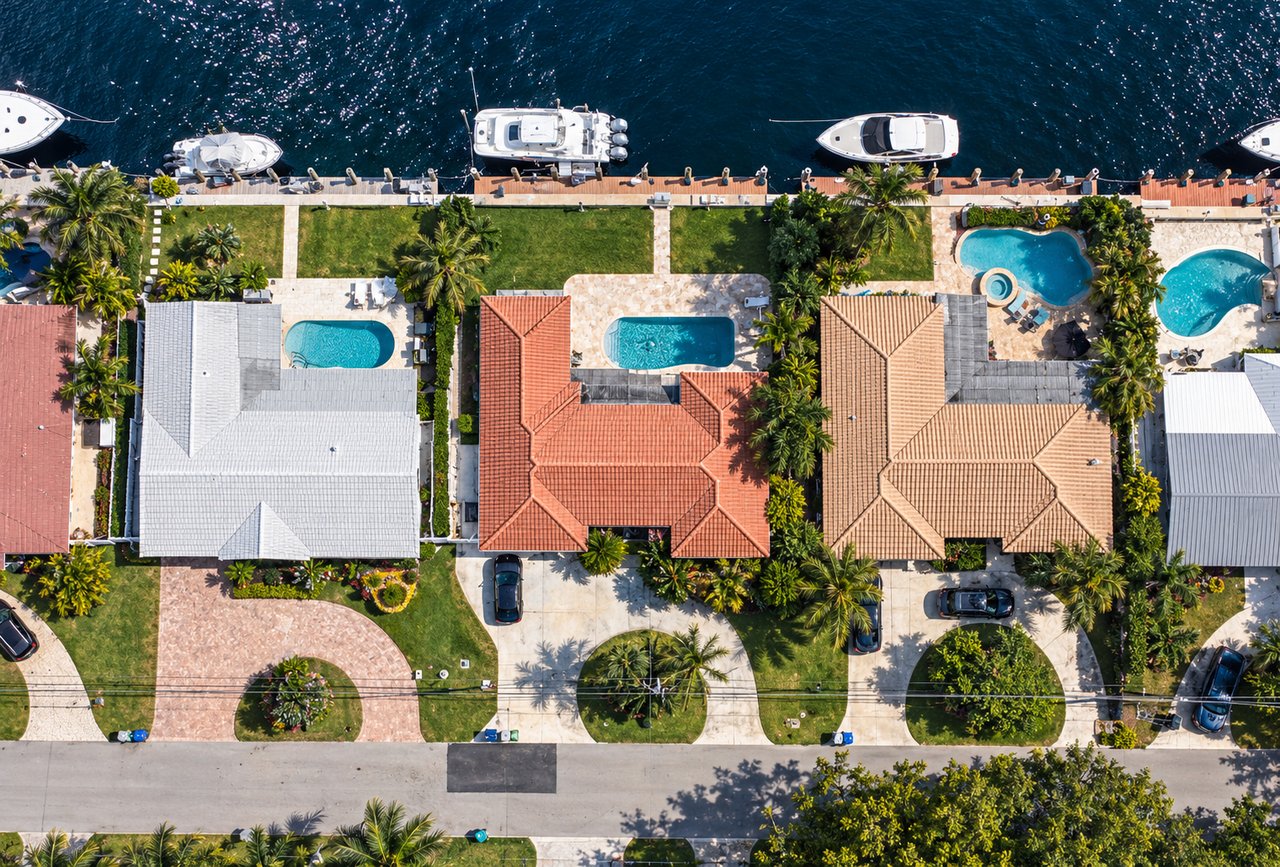
Pompano Beach
Keeping a Pompano Beach waterfront sale moving as COVID-19 changed the market.
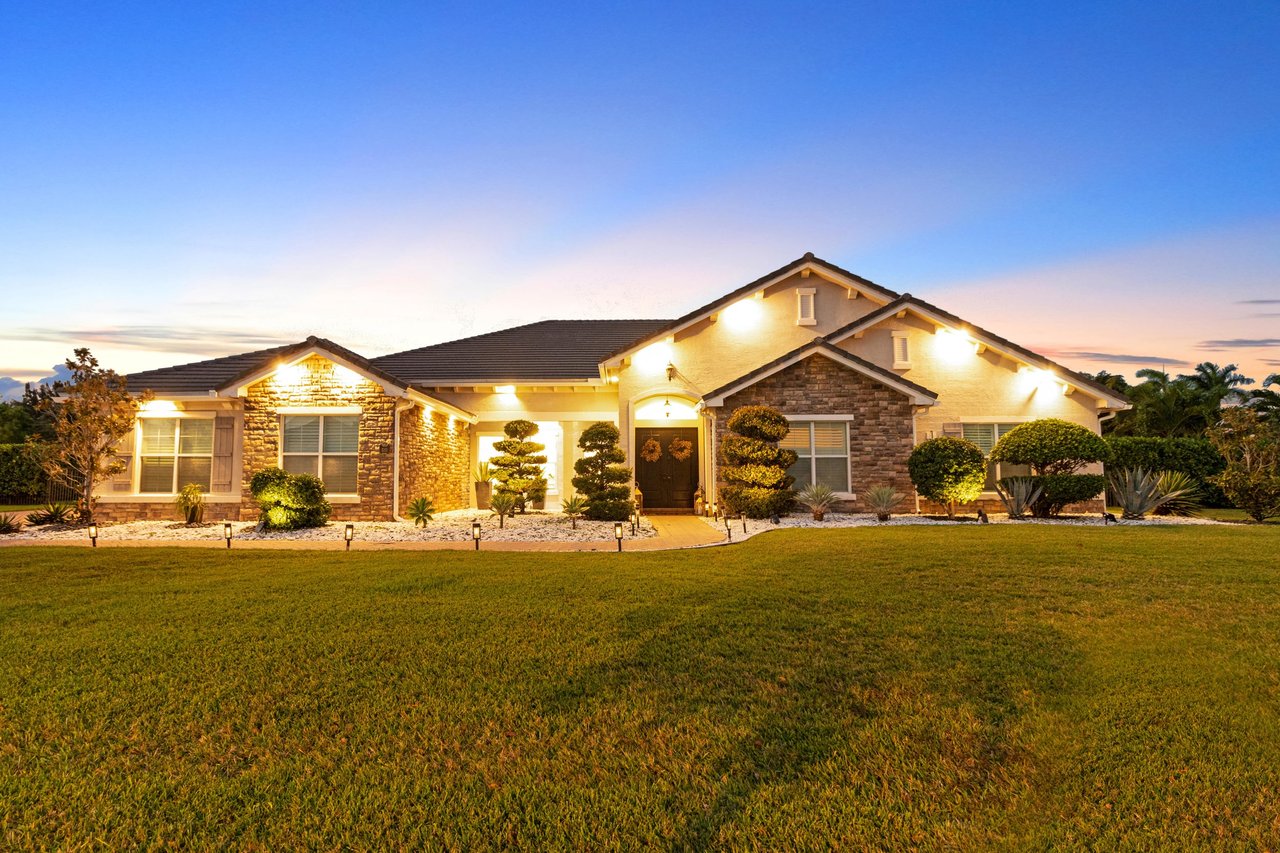
Davie
Preparing for appraisal while making the home's upgrades easy to see in Davie, Florida.

Pompano Beach
Using future-value positioning and targeted marketing to keep buyers engaged as expectations rose in Pompano Beach.
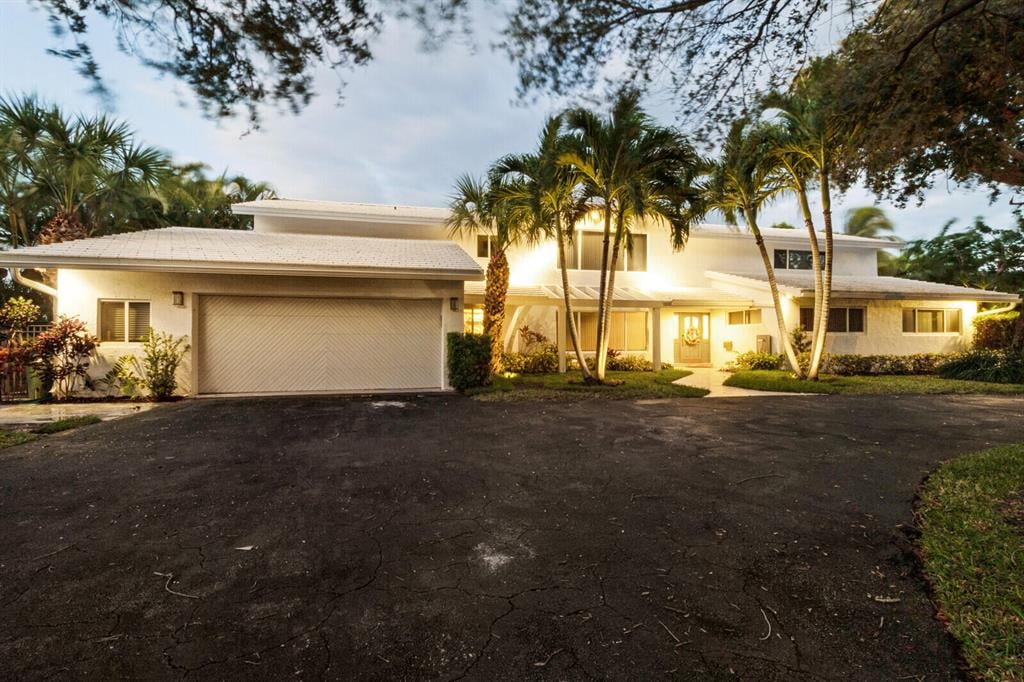
Fort Lauderdale
Giving buyers a credible path beyond the home's biggest objection in Fort Lauderdale.
Pompano Beach
Reframing exceptional waterfront value beyond traditional comparables in Pompano Beach, Florida.
Fort Lauderdale
Replacing a failed first impression with a complete marketing relaunch in Fort Lauderdale, Florida.
Every home is unique. Let's build a customized marketing strategy tailored to your goals to maximize your home's value.