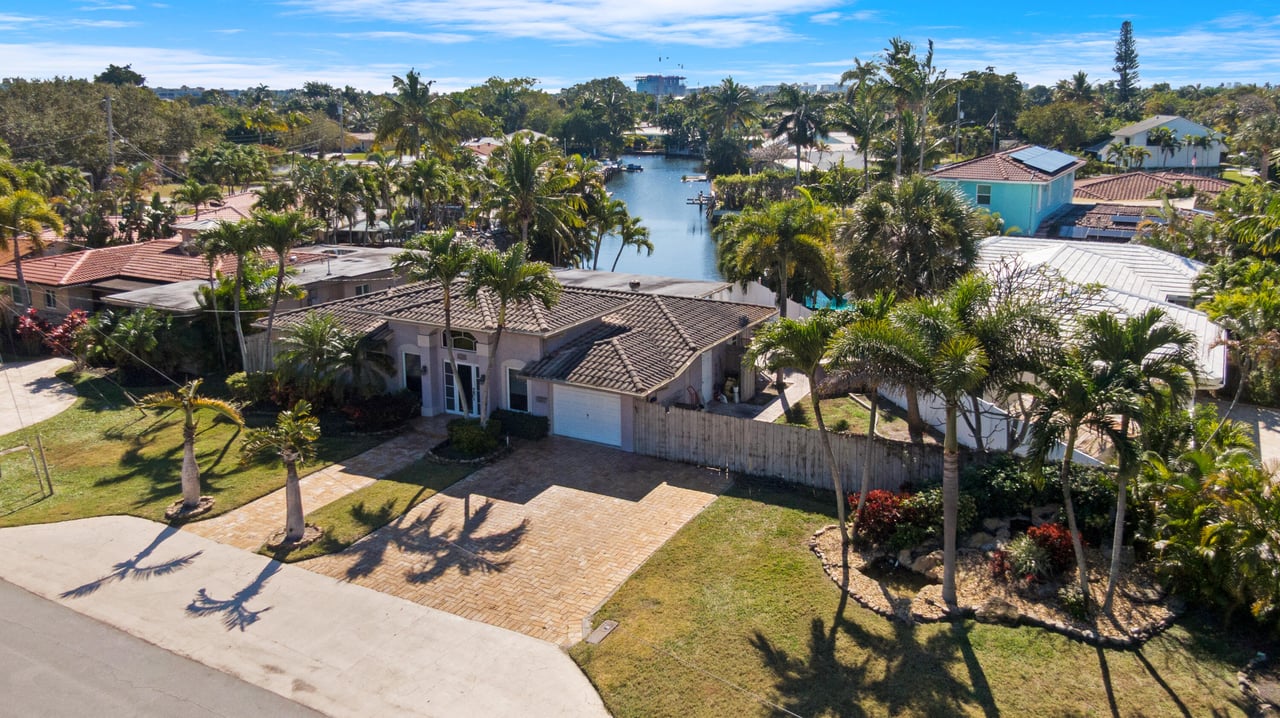
Selling an Older Home in South Florida? Here's What Every Homeowner Should Know Before Listing
Insights & Guides
Insights & Guides
If you’ve lived in your home for twenty or thirty years, you may have wondered whether today’s buyers will still appreciate it. It’s an understandable concern. New communities continue to appear throughout South Florida, while model homes and real estate advertising emphasize open floor plans, oversized kitchen islands, and modern finishes.
That concern often leads to a second question: will you need to renovate everything before selling?
In most cases, that is the wrong place to begin.
Many of South Florida’s most desirable neighborhoods are filled with homes built decades ago. Buyers continue to seek them out for larger lots, mature landscaping, waterfront locations, established surroundings, and architectural character that newer developments may not offer.
Buyers are not always looking for the newest home.
They are looking for the right one.
Understanding how buyers evaluate older properties can help you decide what to repair, what to leave alone, how to prepare the home, and how to position it before listing.
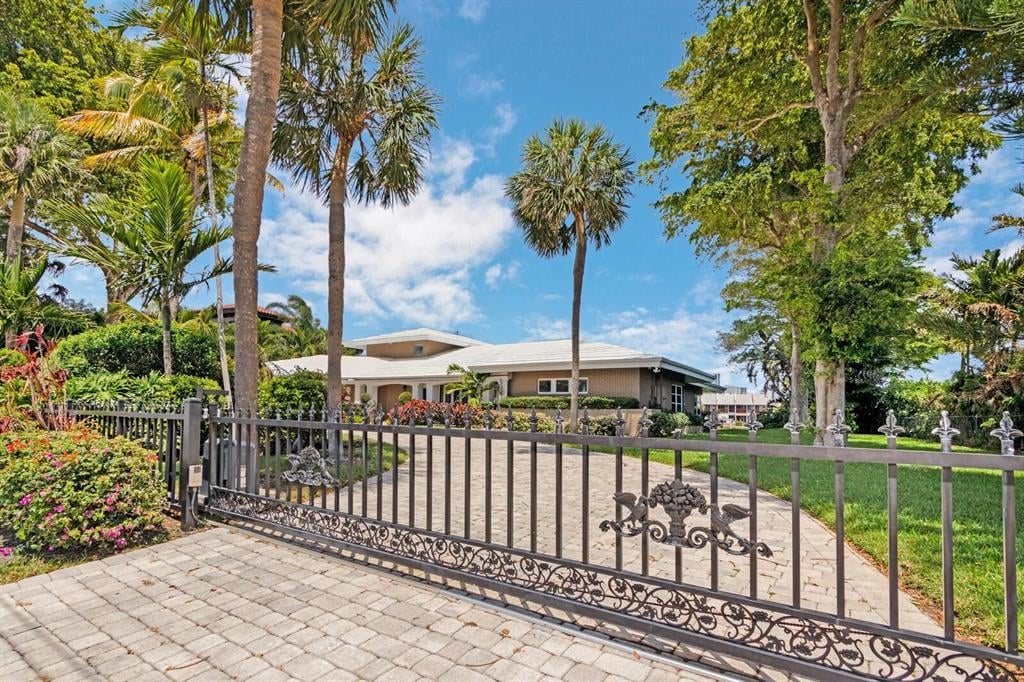
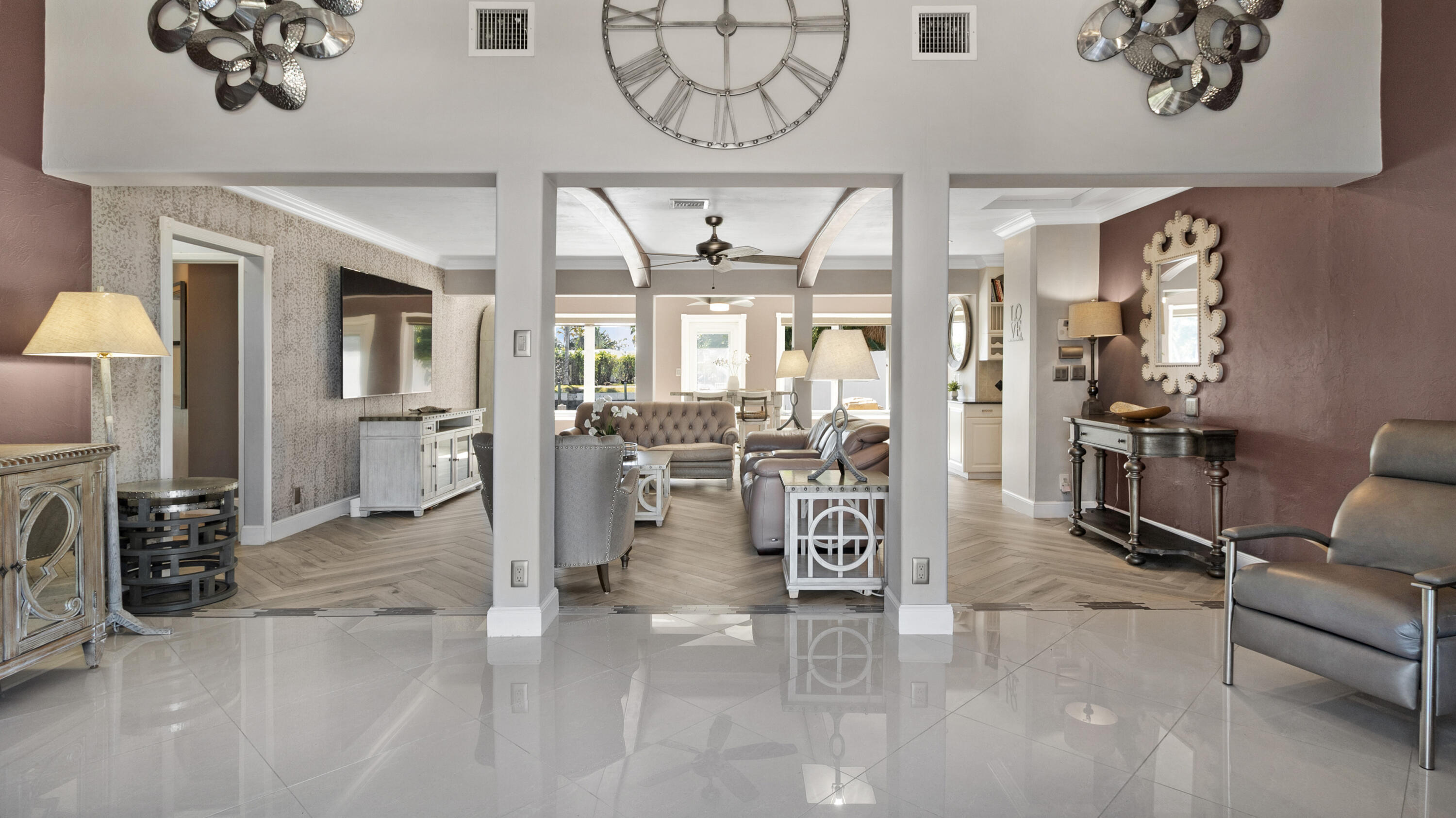
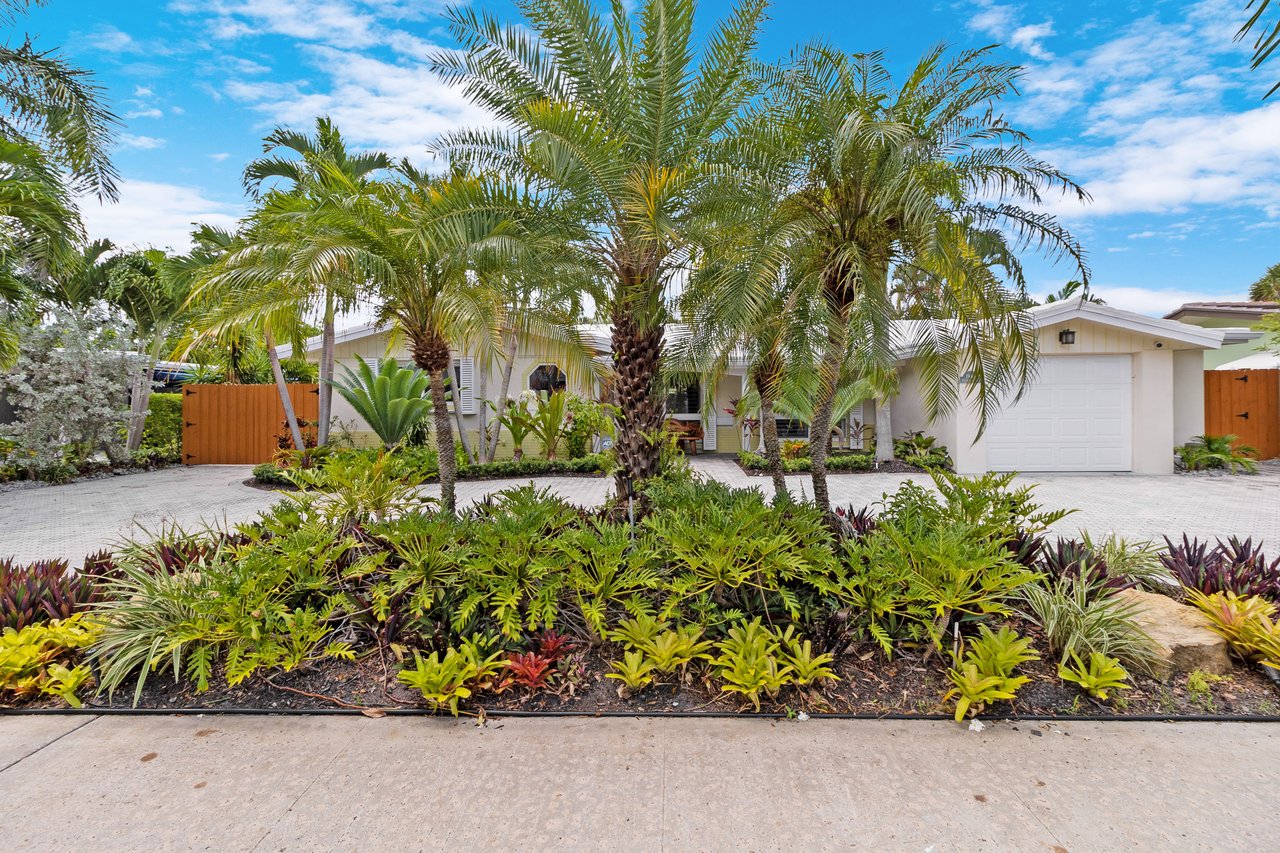
Property built in 1960 sold at premium price by Ryan Critch Real Estate
One of the biggest misconceptions homeowners have is that buyers automatically place more value on newer construction.
While some buyers specifically want a brand-new home, many actively search for older properties because established homes and neighborhoods can offer qualities newer developments may not.
Consider some of South Florida’s established communities. Neighborhoods such as Coral Ridge, Imperial Point, Lighthouse Point, Rio Vista, Victoria Park, Harbor Beach, and many waterfront communities were developed decades ago. Yet buyers continue to pursue homes in these areas because of their locations, larger homesites, mature landscaping, waterfront access, and architectural character.
The existence of newer competition does not automatically mean an older property must be discounted.
Buyers compare the complete package. They consider location, lot size, condition, updates, architectural character, outdoor living space, neighborhood appeal, and the lifestyle each property offers.
The construction year is only one part of that evaluation. Rarely is it the deciding factor by itself.
They are not simply purchasing a structure. They are evaluating the setting, convenience, privacy, surroundings, and features that may be difficult to reproduce elsewhere.
That is why the conversation should not begin with the year the home was built. It should begin with how the property has been maintained, what it offers today, and how those strengths compare with the alternatives currently available.
Age is one characteristic of a home.
It is not a pricing strategy.
Consider two neighboring homes.
The first was built in 1965 and has a replaced roof, updated electrical and plumbing systems, impact windows, and a clear maintenance history.
The second was completed in 2020 but shows signs of neglect. Paint is peeling, the landscaping has been overlooked, several fixtures are not working properly, and the air-conditioning system has not been serviced consistently.
The newer construction date may attract initial attention, but the older property may ultimately inspire greater confidence.
Buyers are trying to understand what they will inherit after closing. In South Florida, that often means asking questions about the roof, electrical system, plumbing, HVAC equipment, windows, permits, and storm-related improvements.
Common questions include:
These questions do not necessarily signal a lack of interest. They help buyers estimate future expenses, insurance requirements, and the practical realities of ownership.
The condition of a home's windows can be particularly relevant in South Florida because buyers may consider energy efficiency, indoor comfort, storm protection, and long-term performance. ENERGY STAR notes that window performance is influenced by factors including frame material, glazing, gas fills, spacer systems, and overall window design.
Before listing, homeowners should consider which improvements, maintenance records, and documentation can help demonstrate that the property has been responsibly cared for.
The year a home was built appears in the property record. Its condition, updates, and level of maintenance are what buyers evaluate when they walk through the front door.
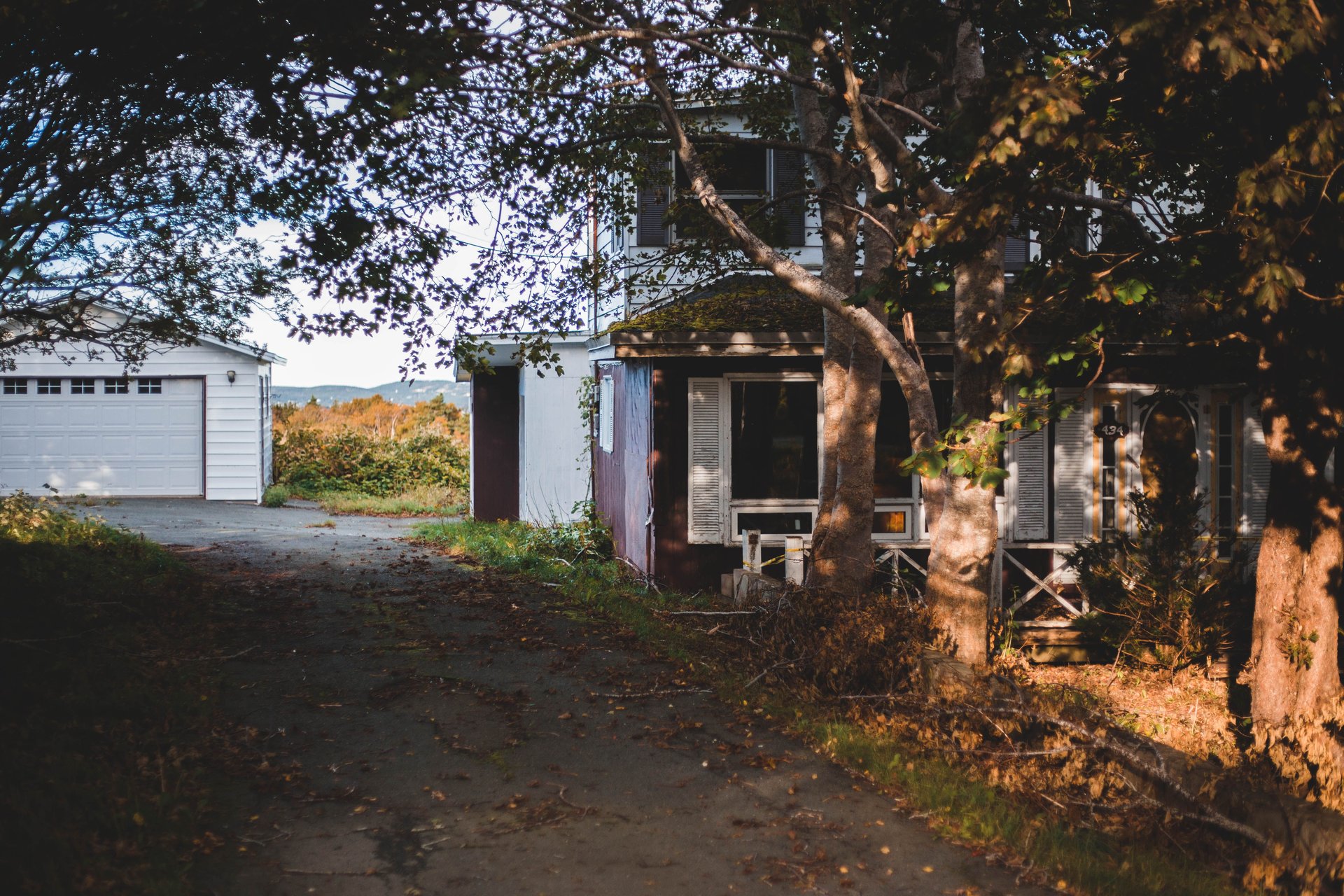
Buyers rarely evaluate visible issues in isolation.
A cracked driveway may be cosmetic. A stained ceiling may suggest a moisture problem. When several concerns appear together, buyers often begin questioning the overall maintenance history of the property.
Picture arriving at a showing.
Before reaching the front door, you notice overgrown landscaping, dirty windows, peeling paint around the entrance, and a damaged section of soffit. None of these items alone may be especially expensive to address.
Together, however, they can create uncertainty.
A buyer may begin wondering, “If these visible items have not been maintained, what else might appear during the inspection?”
Not every issue needs to be repaired before listing. The goal is to identify which items could undermine buyer confidence and which are unlikely to affect the overall impression.
A seller may reasonably decide not to replace an older bathroom vanity. That is different from ignoring an active leak beneath it.
Similarly, buyers may accept dated finishes. They are usually less comfortable with signs that maintenance has been postponed indefinitely.
Addressing a handful of visible concerns can often change the story buyers tell themselves about the rest of the home.
Once homeowners begin thinking about condition, many immediately assume they need to renovate.
That can become an expensive mistake.
Some sellers delay listing because they believe they must replace every floor, remodel the kitchen, update all of the bathrooms, and modernize the entire interior before buyers will respond.
Sometimes major renovations make sense.
Many times, they do not.
Before committing to a large project, consider three questions:
A major kitchen renovation may improve the property, but it may not produce a dollar-for-dollar return. The eventual buyer may love the home yet still plan to redesign the kitchen according to their own preferences.
The National Association of REALTORS®' 2025 Remodeling Impact Report found that remodeling projects vary considerably in homeowner satisfaction, REALTOR®-observed buyer demand, and estimated cost recovery. The report also found that REALTORS® most frequently recommended painting the entire home, painting one interior room, and installing a new roof before listing a property for sale.
In many situations, sellers benefit more from repairs and presentation work that improves the experience of the entire home:
These projects may not create the dramatic “before and after” photographs associated with a full renovation. They can still have a meaningful effect on how buyers experience the property.
The objective is not to make an older home look newly built.
It is to remove distractions and help buyers understand the value already present.

Consider two similar homes.
Both have newer roofs. Both have impact windows. Both have updated air-conditioning systems.
At the first home, the seller simply says that everything has been replaced.
At the second, the seller provides permits, contractor invoices, warranty information, and maintenance records.
Which property inspires more confidence?
For many buyers, it is the second.
Documentation does not change the physical condition of a home. It can, however, reduce uncertainty about what the buyer is purchasing.
That is especially useful with older homes, where renovations and replacements may have occurred across several decades.
The exact paperwork will vary from property to property, but buyers may appreciate documentation for:
These records can become relevant at several points in the transaction. Buyers may use them when requesting insurance quotes. Inspectors may reference them while reviewing systems. They may also help clarify questions during negotiations.
Many homeowners spend weeks preparing the physical property but overlook the paperwork buyers may eventually request.
Organizing these records before listing can make the home’s history easier to understand and reduce avoidable delays after an offer is accepted.
Documentation should also be accurate. Sellers should avoid making claims about the age, condition, permitting, or warranty status of an improvement unless those claims can be supported.
If certain records are unavailable, there is no reason to panic. Homeowners may not have every receipt or permit from decades of ownership.
The goal is not perfection.
The goal is transparency.
Paperwork does not replace a well-maintained home, but it can make the condition and history of that home easier for buyers to evaluate.
Insurance has become an important consideration in Florida home sales.
For buyers, the question is not simply whether they like the property. They also need to understand what ownership may realistically cost after closing and whether the home meets a carrier’s underwriting requirements.
Those requirements can vary by property, carrier, and buyer. The purpose of gathering information is not to predict a specific premium. It is to help buyers and their insurance professionals evaluate the home accurately.
For older properties, common areas of discussion may include:
Roof age and condition
Electrical panels and wiring
Plumbing materials
HVAC age
Impact-resistant windows and doors
Roof-to-wall connections
Opening protection
Wind mitigation features
Four-point inspections
Two reports are often discussed in connection with older Florida homes, although they serve different purposes.
A wind mitigation inspection documents construction features that may help reduce wind-related risk. These can include the roof covering, roof-deck attachment, roof-to-wall connections, roof shape, secondary water resistance, and opening protection. According to the Florida Office of Insurance Regulation and the Florida Department of Financial Services, qualifying mitigation features documented during the inspection may make a homeowner eligible for discounts on the windstorm portion of a homeowners insurance policy, although the availability and amount of any discount depend on the home's documented features and the insurer's approved rating plan.
A four-point inspection is a specialized evaluation commonly required by Florida homeowners insurance companies. It focuses on four critical systems of the home: the roof, electrical system, plumbing, and HVAC (heating, ventilation, and air conditioning). Unlike a general home inspection, its primary purpose is to help insurers evaluate a property's insurability. Buyers should confirm specific inspection requirements with their insurance professional.
Before listing, homeowners may benefit from knowing which reports already exist, whether they remain current, and whether any obvious insurance-related questions should be addressed before buyers request quotes.
Preparing documentation does not guarantee that a transaction will proceed without difficulty.
It can, however, reduce last-minute surprises.
The more clearly buyers understand the home’s major systems, the less likely insurance questions are to create uncertainty late in the transaction.
Click any image to view it in detail.
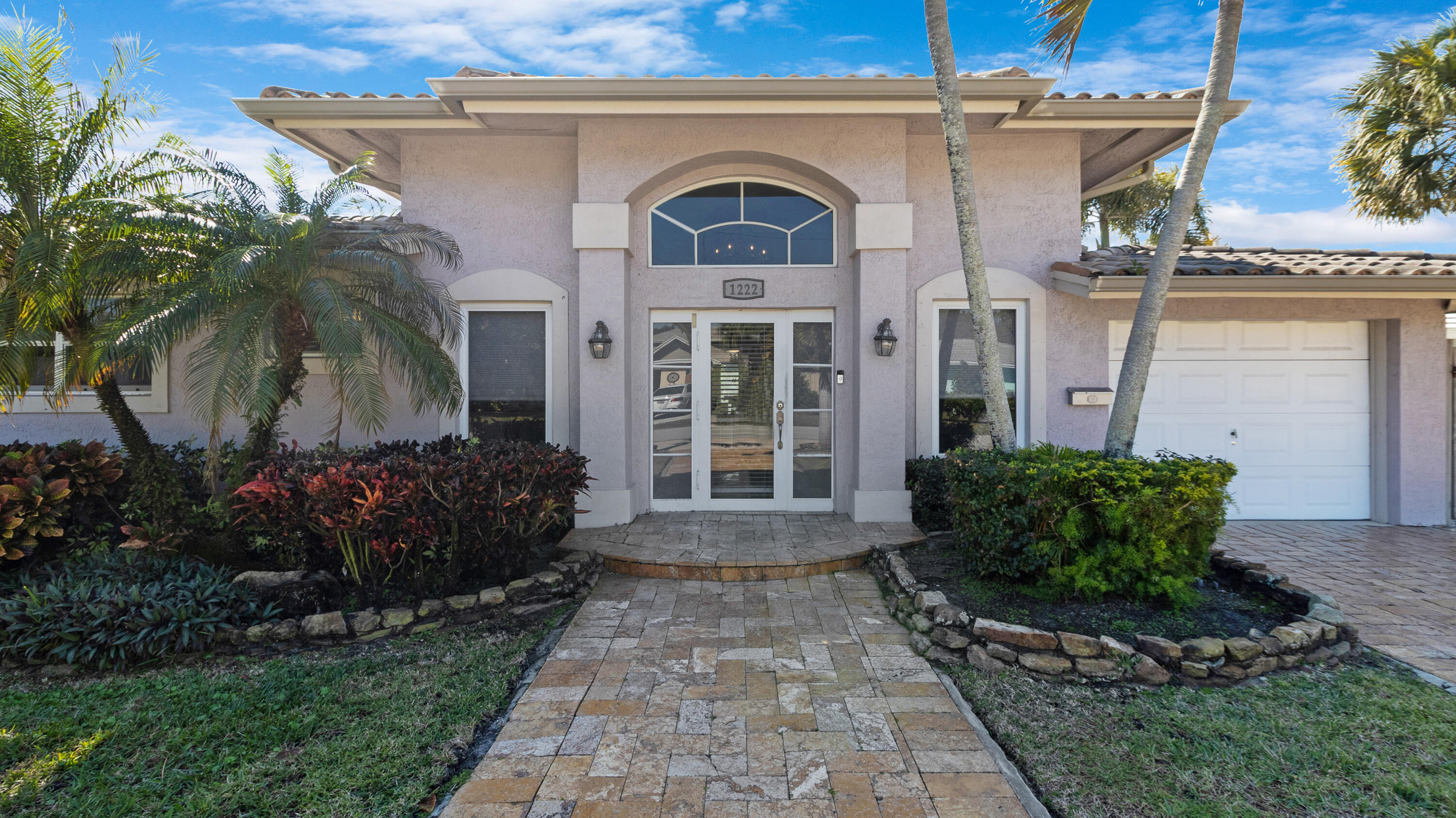
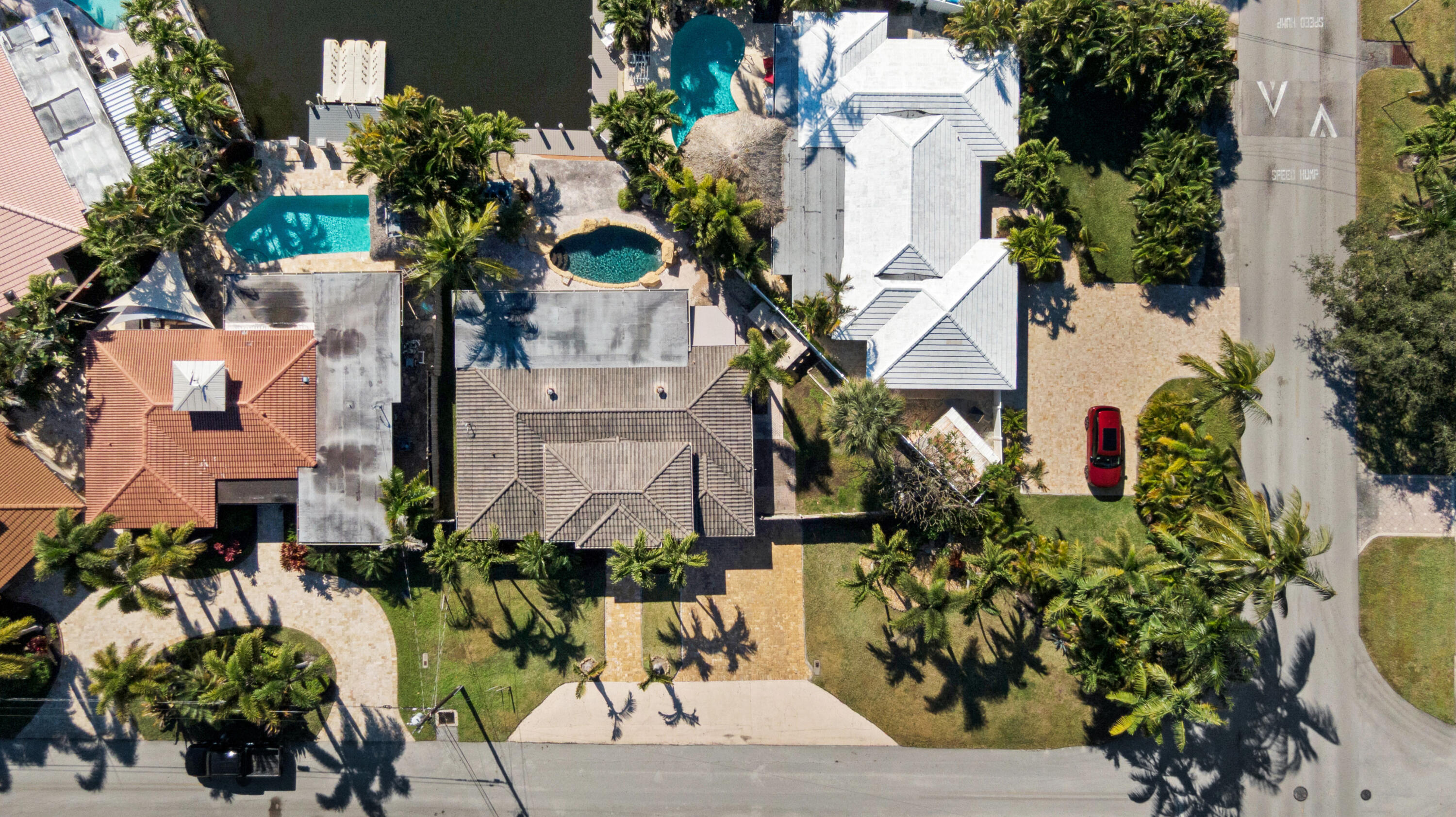
Property Built in 1958
Few decisions influence a home sale more than pricing.
For older homes, determining the right price often requires looking beyond the most obvious comparable sales.
Consider two properties with identical square footage.
One has been extensively renovated. The other remains largely original.
They are unlikely to receive the same buyer response.
Now consider another pair of homes. One sits on an oversized waterfront lot. The other is located several miles inland on a smaller parcel.
Again, square footage tells only part of the story.
Price per square foot can be useful as a reference, but it is rarely sufficient on its own. It does not fully capture renovation quality, lot utility, waterfront access, street location, insurance-related improvements, outdoor living space, or the difference between original and updated condition.
A thoughtful pricing analysis should consider:
Automated estimates can provide a useful starting point, but they generally rely on available property data and recent sales. They may not fully account for features that are difficult to quantify, particularly when an older home has been substantially improved or occupies an unusual lot.
Buyers do not purchase numbers on a spreadsheet.
They purchase the complete package a property offers.
The objective is not to price an older home as though its age does not matter. It is to ensure that age is weighed alongside every other factor influencing value.
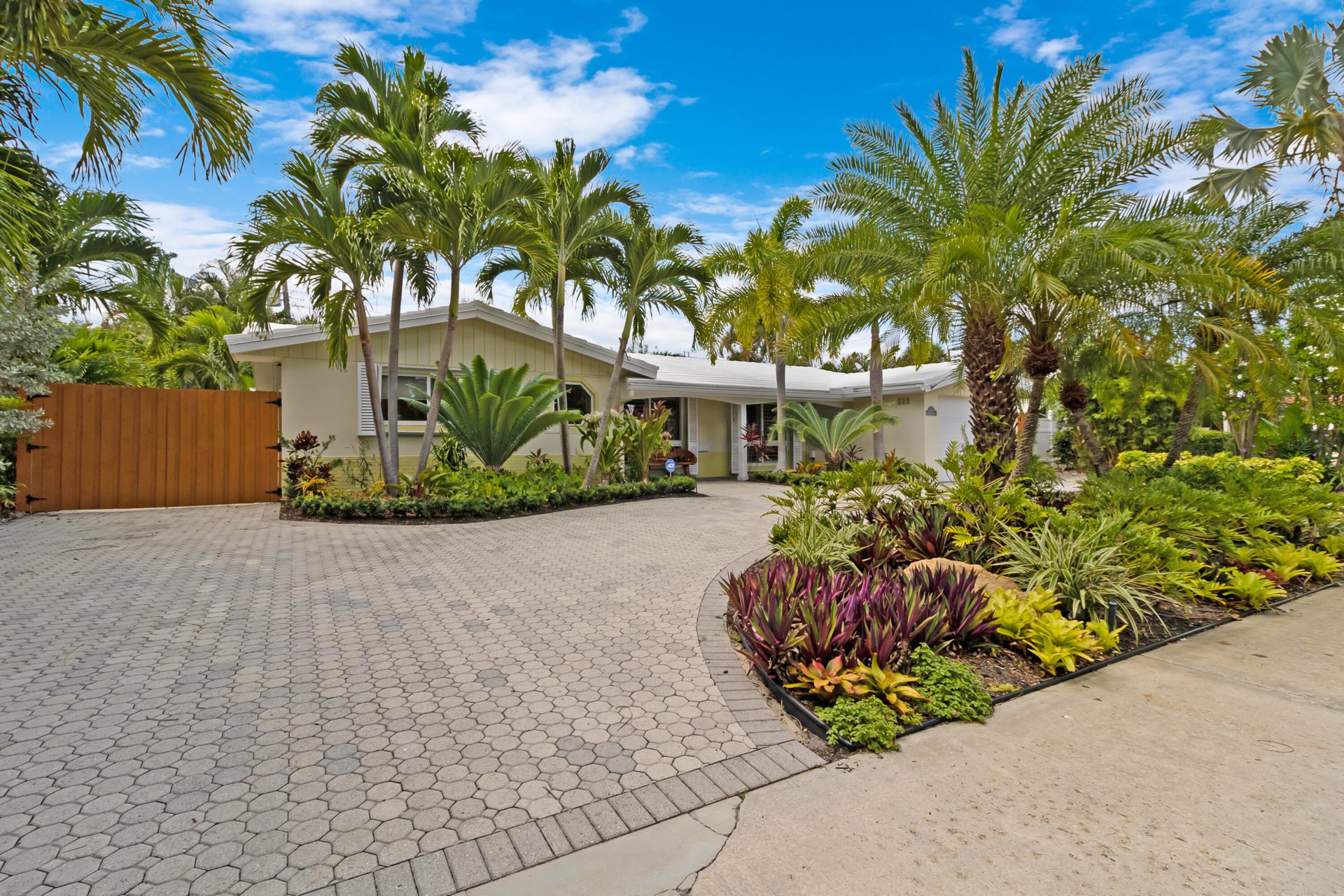
New construction has clear advantages, but established homes can offer something different.
Many South Florida neighborhoods were developed long before today’s master-planned communities. Depending on the area, they may provide qualities that are difficult to reproduce in newer developments.
Those advantages may include:
Not every established neighborhood offers the same advantages. Effective marketing should focus on the qualities that are genuinely present rather than relying on broad claims about older communities.
A seller near the beach may emphasize access and walkability.
A waterfront homeowner may focus on dockage, canal width, bridge clearance, or ocean access.
A property on a larger lot may appeal to buyers seeking privacy, outdoor space, or room for expansion.
These lifestyle benefits are most persuasive when supported by specifics. Buyers respond more strongly to clear facts such as lot dimensions, distance to the beach, waterfront characteristics, nearby parks, or mature tree canopy than to generic claims such as “great location.”
Consider two otherwise similar homes.
One is in a newer development farther from the Intracoastal Waterway. The other sits in an established neighborhood near the beach beneath mature trees.
Neither property is inherently better.
They appeal to different buyers.
The goal is not to compare an older home negatively with new construction. It is to show buyers what the property and neighborhood offer on their own terms.
Long before buyers compare finishes or evaluate square footage, they begin forming an impression of the property.
That process starts at the street.
Before listing, walk from the road to the front door as though you are seeing the home for the first time. Notice what enters your field of view before you reach the interior.
Pay attention to:
At one home, the shrubs are trimmed, the driveway has been pressure washed, the windows are clean, and the front entry feels welcoming.
At another, weeds have grown into the walkway, leaves have collected near the door, and several small exterior details have been overlooked.
Neither situation changes the age of the property.
It changes how buyers interpret its condition.
The purpose is not perfection. It is consistency. A clean and cared-for exterior prepares buyers to view the interior with greater confidence.
Buyers begin interpreting the condition of the home before they cross the threshold.
Few words create more anxiety for homeowners than “inspection.”
It is easy to assume that every item in an inspection report represents a threat to closing.
In reality, an inspection gives a buyer information about the property before completing a major financial decision. Every home has imperfections, including newer construction.
For older homes, inspections may receive additional attention because buyers have questions about systems and improvements that have aged over time.
A buyer’s inspection and a pre-listing inspection are different.
A buyer’s inspection occurs after an offer is accepted and helps the buyer evaluate the property. A pre-listing inspection is arranged by the seller before the home enters the market and may help identify issues in advance.
A pre-listing inspection can be useful when:
It may be less useful when the seller already understands the property’s condition or intends to sell without making repairs.
Homeowners should also understand that discovering a condition may create disclosure obligations. The decision to complete a pre-listing inspection should therefore be discussed with the appropriate real estate and legal professionals.
The objective is not to produce a flawless inspection report.
It is to understand likely concerns, decide how to address them, and avoid being surprised during negotiations.
Preparation does not eliminate every issue.
It reduces unnecessary uncertainty.
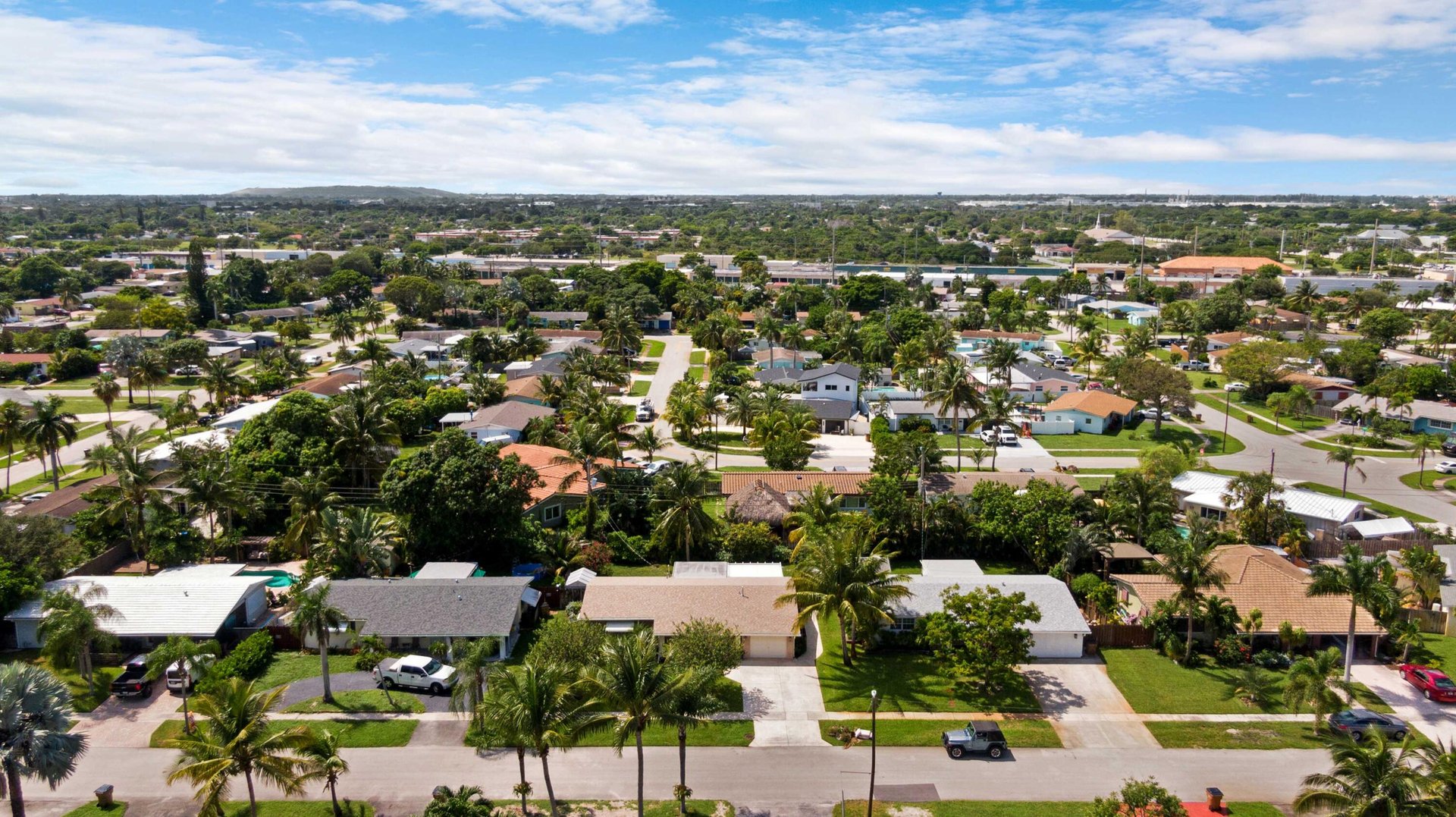
No two older homes are exactly alike.
Even properties built by the same builder, in the same year, and on the same street can produce very different results.
Consider two homes built in 1972.
One has been carefully maintained, thoughtfully updated, and sits on an oversized lot in a waterfront neighborhood.
The other has received few improvements and backs up to a busy road.
Although both share the same construction year, buyers will not evaluate them in the same way.
Local market knowledge influences decisions about pricing, repairs, presentation, timing, and which features deserve the greatest emphasis.
In one neighborhood, buyers may prioritize waterfront access over interior finishes. In another, impact windows and a newer roof may have greater influence. In a walkable district, proximity to restaurants, parks, and beaches may matter more than lot size.
A property’s value and marketability can be influenced by:
Local knowledge also helps distinguish between a feature buyers genuinely value and one that merely sounds impressive in a listing description.
The better the strategy reflects the behavior of buyers in that specific neighborhood, the less likely the home is to be priced or presented according to assumptions that do not match the market.
Every neighborhood tells its own story.
The strongest strategy begins by understanding that story first.
Not necessarily.
Begin with a property-specific evaluation before committing to major work. Repairs that improve function, insurability, safety, or buyer confidence often deserve priority over cosmetic renovations.
Many homeowners benefit more from maintenance, cleaning, paint, lighting, landscaping, and staging than from completing an expensive remodel immediately before listing.
The right decision depends on the home’s condition, budget, local competition, and likely buyer expectations.
No.
Many buyers actively pursue older homes because they offer larger lots, mature landscaping, established neighborhoods, waterfront locations, and architectural character.
Buyers are often more likely to avoid uncertainty than age. Clear maintenance records, realistic pricing, and thoughtful presentation can help reduce that uncertainty.
It depends on the roof’s condition, remaining useful life, documentation, insurance implications, and local buyer expectations.
If the roof is near the end of its useful life, replacement may improve marketability and make insurance conversations easier. In other circumstances, an inspection and supporting documentation may be sufficient.
The decision should be based on whether replacement is likely to materially improve the seller’s overall outcome.
Impact windows may improve indoor comfort, energy efficiency, and noise reduction. According to ENERGY STAR, a window's overall performance depends on factors such as the frame material, glazing, gas fills, spacer systems, and window design. Florida homeowners may also qualify for wind mitigation insurance discounts when a home includes qualifying mitigation features recognized by their insurance carrier.
Because installation can be a significant investment, the decision should reflect the condition of the existing windows, buyer expectations, competing properties, project cost, and the time available before listing.
Yes.
Many older South Florida homes are sold as-is. However, “as-is” generally does not prevent a buyer from inspecting the property, requesting changes, or canceling when permitted by the contract.
Understanding what buyers are likely to discover can still help the seller prepare, price the home appropriately, and negotiate more effectively.
Usually less than homeowners expect.
Age matters most when it affects condition, design, insurance, maintenance costs, or buyer expectations. It should not be evaluated in isolation.
Two homes built in the same year can sell for very different prices because of location, lot size, improvements, condition, and current demand.
Start by gathering records for any major improvements or repairs you've completed over the years. Helpful documentation may include roof replacement records, HVAC installation or service invoices, electrical or plumbing upgrades, impact window and door permits, appliance warranties, previous inspection reports, wind mitigation reports, and any available permits for renovations or additions.
Don't worry if you don't have every document from decades of homeownership. Most long-term homeowners don't. The goal isn't to create a perfect file. It's to organize the records you do have so buyers, inspectors, lenders, and insurance professionals can better understand the property's history and the care that's been invested in it.
Considering selling a luxury or waterfront property? Request a home valuation to better understand how your property's features, location, and current market conditions may influence its value.
Want to see what sellers say about working with our team? Read our seller reviews to learn about their experiences.
Want to learn more about the areas we serve? Explore our South Florida neighborhoods to see where our team provides real estate services.
Photography by AccuTour
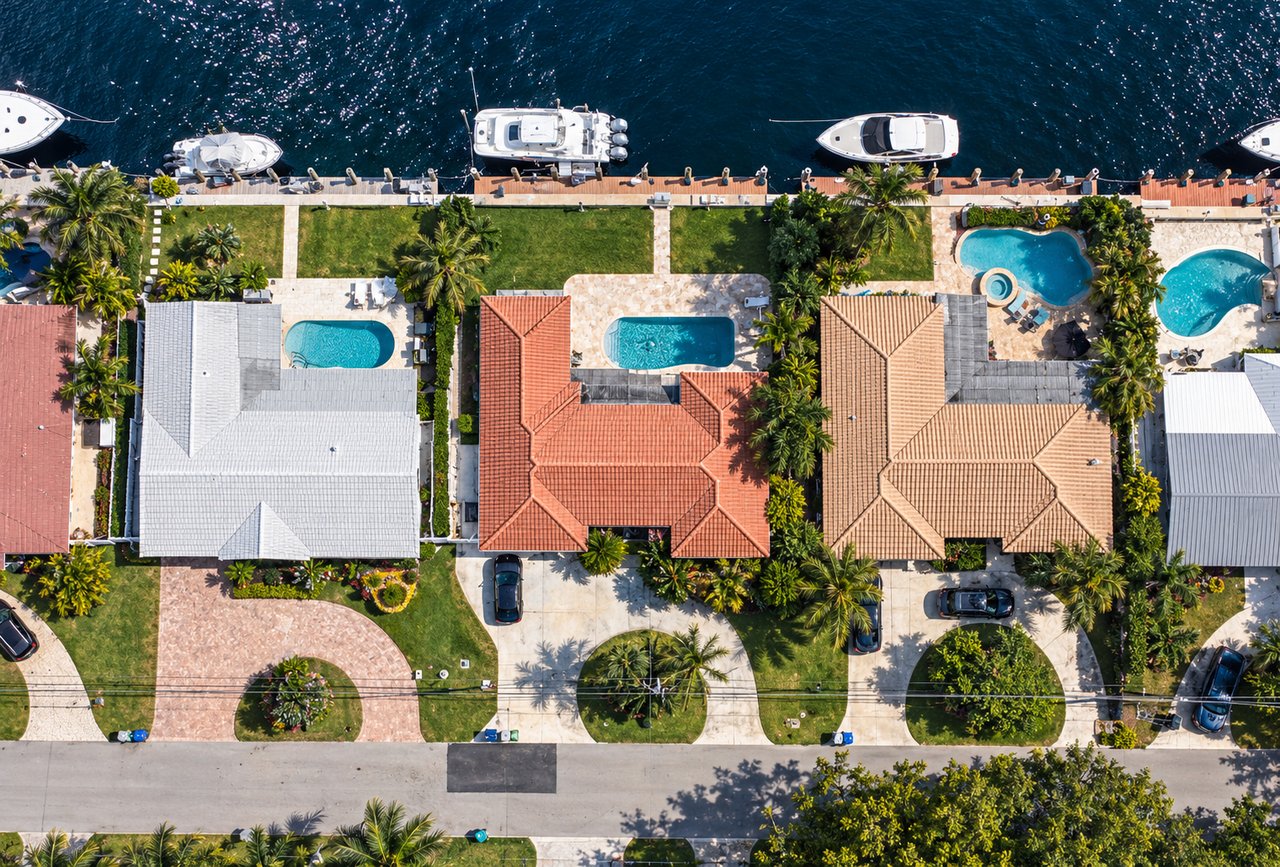
Pompano Beach
Keeping a Pompano Beach waterfront sale moving as COVID-19 changed the market.
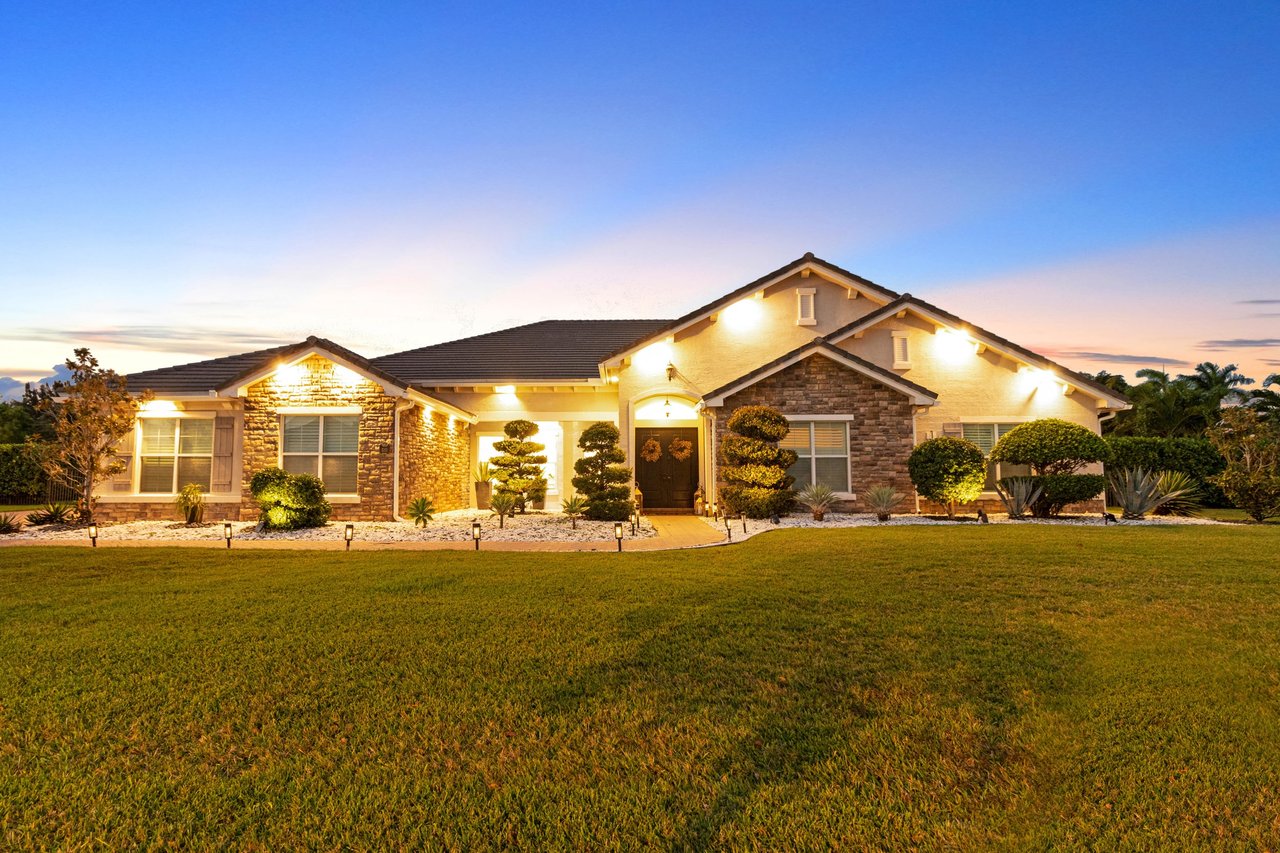
Davie
Preparing for appraisal while making the home's upgrades easy to see in Davie, Florida.

Pompano Beach
Using future-value positioning and targeted marketing to keep buyers engaged as expectations rose in Pompano Beach.
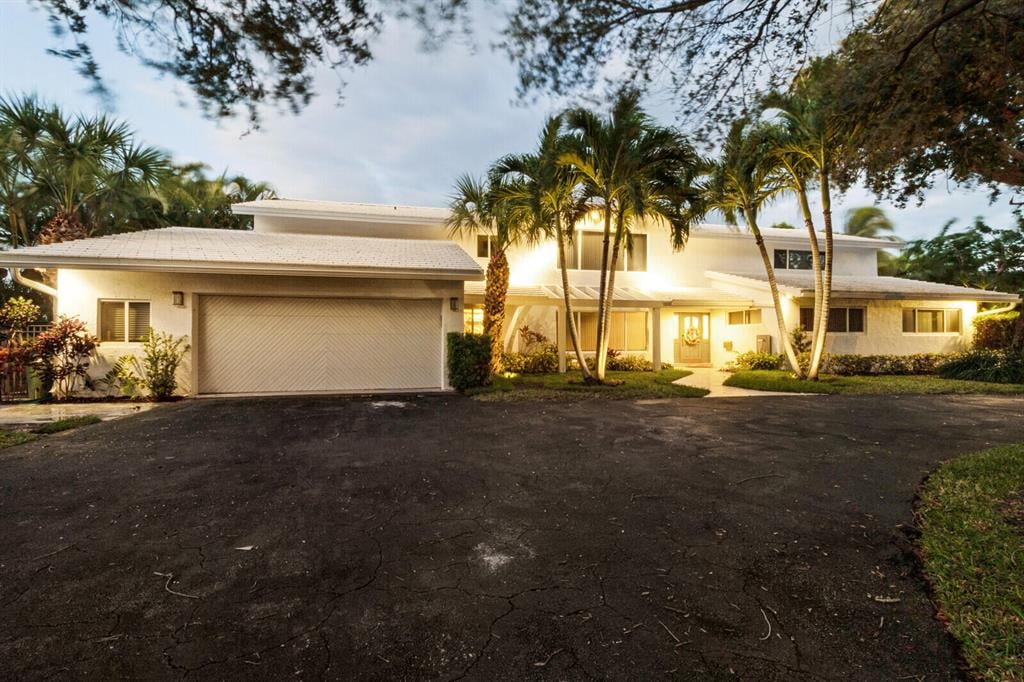
Fort Lauderdale
Giving buyers a credible path beyond the home's biggest objection in Fort Lauderdale.
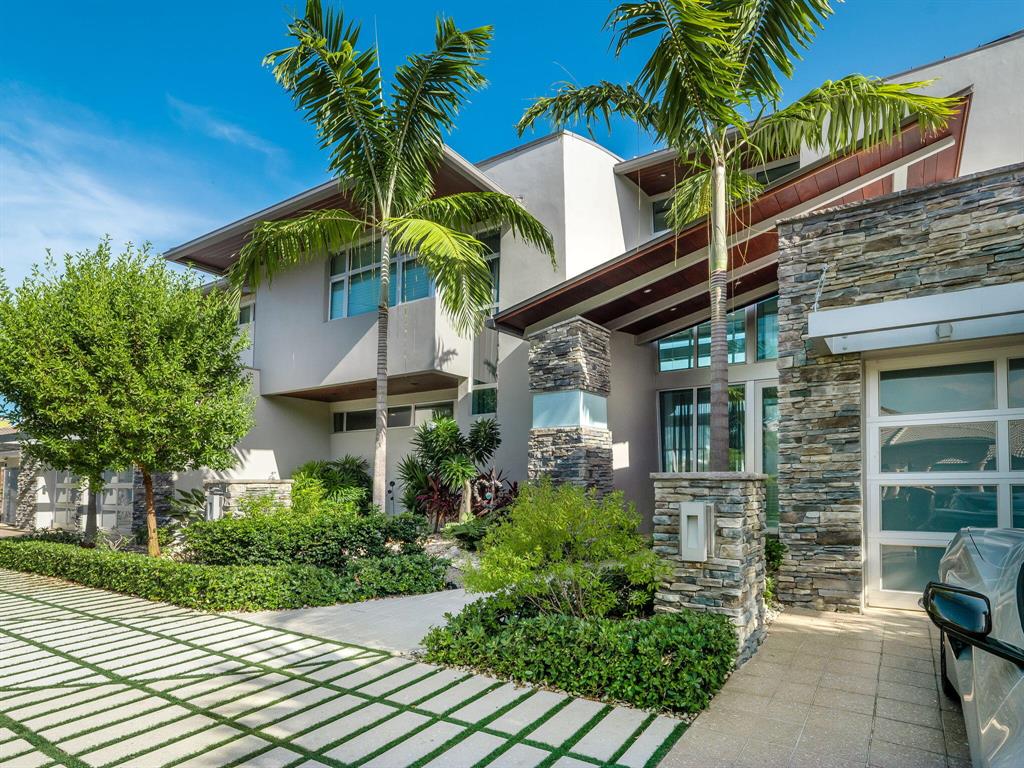
Pompano Beach
Reframing exceptional waterfront value beyond traditional comparables in Pompano Beach, Florida.
Fort Lauderdale
Replacing a failed first impression with a complete marketing relaunch in Fort Lauderdale, Florida.
Every home is unique. Let's build a customized marketing strategy tailored to your goals to maximize your home's value.