From a March 2020 Listing to a $1.07 Million Sale in Harbor Village
Pompano Beach
Pompano Beach
At 920 NE 27th Avenue in Harbor Village, the sellers were pursuing a major life transition when an unprecedented market disruption changed how the home could be sold. As you read, you'll see how we:
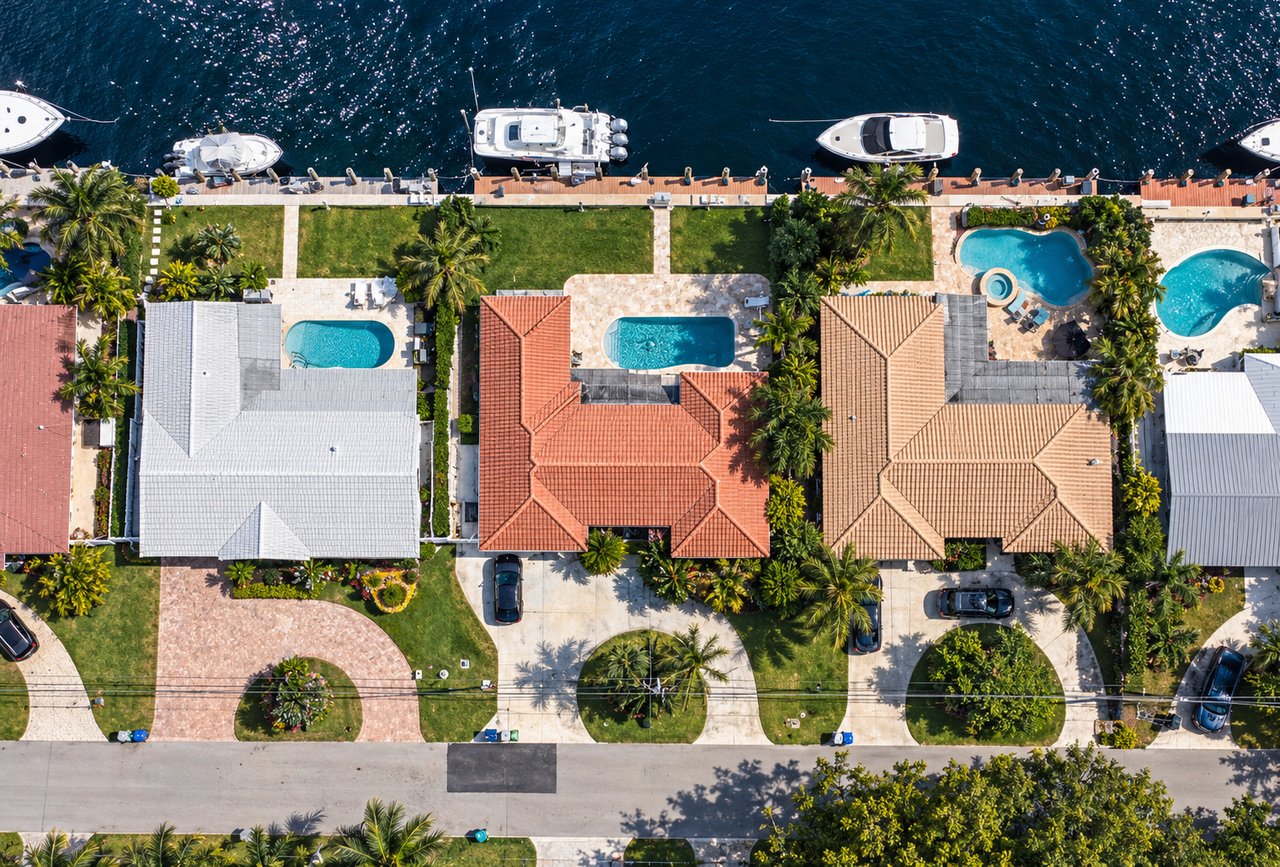
Located in Harbor Village in Pompano Beach, 920 NE 27th Avenue was a three-bedroom, two-bath waterfront home with 1,765 square feet of living space.
Its strongest appeal was outside.
The property offered 80 feet of dockage with ocean access, a swimming pool, a spacious backyard and patio, and a water view that became central to the way buyers experienced the home. Sliding doors across the great room opened toward the outdoor setting, connecting the interior living space with the waterfront beyond.
Click any image to view it in detail.

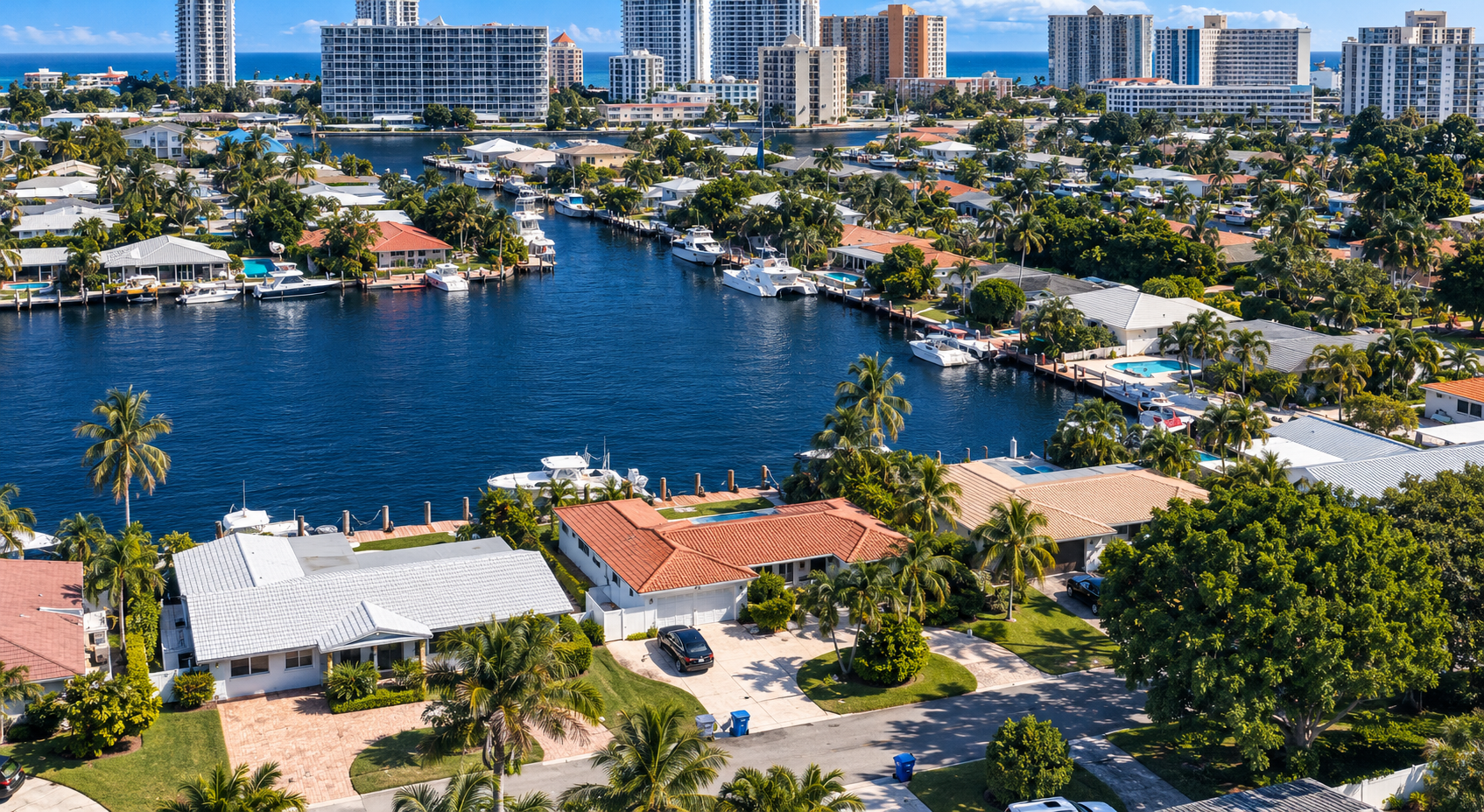
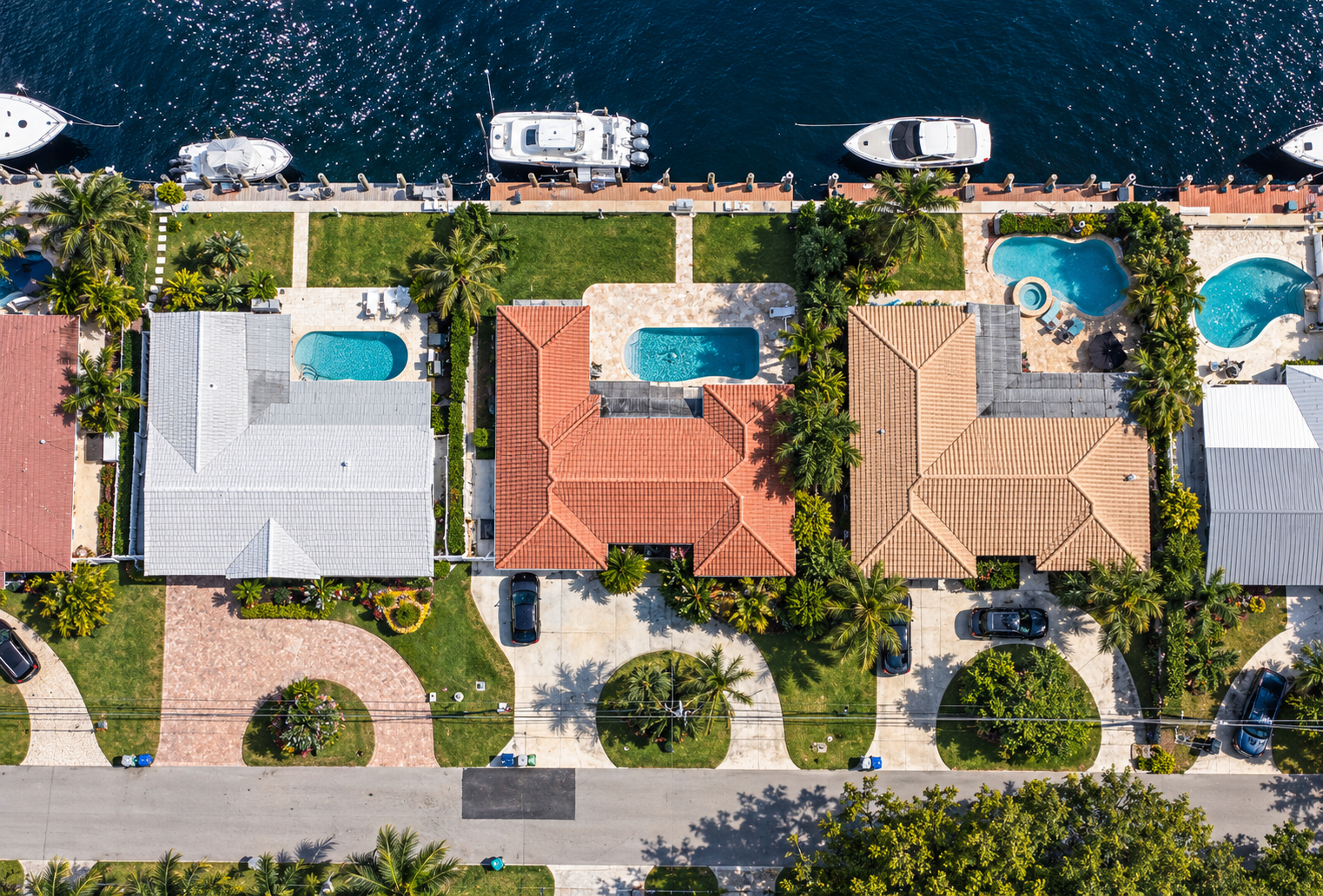
These images are AI-generated illustrations based on publicly available aerial imagery for reference to the property's location and general layout. They are not actual photographs of the property and may not accurately depict its current condition, features, or appearance.
The specifications helped establish the property, but they were not what ultimately defined the marketing strategy.
The view did.
The sellers were not simply moving to another neighborhood.
They were preparing to take their boat and sail the world.
That gave the sale a very specific purpose. They wanted to leave the transaction with more than $1 million while freeing themselves to begin the next chapter they had planned.
Under ordinary circumstances, that would have meant building the strategy around the home's waterfront lifestyle, creating buyer interest, and negotiating toward the sellers' financial goal.
Then the timing changed everything.
The property was listed in March 2020.
Within days, COVID-19 began changing daily life across the country.
For homeowners already committed to a major transition, the question was no longer simply how to sell a waterfront home.
It was how to keep the sale moving forward when the rules surrounding ordinary real estate activity were changing almost by the day.
There was no established playbook for selling a home as COVID-19 began changing how properties could be shown.
Buyers and sellers suddenly had to navigate new expectations around entering and showing homes. Showing procedures that had been routine only weeks earlier required a completely different level of preparation.
Our response was not to stop marketing the home.
It was to remove as much friction as possible from the showing process while adapting to the health and safety expectations developing around us.
Masks became part of the process.
So did gloves.
Hand sanitizer and protective booties were made available for showings.
The objective was practical: make prospective buyers feel as comfortable as possible entering the property without allowing uncertainty to bring buyer access to a standstill.
For the sellers, that distinction mattered.
Their plans had not disappeared because the market environment had changed. The home still needed to be sold, and the strategy still needed to support the financial outcome they had established from the beginning.
Once we considered what would matter most to a buyer, the marketing direction became clear.
We centered the property around the view from the backyard.
The home sat on Lake Capri, a distinctive waterfront setting within Harbor Village. Rather than allowing the listing to compete primarily on bedroom count or interior specifications, we focused on the part of the property that buyers could not recreate elsewhere.
The water was not simply another amenity.
It shaped the entire experience of the home.
From the great room, broad sliding doors opened toward the backyard. Outside, the pool, patio, waterfront, and dockage created a connected outdoor living environment.
That was where the property's value became easiest to understand.
In waterfront real estate, buyers are often choosing much more than a house. They are choosing what they will see when they step outside in the morning, where they will spend an afternoon, and how the water becomes part of everyday life.
At 920 NE 27th Avenue, that lifestyle began with the view.
The marketing could only work if interested buyers could still experience the home.
During the opening months of the pandemic, that became one of the most complicated parts of the transaction.
We continued the business practices necessary to sell the home while incorporating the precautions buyers increasingly expected.
That balance was important.
The goal was to keep the home accessible to interested buyers without letting the changing protocols slow down the sale. At the same time, ignoring buyers' concerns could have made people reluctant to visit altogether.
The showing process therefore became part of the marketing strategy itself.
Masks, gloves, hand sanitizer, and booties were not promotional features.
They helped preserve access.
Prospective buyers could enter the home knowing practical steps had been taken to make the showing more comfortable during a period when even ordinary face-to-face activity felt uncertain.
The sellers later expressed particular appreciation for those precautions.
For them, adapting to the circumstances did not mean accepting that the sale had to stop.
It meant finding a responsible way to continue.
Once buyers entered the property, one response stood out consistently.
They noticed the view.
They also responded to the outdoor living space and swimming pool, but the waterfront setting remained the feature that stood out most clearly.
That response reinforced our decision to make the backyard and Lake Capri the center of the property's positioning.
A successful marketing campaign does not need every feature of a home to carry equal weight.
Some properties are defined by architecture.
Others are defined by interior finishes, acreage, boating access, or location.
At 920 NE 27th Avenue, the most memorable part of the property was what buyers saw beyond the backyard.
By keeping the presentation focused on that advantage, the home had a clear reason to stand apart even as broader market conditions became unusually difficult to predict.
The property ultimately received one offer.
In some transactions, success comes from creating a bidding environment among several buyers.
This sale required something different.
It required connecting the property with one buyer prepared to move forward at a level that allowed the sellers to achieve the financial goal they had established from the beginning.
After 36 days on the market, the home sold for $1,070,000.
The number mattered because the sellers had entered the process wanting to walk away with more than $1 million.
They had not put the property on the market simply to test demand.
The sale was what allowed them to move forward with the life they had planned beyond the home.
Once a buyer was found, the unusual circumstances surrounding the transaction did not disappear.
The challenge was to remain flexible as the rules around showing properties continued to change without allowing those changes to impact productivity.
During the beginning of COVID-19, even routine coordination required more flexibility.
Processes were changing.
Expectations were changing.
The practical challenge was to keep responding to those changes without allowing each new development to become a reason the transaction could not continue.
That required staying focused on what could be controlled.
Our role was to keep the business moving, adapt to the changing requirements, and make sure the new protocols did not slow down the marketing or showing process.
The lesson from that period was not that challenges can always be predicted.
It was that the strategy needs enough flexibility to survive when they cannot be.
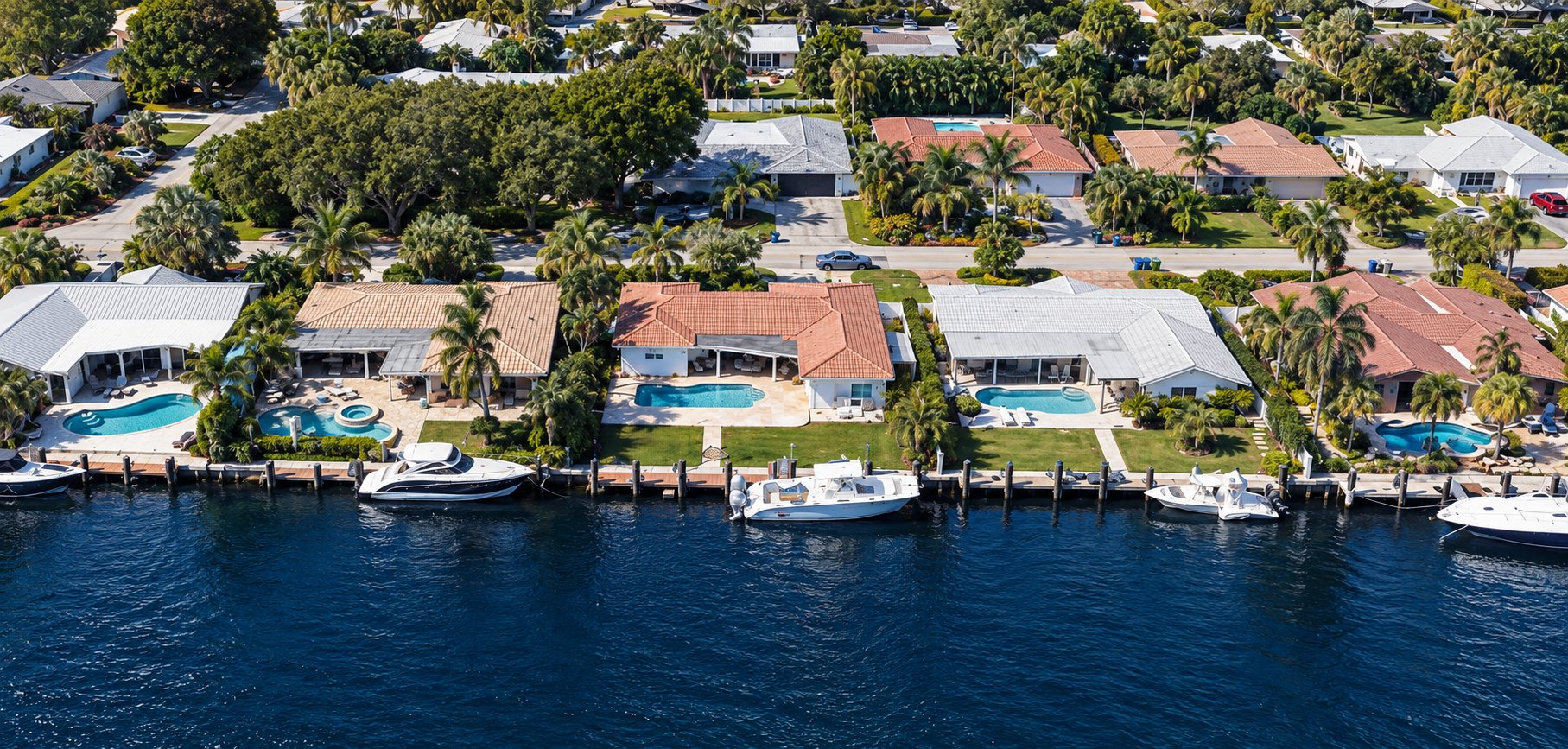
These images are AI-generated illustrations based on publicly available aerial imagery for reference to the property's location and general layout. They are not actual photographs of the property and may not accurately depict its current condition, features, or appearance.
The home sold for $1,070,000 after 36 days on the market.
For the sellers, the closing represented something much larger than the sale of a Harbor Village waterfront property.
Their original goal was to leave the transaction with more than $1 million and move forward with plans to take their boat and sail the world.
They reached the financial benchmark that had shaped the sale from the beginning.
They also completed the transaction during the early months of COVID-19, when the protocols surrounding property showings were changing rapidly.
The outcome did not come from pretending those circumstances were irrelevant.
It came from adjusting to them without losing sight of why the homeowners were selling in the first place.
Most homeowners will never list their property days before a global pandemic changes daily life.
But nearly every seller will encounter something they did not anticipate.
Market conditions can change, buyer expectations can shift, and the rules surrounding a transaction can evolve. The specific obstacle will vary, but the principle is similar: a successful strategy has to adapt without losing sight of the seller's original goal.
For the homeowners at 920 NE 27th Avenue, COVID-19 required the process to change almost immediately.
It did not change why they were selling.
Keeping that distinction clear helped shape every decision that followed.
A strong sale does not depend on every market condition being favorable.
It depends on understanding which parts of the transaction can be controlled when circumstances are not.
For this Harbor Village home, the most valuable marketing decision was identifying the property's defining advantage and continuing to emphasize it even as an extraordinary external event changed how the home could be shown. Buyers consistently responded to the same elements we had chosen to emphasize: the waterfront view, outdoor living space, pool, and Lake Capri setting.
At the same time, presentation alone would not have been enough. Buyers still needed a practical way to experience the home. Adjusting the showing process helped maintain that access at a moment when ordinary real estate routines no longer felt ordinary.
For homeowners selling a waterfront home in Pompano Beach or elsewhere in South Florida, there is a broader lesson in that combination.
Market conditions will change. Buyer concerns will change. Sometimes the transaction itself will require an approach no one expected when the home was first listed.
What should remain clear is the seller's objective and the property's strongest reason for a buyer to act.
At 920 NE 27th Avenue, the sellers began with a specific financial goal and a very personal reason for moving. The strategy adapted around an unprecedented disruption, kept attention on the waterfront lifestyle buyers valued most, and carried the transaction through to a $1.07 million closing.
There will always be challenges in a real estate transaction. What matters is whether the team managing the sale looks for reasons the process cannot continue or finds practical ways to keep it moving.
The result came from continuing to solve the problem in front of us without losing sight of the homeowners' destination.
The sellers still needed the home sold, even as COVID-19 changed how buyers felt about entering properties. We adapted the showing process with practical safety measures so interested buyers could continue experiencing the home in person. The goal was to respond to the new conditions without allowing uncertainty to stop the transaction from moving forward.
The strategy should adapt without losing sight of the seller's original goals. That may mean changing showing procedures, marketing, pricing, communication, or timing depending on what the market requires. The key is to separate temporary conditions from the property's core strengths and continue making decisions that protect the seller's broader objective.
Not every feature carries equal weight. When buyers consistently respond to one element, such as a waterfront view, outdoor living space, or unique location, that feature should become central to the property's presentation. Focusing the marketing around the strongest emotional and practical appeal helps buyers understand what makes the home worth considering.
Uncertainty does not always require abandoning the original plan. Homeowners should remain flexible about how the sale is executed while staying clear about the financial and personal goals the transaction needs to achieve. The most effective strategy adapts to changing conditions without losing focus on the property's strongest advantages or the seller's priorities.
Considering selling a luxury or waterfront property? Request a home valuation to better understand how your property's features, location, and current market conditions may influence its value.
Want to see what sellers say about working with our team? Read our seller reviews to learn about their experiences.
Exploring South Florida real estate? Explore our South Florida neighborhoods to learn more about the areas we serve.
Photography by AccuTour
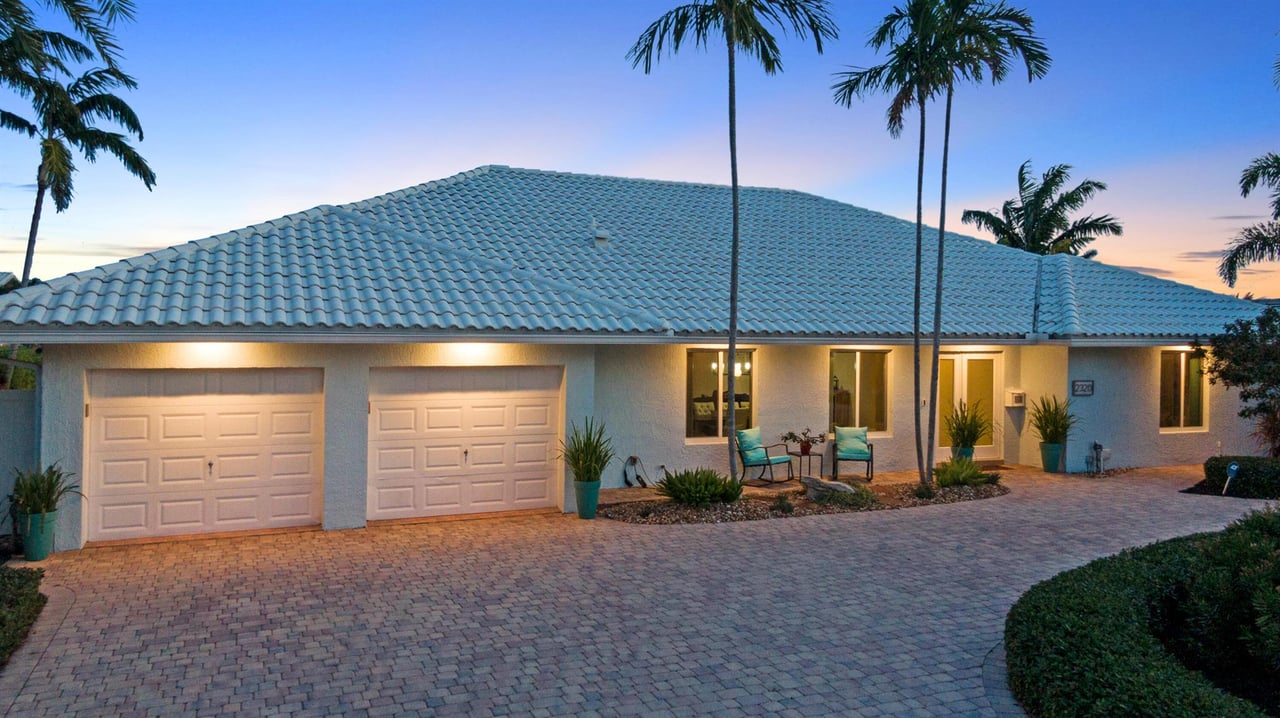
Pompano Beach
Reaching boating enthusiasts who valued existing dockage and no-fixed-bridge ocean access in Pompano Beach.

Coral Springs
Using the home’s scale and amenities to establish value beyond local precedent in Coral Springs, Florida.
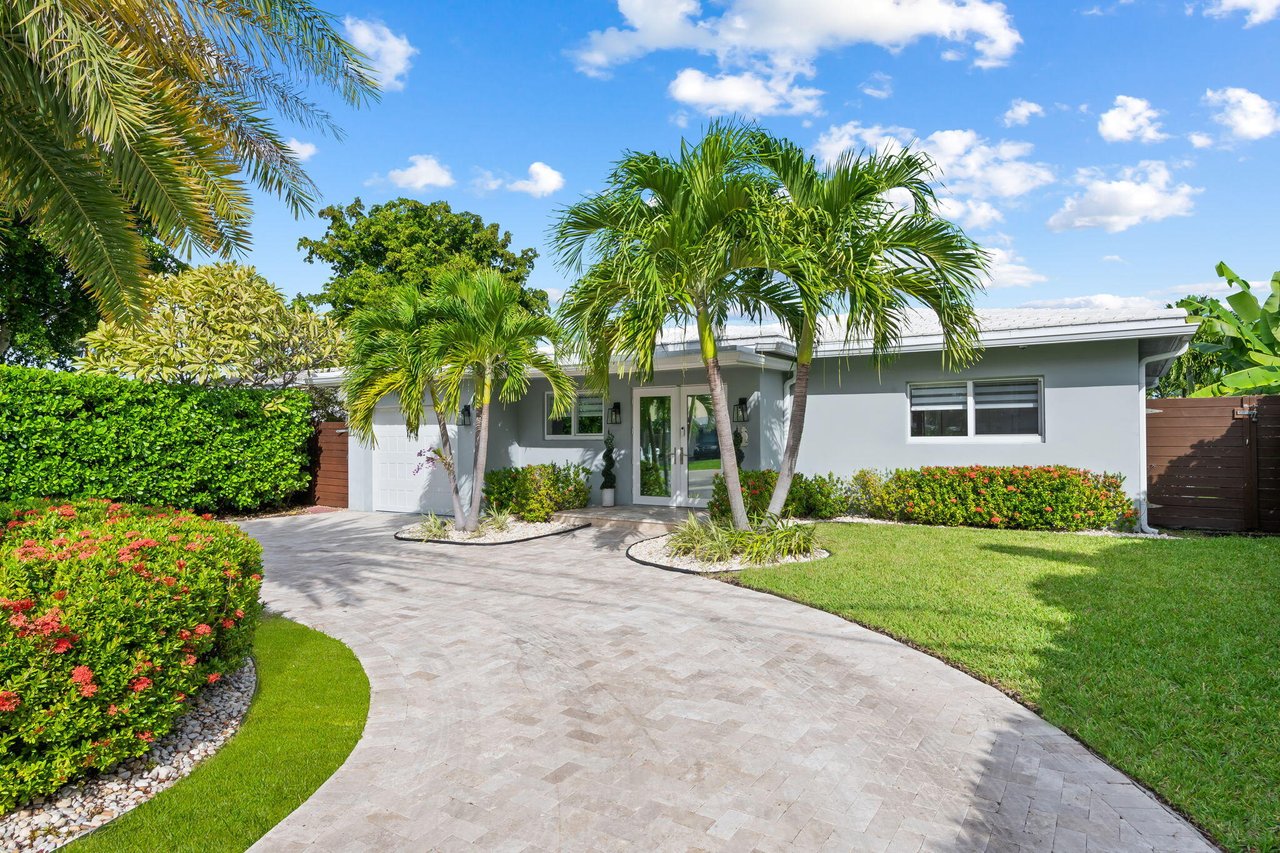
Pompano Beach
Giving a distinctive renovation time to find the buyer who valued it in Pompano Beach.

Pompano Beach
Using established buyer relationships to create certainty without a public listing in, Pompano Beach, Florida.

Pompano Beach
Using future-value positioning and targeted marketing to keep buyers engaged as expectations rose in Pompano Beach.
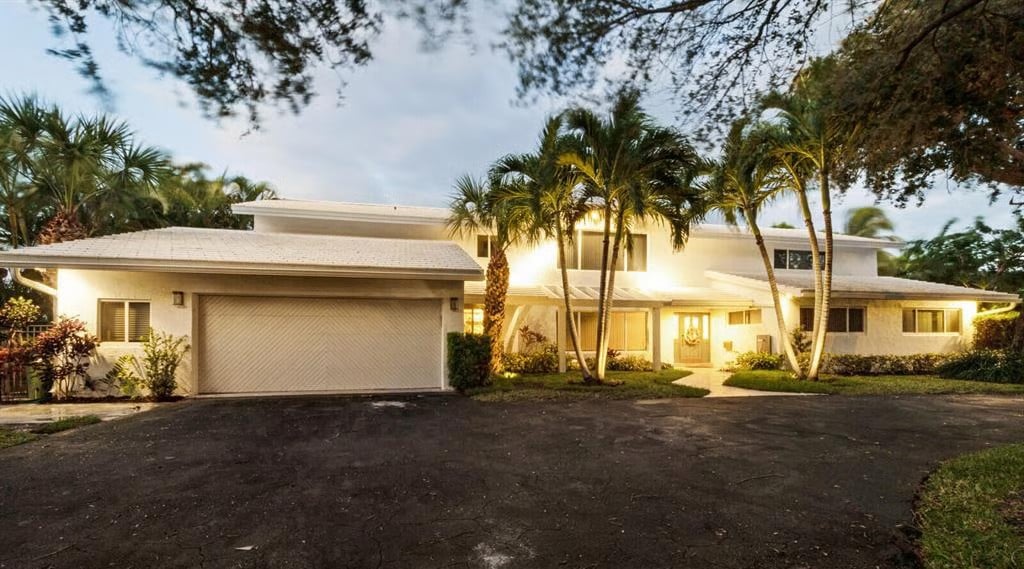
Fort Lauderdale
Giving buyers a credible path beyond the home's biggest objection in Fort Lauderdale.
Every home is unique. Let's build a customized marketing strategy tailored to your goals to maximize your home's value.