Florida Amendment 3 Passed: Do Broward Homebuyers Need to Act Before December 31? 6 Things to Know Before You Buy
Market Insights
Market Insights
Florida voters approved Amendment 3 on November 3, 2026. If you plan to buy a primary residence in Fort Lauderdale, Pompano Beach or elsewhere in Broward County, it raises two questions: how much could you save on property taxes, and when will you qualify?
Starting in 2027, qualifying homeowners get a much larger homestead exemption on non-school property taxes.
But a December 31, 2026 residency cutoff puts existing Florida residents and newcomers on different timelines.
That difference can affect your long-term ownership costs. It isn't a reason to rush into a purchase.
So, do you need to buy a home before December 31?
No. The cutoff is about permanent residency, not your purchase date. If you're a permanent Florida resident by December 31, 2026, you can buy later and still get the expanded benefit. If you move to Florida after the cutoff, your savings are delayed.
What Changes | Permanent Florida Resident by Dec. 31, 2026 | Permanent Florida Resident After Dec. 31, 2026 |
|---|---|---|
Non-school exemption | Expanded exemption: up to $150,000 in 2027 and up to $250,000 in 2028, then adjusted for inflation | Up to $50,000, adjusted for inflation beginning in 2028 |
School exemption | Up to $25,000 | Up to $25,000 |
When the larger exemption starts | When you establish an eligible homestead, even if you buy your home later | Your fifth year of homestead exemption |
How the wait is counted | No waiting period | Years of homestead exemption, not years of living in Florida |
The important question isn't when you close. It's when you became a permanent Florida resident.
A bigger exemption is only part of the picture. These six points decide when you qualify and what you'll actually pay.
Amendment 3 passed with about 62% of the statewide vote, above the 60% needed to amend Florida's constitution. It takes effect January 1, 2027, and raises the homestead exemption on non-school property taxes in stages. According to the Florida Department of Revenue's November 5, 2026 bulletin, the expanded exemption first applies to the 2027 tax roll.
Tax Year | Non-School Exemption | School Exemption |
|---|---|---|
2026 | Up to $51,411 | Up to $25,000 |
2027 | Up to $150,000 | Up to $25,000 |
2028 | Up to $250,000 | Up to $25,000 |
2029 onward | Expanded amount adjusted for inflation | Up to $25,000 |
In 2026, the first $25,000 of assessed value is exempt from both school and non-school taxes, and an extra inflation-adjusted exemption of up to $26,411 applies only to non-school taxes. From 2027, the larger exemption replaces that non-school structure for qualifying homeowners.
Amendment 3 also lowers the annual assessment cap on non-homestead property, including second homes and rentals, from 10% to 5% for non-school taxes. That limits how fast the assessment can grow, not how much the tax bill can rise.
What buyers should remember: The two exemption columns apply to different taxes, so don't add them together. School district taxes, special assessments and non-ad valorem charges still apply.
The larger exemption applies to qualifying primary residences, not every home bought in Florida. The key question is whether you were a permanent Florida resident as of December 31, 2026.
What happens if you move to Florida in 2027? Take someone who becomes a permanent Florida resident in 2027 and qualifies for homestead that same tax year.
Homestead Year | Tax Year | Non-School Exemption |
|---|---|---|
First | 2027 | Up to $50,000* |
Second | 2028 | Up to $50,000* |
Third | 2029 | Up to $50,000* |
Fourth | 2030 | Up to $50,000* |
Fifth | 2031 | Expanded exemption begins |
*The $50,000 non-school exemption is adjusted for inflation beginning in 2028. This example assumes the homeowner keeps the homestead exemption every year and no local exception applies.
If the same person rents first and doesn't establish a homestead until 2029, the count starts in 2029.
Can Broward shorten the wait? The official amendment text lets a county or city, starting January 1, 2030, shorten the waiting period by a two-thirds vote of its governing body when a critical local need warrants it. This isn't automatic, and no Broward government has adopted it.
Could the newcomer rule change? The amendment applies the newcomer rule only to the extent the U.S. Constitution allows, and a court challenge is possible.
What buyers should remember: Plan around the rule as written. Don't count on a shorter wait unless a Broward government actually adopts one.
You don't have to buy a home before December 31, 2026. You do have to actually be a permanent Florida resident by that date.
Steps and records that help show permanent Florida residency include:
These are indicators of residency, not a guaranteed checklist. No single document settles it. Your actual circumstances matter, especially if you keep homes, jobs or family in more than one state.
Cancel residency-based tax breaks in another state. According to the Broward County Property Appraiser, you can't receive a Broward homestead exemption while you or your spouse holds a homestead or other residency-based exemption or tax credit on another property, in Broward or any other state. New York's STAR exemption is one example. You have to cancel the other benefit first. Keeping it can also weaken your claim that Florida is your permanent home.
Homestead eligibility has its own timeline. To get a homestead exemption for a tax year, you must own and permanently live in the home on January 1 of that year. The application deadline is March 1. If you buy and move in during 2027, your first homestead tax year is 2028.
What buyers should remember: Residency and homestead eligibility are two separate tests. If you have ties to more than one state, confirm both with the Broward County Property Appraiser and a qualified tax or legal professional before acting on the deadline.
If you already own a Florida homestead and plan to move within Broward or elsewhere in Florida, you were a resident by the cutoff, so you qualify for the larger exemption on your next home. Amendment 3 also doesn't change Save Our Homes portability.
You can transfer some or all of your accumulated Save Our Homes benefit to your next Florida homestead, up to $500,000, if you meet the filing deadlines. That lowers your new home's assessed value, though it won't make your next tax bill match your current one. The Broward County Property Appraiser's portability guidance explains how the transfer works.
What buyers should remember: If you're selling a Broward home to buy another, portability can matter as much as the expanded exemption. Our companion guide, Florida Amendment 3: Should Broward Homeowners Stay, Sell, or Save?, walks through that decision.
In NBC 6 South Florida's reporting, Broward County Property Appraiser Marty Kiar estimated average savings of about $1,300 in 2027 and about $2,300 in 2028. Your savings depend on your assessed value, local tax rates and eligibility.
When a home sells, it's reassessed at market value for the next tax year. A long-time owner may have years of Save Our Homes protection, and that doesn't transfer to an unrelated buyer.
A worked property tax example: take a hypothetical Broward primary residence with an assessed value of $350,000. For illustration, assume a non-school tax rate of 13 mills, or $13 per $1,000 of taxable value.
Scenario | Non-School Exemption | Taxable Value | Estimated Non-School Tax |
|---|---|---|---|
2026 structure | $51,411 | $298,589 | $3,882 |
Earlier resident, 2027 | $150,000 | $200,000 | $2,600 |
Earlier resident, 2028 | $250,000 | $100,000 | $1,300 |
New resident, first four years | $50,000 | $300,000 | $3,900 |
Rounded amounts. This example holds assessed value and tax rate constant to isolate the exemption's effect. Actual assessments, rates and inflation adjustments change from year to year. School taxes and other charges are excluded.
In this example, an earlier resident with the full 2028 exemption pays about $2,600 less a year in non-school taxes than a newcomer with the $50,000 exemption. That's a modeled difference, not a guaranteed saving, and the newcomer's exemption also rises with inflation.
Property taxes can change for other reasons. Amendment 3 lowers taxable value for eligible homeowners, but cities and counties can raise tax rates or fees in response to tighter budgets. A lower taxable value won't always mean an equally lower bill, so compare both the exemption and the local tax rate.
The Broward County Property Appraiser's Homebuyer's Tax Estimator is a good starting point. As of November 17, 2026, the estimator states it does not yet reflect Amendment 3's 2027 changes.
What buyers should remember: Estimate taxes from the expected reassessment, not the seller's current bill. Treat early estimates as planning tools and confirm them before setting your purchase budget.
The December 31 cutoff may lead some people already planning a move to Florida to come sooner. That doesn't mean Amendment 3 will create a large new group of buyers. HousingWire's November 5 analysis notes that real estate professionals expect some relocations to speed up, with effects that vary by neighborhood and property type.
Whether more interest leads to higher prices depends on inventory, financing, insurance costs and demand. If competition pushes prices up in a neighborhood, the extra borrowing and higher assessment can eat into the tax advantage.
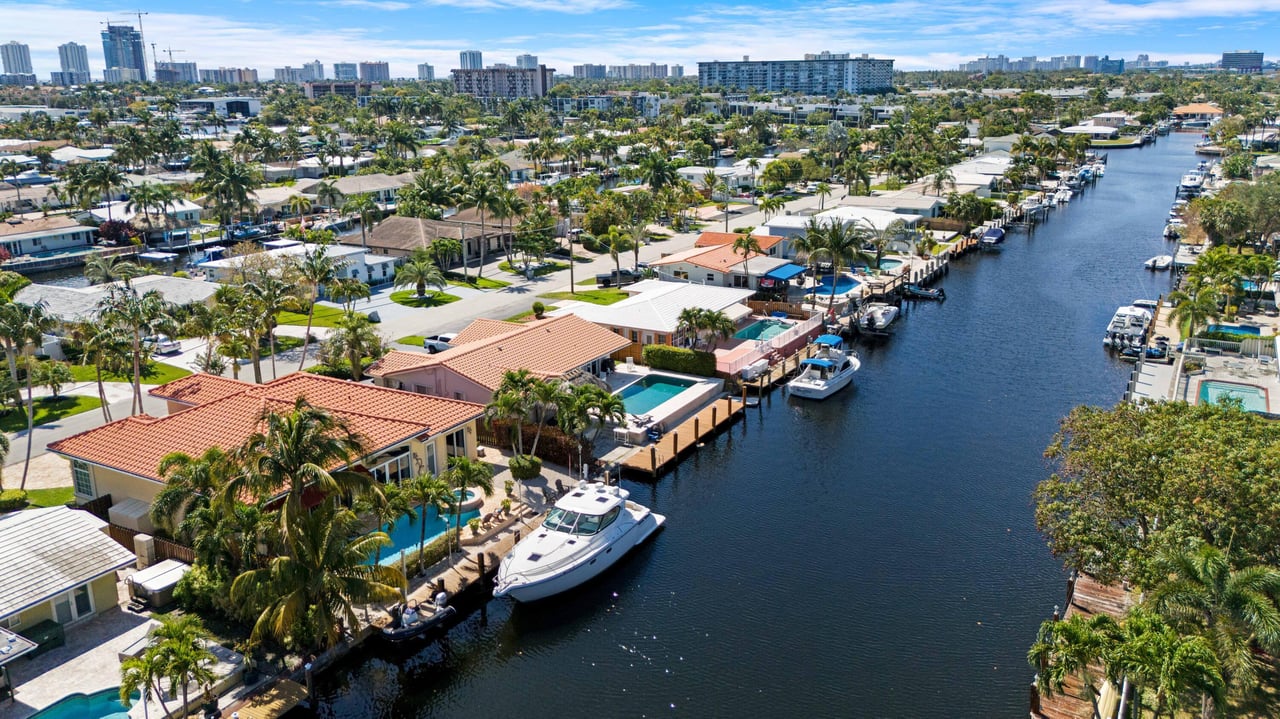
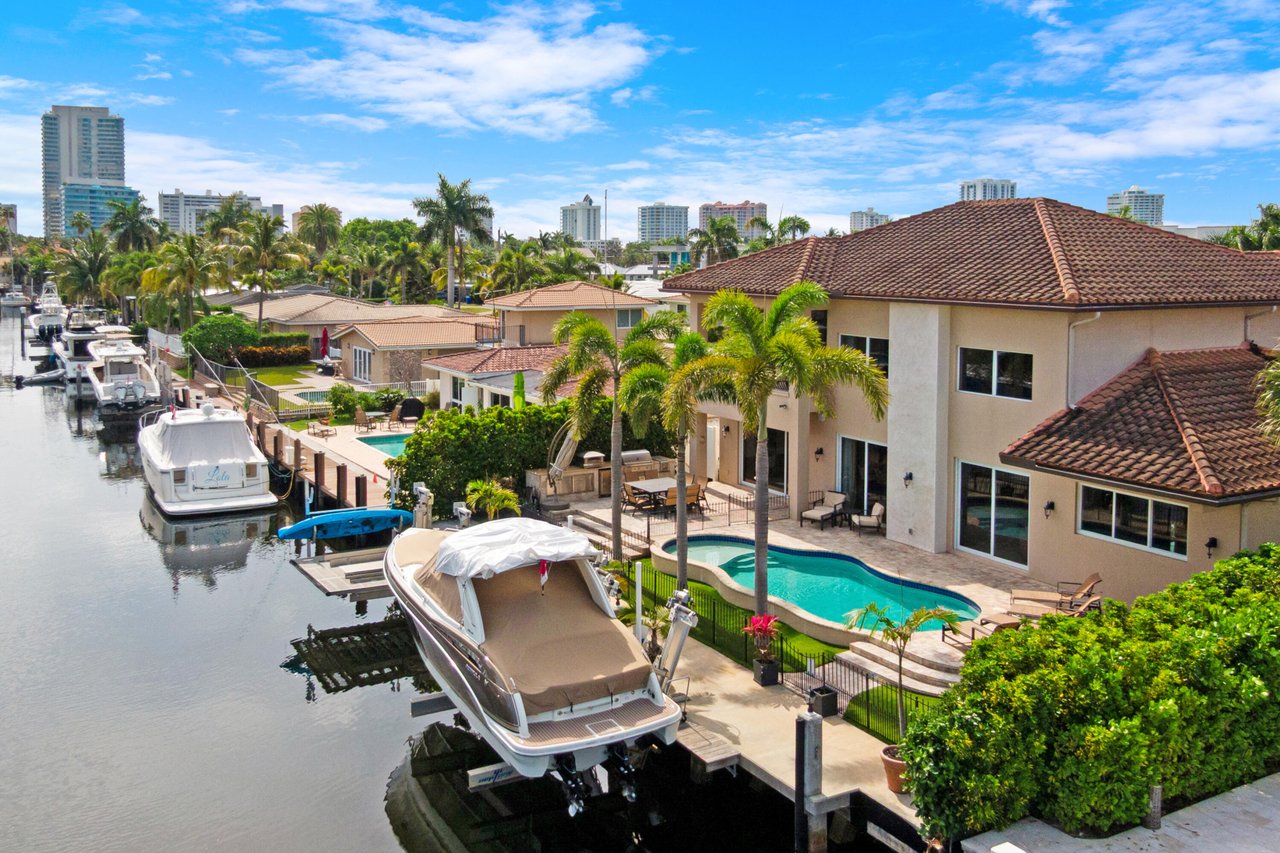
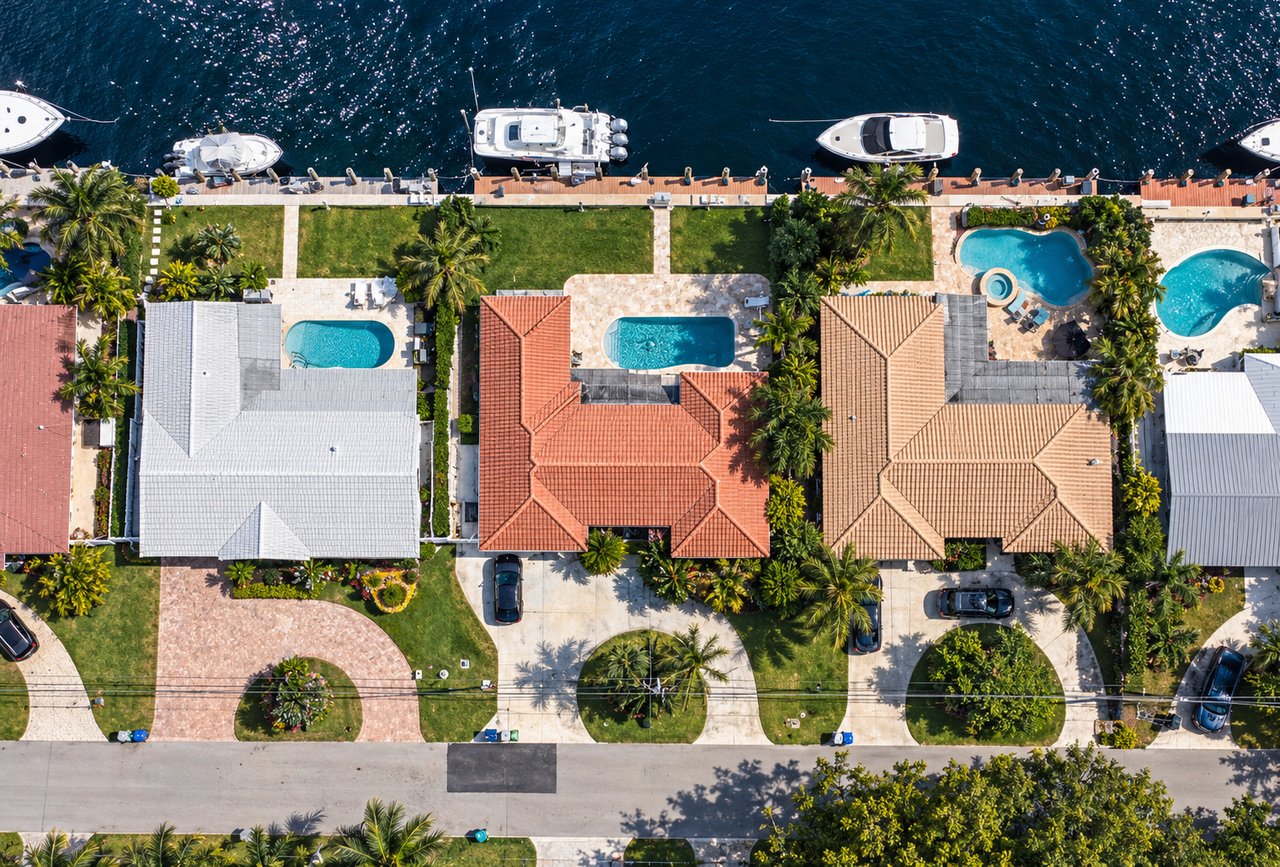
Fort Lauderdale waterfront and luxury homes: the exemption is a smaller share of the total cost of ownership. Insurance, flood coverage, seawall upkeep, dockage and maintenance can matter more. Judge a waterfront home by its location, condition and comparable sales, not by the tax change. In established neighborhoods such as Imperial Point, look at the local market on its own terms rather than statewide tax expectations.
Pompano Beach single-family homes and condominiums: for single-family homes, insurance, roof condition, flood exposure and maintenance often outweigh the exemption. Condo buyers should look closely at association fees, reserve funding, building condition and possible special assessments. A lower tax bill won't cover a large special assessment.
What buyers should remember: It's too early to say Amendment 3 has raised prices in any Broward neighborhood. Compare a home's true cost, its condition and what similar homes are selling for.
The tax benefit can make a good purchase better. It shouldn't be the reason to buy a home that doesn't fit your needs or budget.
Your residency history decides which exemption you get. Owning and living in the home on January 1 decides which tax year it starts.
Estimate taxes from the expected reassessment, not the seller's current bill.
Compare interest rates, down payment, loan terms and monthly payment.
Get homeowners and flood insurance quotes early. For condos, review association fees, reserves and possible assessments.
Make sure recent sales and current market conditions support the price.
A larger exemption is only valuable as part of the home's full financial picture.
Amendment 3 can lower your long-term ownership costs, but it isn't a reason to rush into a purchase.
If you were a permanent Florida resident by December 31, 2026, you can buy on your own timeline and still get the expanded exemption once the home qualifies for homestead. If you move here after the cutoff, plan for four homestead years at the smaller exemption.
Either way, start with your full ownership budget: price, likely assessed value, financing, insurance, maintenance and tax benefits.
Amendment 3 raises important questions about residency, homestead timing, property tax savings and second homes. These answers address the most common concerns Broward homebuyers should understand before making an offer.
No. The cutoff is about permanent residency, not your purchase date. If you were a permanent Florida resident by December 31, 2026, you can buy later and get the expanded exemption once the home qualifies for homestead. Confirm your residency status separately from the home's ownership and occupancy requirements.
Yes, if you were a permanent Florida resident on December 31, 2026 and then establish an eligible homestead. If you close in 2027, your first homestead year is 2028. The purchase itself doesn't establish your residency history, so confirm both.
Up to $50,000 off non-school taxes, adjusted for inflation from 2028, plus the $25,000 school exemption, for your first four homestead years. The larger exemption starts in year five. Cancel any residency-based tax break in your former state before you apply.
Amendment 3 takes effect January 1, 2027, and the expanded exemption first applies to the 2027 tax roll. Qualifying homeowners get up to $150,000 off non-school taxes in 2027 and up to $250,000 in 2028, with the amount adjusted for inflation from 2029 onward.
Broward County Property Appraiser Marty Kiar estimated average savings of about $1,300 in 2027 and about $2,300 in 2028, according to NBC 6 South Florida. Your savings depend on your assessed value, local tax rates and eligibility.
Usually not. When a home sells, it's reassessed at market value for the next tax year. A long-time owner's Save Our Homes protection doesn't transfer to an unrelated buyer, so estimate taxes from the expected reassessment.
Starting January 1, 2030, a county or city can shorten the waiting period by a two-thirds vote of its governing body when a critical local need warrants it. It isn't automatic, and no Broward government has adopted it.
No. You can still transfer some or all of your accumulated Save Our Homes benefit to your next Florida homestead, up to $500,000, if you meet the filing deadlines.
The expanded homestead exemption applies only to qualifying primary residences. Non-homestead properties get a lower annual assessment cap of 5% for non-school taxes, which limits assessment growth but not necessarily tax-bill increases. Check the property's classification before counting on any tax benefit.
Start with your full ownership budget, not the exemption amount. Compare the price, likely assessed value, financing, insurance, maintenance and tax benefits. A larger exemption can improve affordability, but it can't make an overpriced or unsuitable home a good purchase.
Final Takeaway: Amendment 3 is a real property tax break for Broward homebuyers, but your permanent residency history, not your closing date, decides when you get the larger exemption. Confirm your residency and homestead timeline, estimate taxes from the expected reassessment, and weigh every home on its full cost of ownership. A larger exemption can make a good purchase better. It can't make an overpriced or unsuitable home the right one.

Broker & Owner | Ryan Critch Real Estate
Ryan Critch is the Broker and Owner of Ryan Critch Real Estate, a family-owned brokerage specializing in luxury and waterfront homes in Fort Lauderdale and Pompano Beach, Florida. With more than 25 years of experience in sales, marketing, lead generation and negotiation, Ryan brings a strategic approach to real estate. His background drives RCRE's seller program, combining strategic pricing, professional presentation, targeted advertising and a dedicated team of experts at every touchpoint, from pre-listing preparation to closing.
Considering a luxury or waterfront property?Explore our available properties to see homes currently on the market in South Florida.
Want to learn more about the areas we serve?Explore our South Florida neighborhoods to discover where our team works.
Ready to start your home search?Get pre-approved to understand your financing options before you begin.
Already own a home in Broward? Read Florida Amendment 3: Should Broward Homeowners Stay, Sell, or Save? to see how Amendment 3 changes the math on selling.
Planning to buy in Fort Lauderdale, Pompano Beach or elsewhere in Broward County? Connect with Ryan Critch Real Estate today and weigh your next move with the full cost of ownership in view.
Ryan Critch Real Estate · 6245 N Federal Hwy, Suite 421, Fort Lauderdale, FL 33308 · (954) 280-7298
This article provides general information, not legal or tax advice. Confirm permanent residency, homestead eligibility and property tax calculations with the appropriate government offices and qualified professionals.
Read more case studies to see how we help homeowners achieve their selling goals.
Market Insights
Market Insights

Pompano Beach
Fort Lauderdale
Pompano Beach
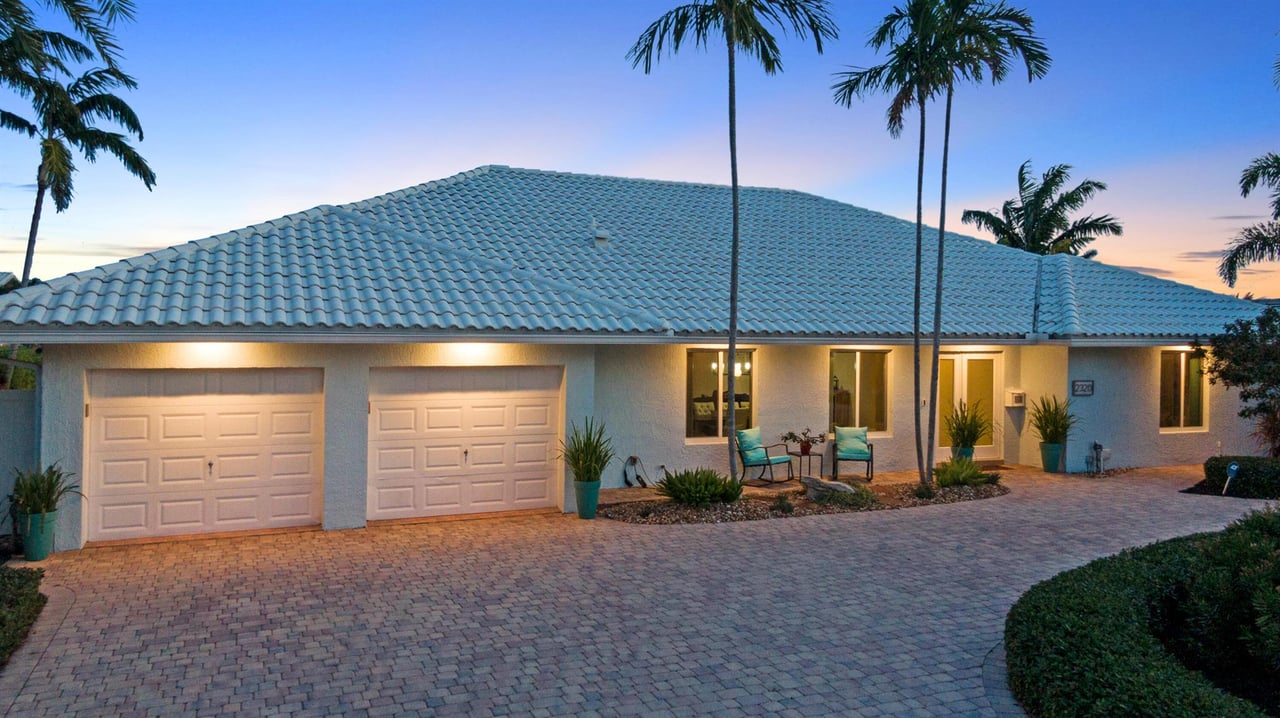
Reaching boating enthusiasts who valued existing dockage and no-fixed-bridge ocean access in Pompano Beach.
Pompano Beach
Every home is unique. Let's build a customized marketing strategy tailored to your goals to maximize your home's value.