Florida Amendment 3: Should Broward Homeowners Stay, Sell, or Save? 6 Things to Know Before You Decide
Market Insights
Market Insights
Florida voters approved Amendment 3 on November 3, 2026. For homeowners in Fort Lauderdale, Pompano Beach and across Broward County, the real question isn't just how much your taxes will drop.
Does the bigger exemption make it smarter to stay in your home, or to sell?
The answer depends on your assessed value, your Save Our Homes benefit, your mortgage and the kind of home you'd buy next.
For some owners, Amendment 3 makes staying more attractive. For others, it takes a real bite out of the tax cost of moving to a similar or more expensive home.
So, should you stay or sell?
It depends on where you're going next. Here's how Amendment 3 changes the picture for each kind of move.
Your Situation | What Amendment 3 Does | What Still Matters Most |
|---|---|---|
Staying in your home | Lowers non-school taxes automatically from 2027, up to the limit of your assessed value | Your actual assessment, not countywide averages |
Upsizing or moving laterally | Shrinks the extra non-school tax that comes with a new home | Your mortgage rate, insurance, and closing and moving costs |
Downsizing | Removes the non-school tax savings a smaller home used to bring | Insurance, maintenance and financing savings still count |
Selling your home | May draw some buyers, but doesn't justify a higher asking price | Comparable sales, condition, location and demand |
The important question isn't how big the exemption is. It's where you're going next.
Buying instead? Read our companion guide, Florida Amendment 3 Passed: What Broward Homebuyers Need to Know Before December 31.
A bigger exemption is only part of the decision. These six points shape how much you save and what moving would really cost.
Starting in 2027, Amendment 3 raises the homestead exemption on primary residences in stages. According to the Florida Department of Revenue's November 5, 2026 bulletin, the expanded exemption first applies to the 2027 tax roll.
Tax Year | Non-School Exemption | School Exemption |
|---|---|---|
2026 | Up to $51,411 | Up to $25,000 |
2027 | Up to $150,000 | Up to $25,000 |
2028 | Up to $250,000 | Up to $25,000 |
2029 onward | Adjusted for inflation | Up to $25,000 |
The $25,000 school exemption doesn't change. The larger exemption lowers your taxable value for non-school taxes only. School taxes, special assessments and fees stay on your bill.
If you already have a homestead exemption and still qualify, the increase is applied automatically. You'll first see it on your August 2027 TRIM notice and November 2027 tax bill.
What homeowners should remember: Ignore anyone asking for your information to "secure" the new exemption. Scammers are already targeting Florida homeowners this way. Check your property record and official notices instead.
In NBC 6 South Florida's reporting, Broward County Property Appraiser Marty Kiar estimated average savings of about $1,300 in 2027 and $2,300 in 2028. Your number depends on your assessed value, eligibility and local tax rates.
Florida's Save Our Homes cap limits a homestead's annual assessment increase to 3% or inflation, whichever is lower. Over years of ownership, that opens a wide gap between market value and assessed value. A home worth $800,000 can easily be assessed at $200,000.
That protection is valuable. It also caps how much of the new exemption you can use, because an exemption can't push taxable value below zero.
How assessed value affects your savings: this hypothetical example uses a constant non-school tax rate of 13 mills, or $13 per $1,000 of taxable value.
Assessed Value | Estimated Tax Under 2026 Structure | Estimated 2028 Tax | Annual Difference |
|---|---|---|---|
$180,000 | $1,672 | $0 | $1,672 |
$300,000 | $3,232 | $650 | $2,582 |
$500,000 | $5,832 | $3,250 | $2,582 |
Rounded figures. The example holds assessed values and tax rates constant to isolate the exemption's effect. School taxes and other charges are excluded.
At an assessed value of $250,000 or more, you use the full 2028 non-school exemption. Below that, your non-school taxable value drops to zero, and your savings are smaller.
What homeowners should remember: The owner with the highest market value doesn't always save the most. Look at your own assessment, not countywide averages.
It's natural to assume a bigger exemption makes staying the obvious move. For some homeowners, it does. But Amendment 3 also cuts the taxes on the home you'd buy next, and that home usually has a higher assessed value than the one you've held for years. So it often gains more.
Take a long-time homeowner whose property is worth $800,000 but assessed at $200,000, a $600,000 Save Our Homes difference. Assume the owner qualifies for portability and the same 13-mill non-school rate applies to both homes.
Next Move | New Home's Assessed Value After Portability | Non-School Tax Change From Moving, 2026 Structure | Non-School Tax Change From Moving, 2028 |
|---|---|---|---|
Upsize to a $900,000 home | $400,000 | About $2,600 more | About $1,950 more |
Lateral move to an $800,000 home | $300,000 | About $1,300 more | About $650 more |
Downsize to a $500,000 home | $125,000 | About $975 less | No difference |
Illustrative comparisons, not projected tax bills. They assume homestead treatment, eligible portability, and constant values and tax rates. School taxes, special assessments, insurance, financing, transaction costs and maintenance are excluded.
Moving up or across costs less in taxes than it used to. In both examples, the extra non-school tax that comes with moving drops by about $650 a year.
Downsizing loses its tax edge. Both homes fall below the $250,000 exemption, so neither owes non-school taxes. A smaller home can still cut your insurance, maintenance and financing costs. It just won't cut your non-school taxes anymore.
School taxes aren't touched by Amendment 3, so moving to a home with a higher assessed value still raises them the same way it does today.
What homeowners should remember: Moving isn't cheaper overall, but one of the biggest reasons people stay put just got smaller.
Amendment 3 doesn't change portability. You can still carry some or all of your Save Our Homes benefit, the gap between your home's market value and its assessed value, to your next Florida homestead. According to the Broward County Property Appraiser's portability guidance, how it works depends on whether your next home costs more or less.
The appraiser's online Portability Estimator is a good starting point, but check whether it has been updated for Amendment 3 before relying on its numbers.
What homeowners should remember: Portability doesn't move your old tax bill to your new home. Before you list, confirm your transferable benefit and estimated taxes on your next home with the property appraiser.
Lower property taxes make owning more appealing to some buyers. That doesn't mean Amendment 3 raises the value of every Broward home.
The full benefit goes to buyers who were permanent Florida residents by December 31, 2026. People who become residents after that start with the smaller exemption for their first four homestead years and get the expanded one in year five. So the out-of-state buyer many sellers picture gets little from Amendment 3 at first. Some may move up their plans to beat the deadline, but most won't see the full benefit right away.
Should you raise your asking price because of Amendment 3? No. Your price should still rest on recent comparable sales, competing listings, condition, location and demand. Lower taxes are a fair point to raise with in-state buyers when you talk about ownership costs. A well-priced home can draw more interest from the extra attention. An overpriced one will still sit.
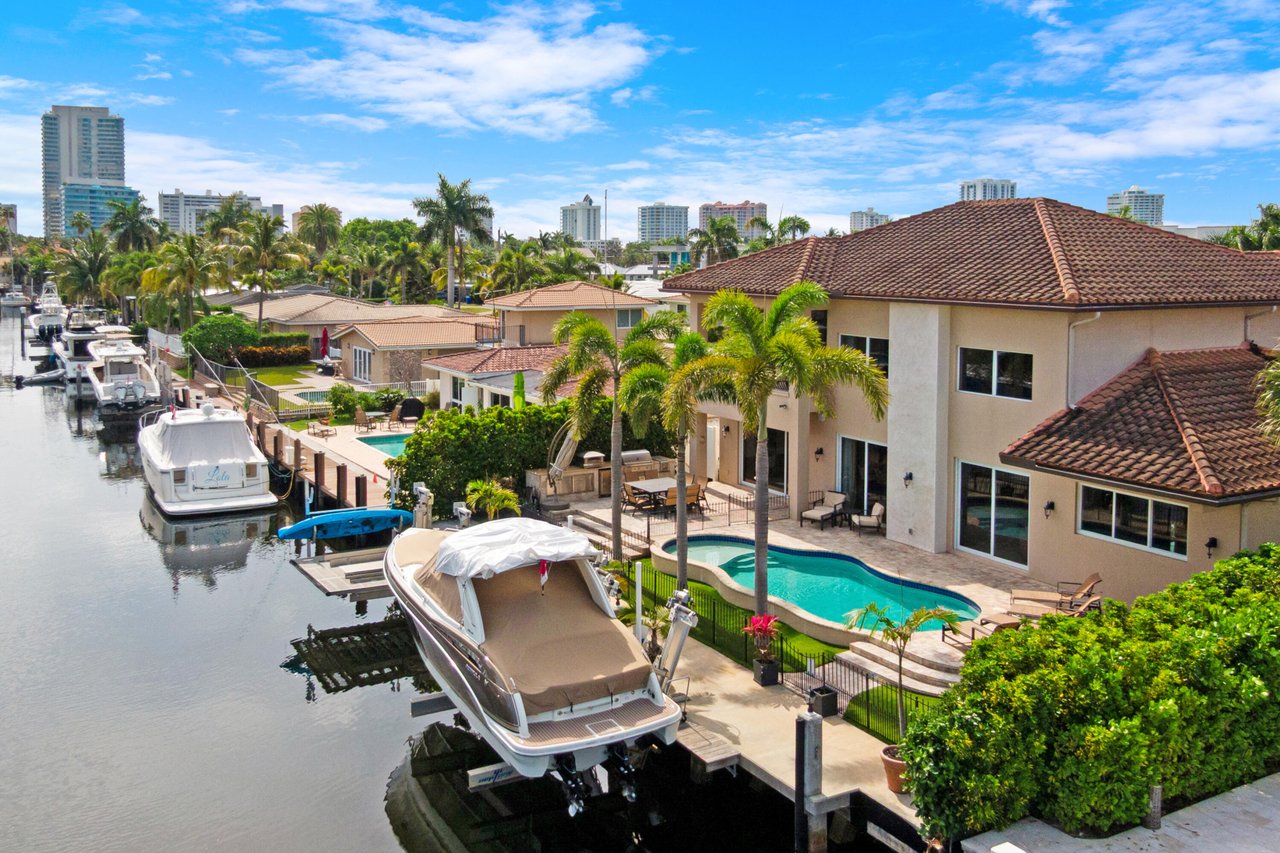
Fort Lauderdale waterfront and luxury homes: the exemption is a small slice of the total cost of ownership. Boating access, seawall condition, construction quality, insurance and upkeep matter far more, and they're what drive your home's market position.
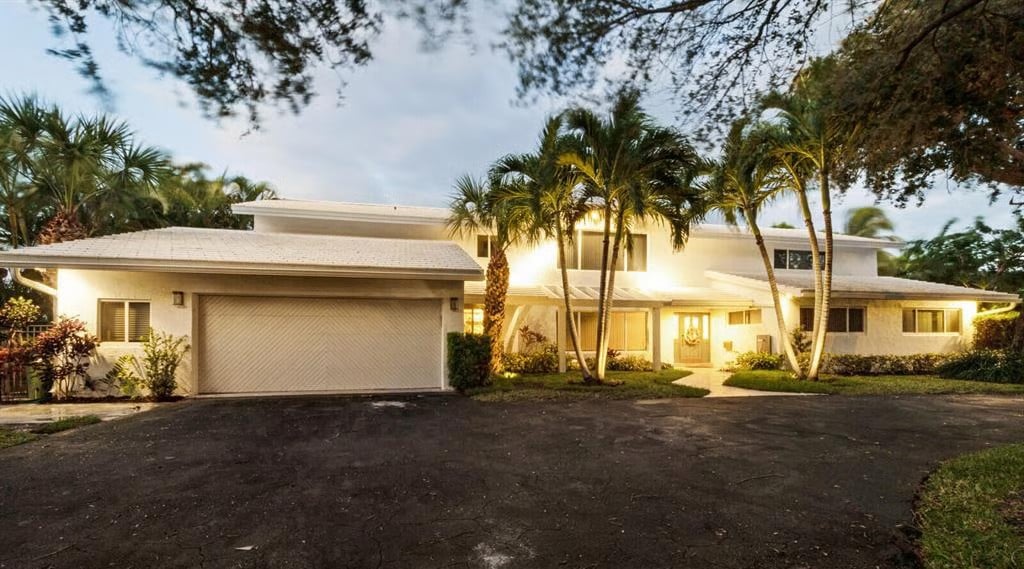
Established neighborhoods such as Imperial Point: in Imperial Point, an established neighborhood in northeast Fort Lauderdale, many long-time owners have built up large Save Our Homes benefits. If you're thinking about another Florida home, portability and the new exemption could change your tax math in a big way. Pull your actual assessment before you assume your non-school taxes will hit zero. Your mortgage, the home's condition, insurance and lifestyle still matter.
Pompano Beach homes and condominiums: for single-family homes, expect buyers to focus on roof condition, flood exposure, insurance and maintenance more than tax savings. Condo buyers will dig into association budgets, reserves, building condition and any special assessments. The exemption helps eligible buyers, but it won't cover a big assessment.
What homeowners should remember: In either city, the strongest pricing strategy still comes down to your home's features, local comparable sales and current market conditions. Watch what's actually happening in your neighborhood rather than assuming the amendment has already lifted values.
Second homes and rentals don't get the expanded homestead exemption. Amendment 3 does lower their annual assessment cap from 10% to 5% for non-school taxes. That slows assessment growth, but it doesn't cap how much the tax bill itself can rise.
The amendment also hits local budgets. The Legislature's Revenue Estimating Conference projects local property tax revenue will fall by about $4.9 billion in the first year and about $11.8 billion a year by 2031-32. Those projections assume local tax rates stay the same, and they may not.
Cities and counties can respond with budget cuts, rate changes or fees. Fire, waste, drainage and other fees show up on your tax bill, and no homestead exemption reduces them.
What homeowners should remember: Keep an eye on your city's budget hearings. It's too early to say whether Amendment 3 will cost any Broward neighborhood services or value.
For many homeowners, the mortgage matters more than the exemption. If you bought or refinanced when rates were low, trading that loan for a higher-rate one can cost far more each year than Amendment 3 saves you.
Insurance can swing the math too. Older homes, waterfront homes and homes in flood zones cost more to insure. A newer or smaller home can cut insurance and maintenance enough to outweigh any change in property taxes.
Start with your sale proceeds, since they decide what you can put toward your next home.
Add up your mortgage, property taxes after Amendment 3, insurance, maintenance and association fees.
Add up the new home's mortgage, taxes after portability, insurance, maintenance and association fees. Count closing and moving costs separately.
If your current loan has a low rate, a higher-rate loan on your next home can cost far more each year than Amendment 3 saves you.
Confirm your transferable benefit and estimated taxes on your next home with the property appraiser before you list.
Sometimes staying wins by a wide margin. Other times, selling frees up equity, cuts maintenance or gets you a home that fits your next chapter. Make the call on the full picture, not the size of the exemption.
Amendment 3 lowers non-school taxes for most Broward homeowners, but it doesn't make the stay-or-sell decision for you.
If you'd move to a similar or more expensive home, it shrinks the extra tax that comes with moving. If you'd downsize, it removes the non-school tax savings a smaller home used to bring.
Either way, your mortgage rate, insurance, maintenance and sale proceeds often matter more than the exemption. Compare the full cost of staying with the full cost of moving.
Amendment 3 raises important questions about savings, portability, moving costs and resale value. These answers address the most common concerns Broward homeowners should understand before deciding whether to stay or sell.
No. If you already have a homestead exemption and still qualify, the increase is applied automatically. You'll first see it on your August 2027 TRIM notice and November 2027 tax bill. Ignore anyone asking for your information to "secure" the new exemption.
Broward County Property Appraiser Marty Kiar estimated average savings of about $1,300 in 2027 and $2,300 in 2028, according to NBC 6 South Florida. Your number depends on your assessed value, eligibility and local tax rates.
You get the expanded exemption, but your savings are capped by your taxable value. If your assessed value is below the exemption, your non-school taxable value drops to zero and you can't use the rest. School taxes and fees still apply. Look at your own assessment, not countywide averages.
Usually not. If you'd move to a similar or more expensive home, it shrinks the extra non-school tax that comes with moving. If you'd downsize, it removes the non-school tax savings a smaller home used to bring. Either way, your mortgage rate and insurance often matter more.
No. You can still carry some or all of your Save Our Homes benefit to your next Florida homestead. Moving to an equal or higher-value home, you transfer it as a dollar amount, up to $500,000. Moving to a lower-value home, it carries over as a percentage.
You can still use portability if you establish a new Florida homestead within three tax years and file the application. Confirm your exact deadline and transferable benefit with the property appraiser before you plan around it.
No. Your price should still rest on recent comparable sales, competing listings, condition, location and demand. Lower taxes are a fair point to raise with in-state buyers, but they don't justify a higher price.
Not at first. The full benefit goes to buyers who were permanent Florida residents by December 31, 2026. People who become residents after that start with the smaller exemption for their first four homestead years and get the expanded one in year five.
Second homes and rentals don't get the expanded homestead exemption. Their annual assessment cap drops from 10% to 5% for non-school taxes, which slows assessment growth but doesn't cap how much the tax bill itself can rise.
Compare your estimated sale proceeds, your current costs and the full cost of your next home, including mortgage, insurance, maintenance, taxes and any portability benefit. Amendment 3 can narrow the tax gap between staying and moving. The right move is the one that fits your finances and your next chapter.
Final Takeaway: Amendment 3 gives most Broward homeowners a real property tax break, but your assessed value decides how much you can use, and where you're going next decides whether it favors staying or selling. Pull your actual assessment, confirm your portability benefit, and compare the full cost of staying with the full cost of moving. Make the call on the full picture, not the size of the exemption.

Broker & Owner | Ryan Critch Real Estate
Ryan Critch is the Broker and Owner of Ryan Critch Real Estate, a family-owned brokerage specializing in luxury and waterfront homes in Fort Lauderdale and Pompano Beach, Florida. With more than 25 years of experience in sales, marketing, lead generation and negotiation, Ryan brings a strategic approach to real estate. His background drives RCRE's seller program, combining strategic pricing, professional presentation, targeted advertising and a dedicated team of experts at every touchpoint, from pre-listing preparation to closing.
Considering selling a luxury or waterfront property?Request a home valuation to see how your home's features, location and the current market affect its value.
Want to hear from past clients?Read our seller reviews to learn about their experiences.
Exploring South Florida real estate?Explore our South Florida neighborhoods to learn more about the areas we serve.
Deciding whether to stay or sell? Connect with Ryan Critch Real Estate today and compare the full cost of staying with the full cost of your next move.
Ryan Critch Real Estate · 6245 N Federal Hwy, Suite 421, Fort Lauderdale, FL 33308 · (954) 280-7298
This article provides general information, not legal, tax or financial advice. The examples use hypothetical tax rates and simplified values. Confirm your own figures and eligibility with the property appraiser and qualified professionals.
Read more case studies to see how we help homeowners achieve their selling goals.
Market Insights
Market Insights

Pompano Beach
Fort Lauderdale
Pompano Beach
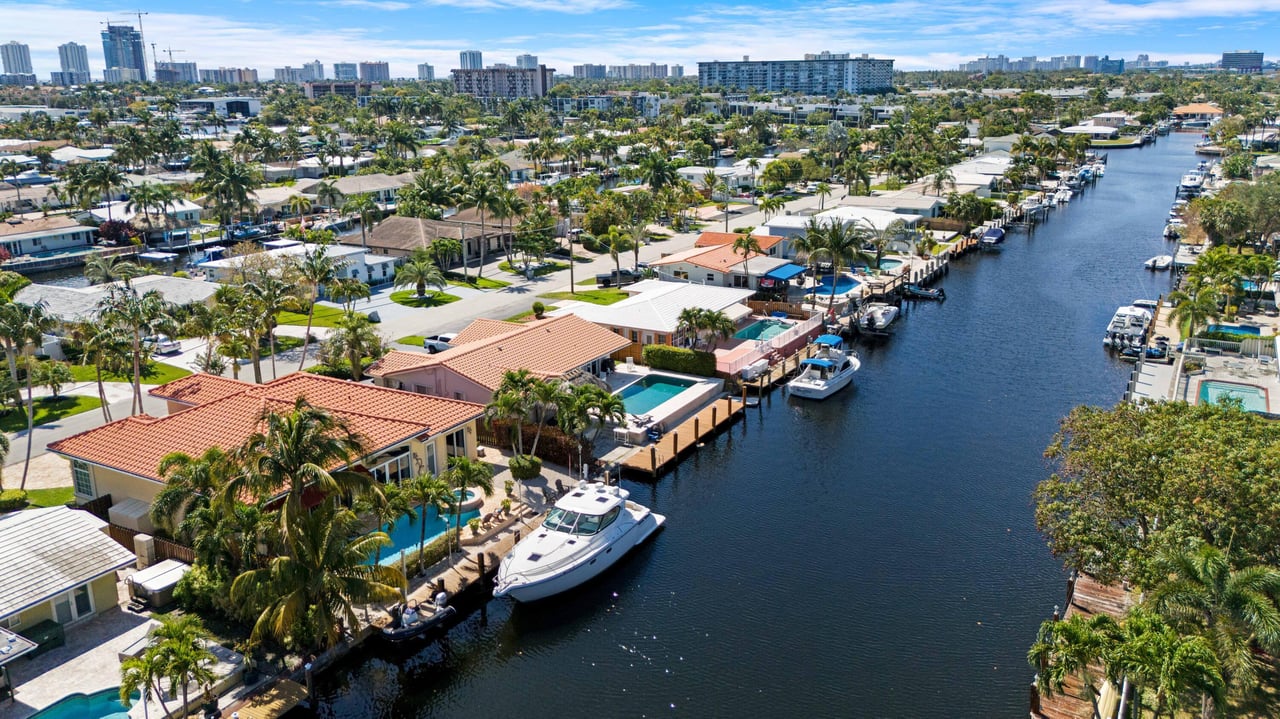
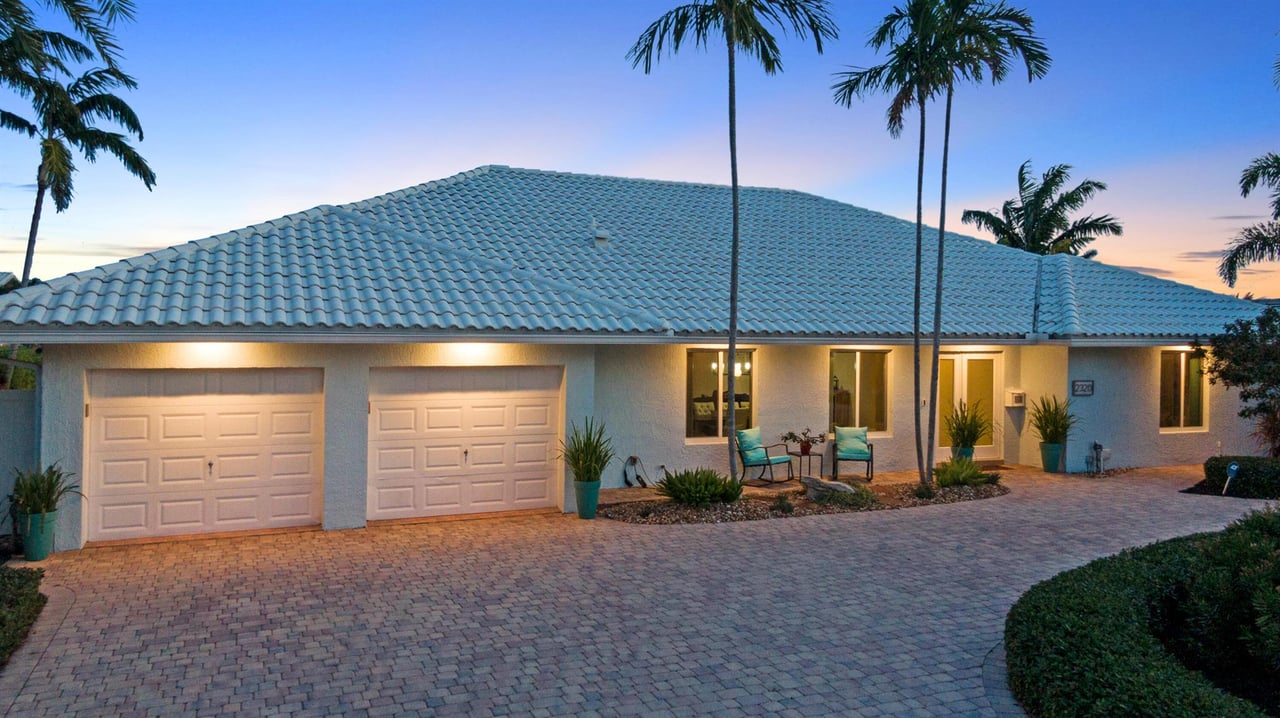
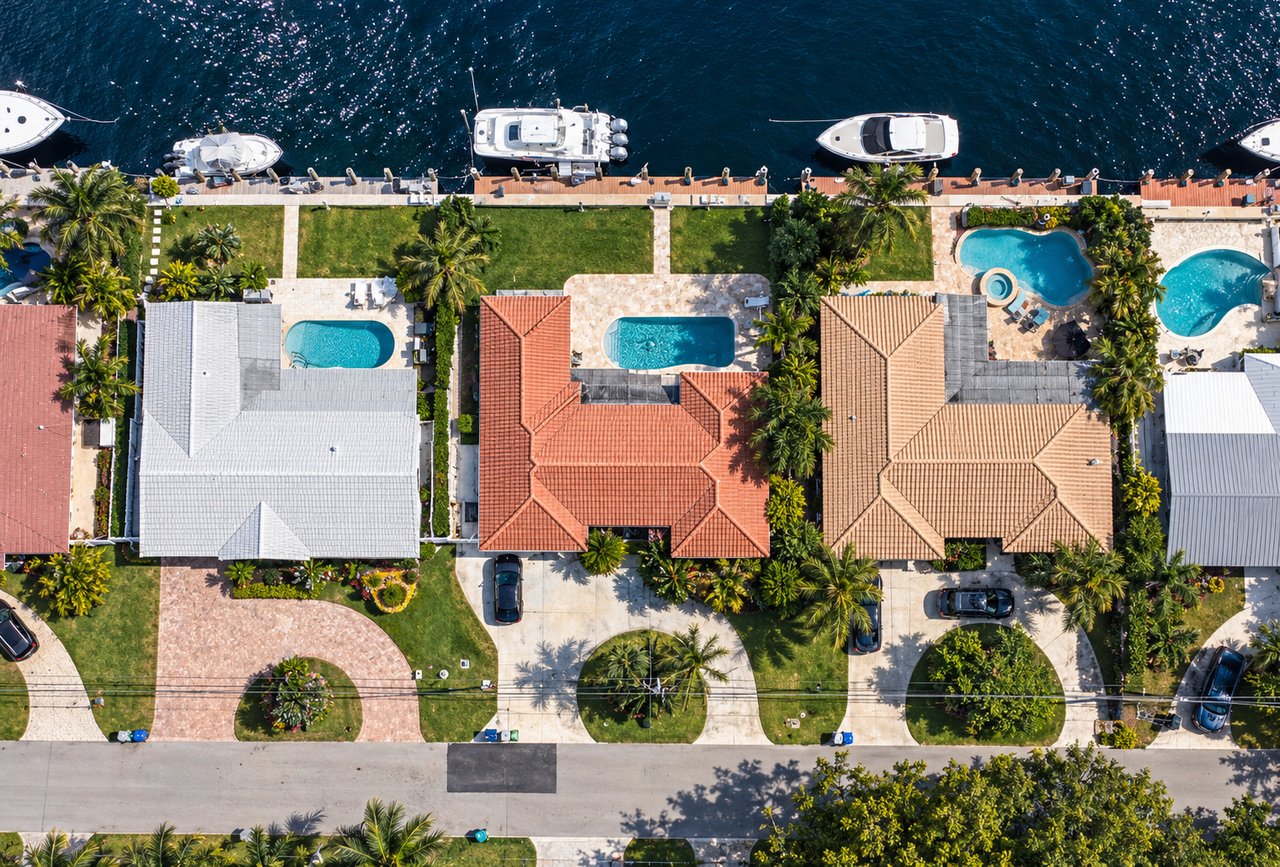
Reaching boating enthusiasts who valued existing dockage and no-fixed-bridge ocean access in Pompano Beach.
Pompano Beach
Every home is unique. Let's build a customized marketing strategy tailored to your goals to maximize your home's value.